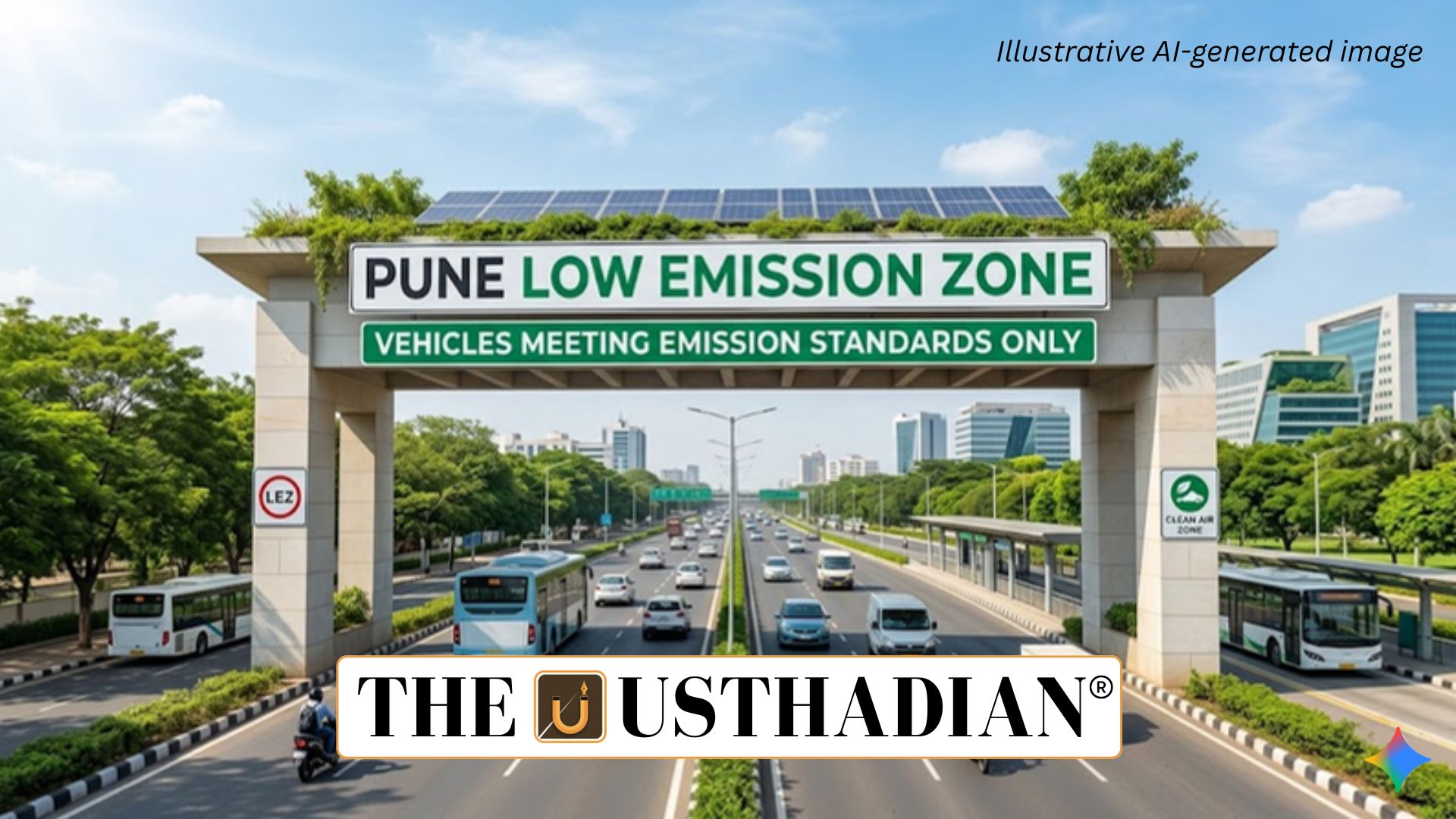
Pune’s Major Urban Pollution Initiative
Pune Moves Towards India’s First Low Emission Zone: Pune is preparing to establish India’s first Low Emission Zone (LEZ) in the Shivajinagar region, one of the city’s busiest commercial areas. The project is being developed by the Pune Municipal Corporation (PMC) with support from ITDP India. The initiative aims to reduce harmful vehicular pollution and improve urban air quality.
The proposal is linked with the Maharashtra Electric Vehicle Policy 2021, which encourages cleaner transportation systems and reduced dependence on polluting fuel vehicles. Officials believe the project can become a model for other Indian cities facing rising pollution levels.
Static GK fact: Pune is located on the banks of the Mula and Mutha rivers in Maharashtra.
What is a Low Emission Zone
A Low Emission Zone is a designated urban area where entry of highly polluting vehicles is restricted or regulated. These zones are widely used in European countries to control emissions from old diesel and petrol vehicles. Restrictions are usually based on vehicle age, emission standards, or pollution charges.
In Pune’s proposal, vehicles using older engine technologies may either face restrictions or be required to pay pollution charges for entering the zone. Authorities expect the first phase to focus on Bharat Stage-III and older vehicles, especially those registered before 2011.
Static GK Tip: Bharat Stage emission standards are implemented by the Government of India to regulate air pollutants from vehicles.
Coverage and Exemptions
The proposed LEZ is expected to cover around 7% to 10% of Pune city around Shivajinagar. The area experiences high traffic density and severe air pollution due to commercial and transport activities.
Certain categories of vehicles are expected to remain exempt from the restrictions. These include autorickshaws, public transport buses, and emergency service vehicles. Authorities believe exemptions are necessary to avoid disruption of essential urban services.
The project may also introduce daily pollution fees for non-compliant vehicles. Higher penalties are expected for those who avoid payment or violate the rules.
Technology-Based Monitoring
The Low Emission Zone is planned to be monitored using Automatic Number Plate Recognition (ANPR) cameras. These systems use optical character recognition technology to identify vehicle registration numbers automatically.
ANPR technology is already used globally for traffic management, toll systems, and law enforcement. In Pune, the system will help authorities track polluting vehicles entering restricted areas and improve enforcement efficiency.
Static GK fact: Optical Character Recognition (OCR) technology converts printed or handwritten text into machine-readable digital data.
Link with National Clean Air Programme
The LEZ initiative is connected to the National Clean Air Programme (NCAP) launched in 2019. NCAP focuses on reducing particulate pollution levels in major Indian cities classified as non-attainment cities.
A 2023 survey showed that nearly 70% of petrol, diesel, and CNG vehicles in Pune and Pimpri-Chinchwad were still operating under Bharat Stage-IV or older standards. This highlighted the need for stricter pollution control measures.
Static Usthadian Current Affairs Table
Pune Moves Towards India’s First Low Emission Zone:
| Topic | Detail |
| Proposed Initiative | Low Emission Zone |
| City | Pune |
| Key Area | Shivajinagar |
| Implementing Body | Pune Municipal Corporation |
| Supporting Organisation | ITDP India |
| Related Policy | Maharashtra EV Policy 2021 |
| Target Vehicles | Bharat Stage-III and older vehicles |
| Monitoring Technology | ANPR Cameras |
| National Programme | National Clean Air Programme |
| NCAP Launch Year | 2019 |