Maharashtra Makes Snakebite Notifiable
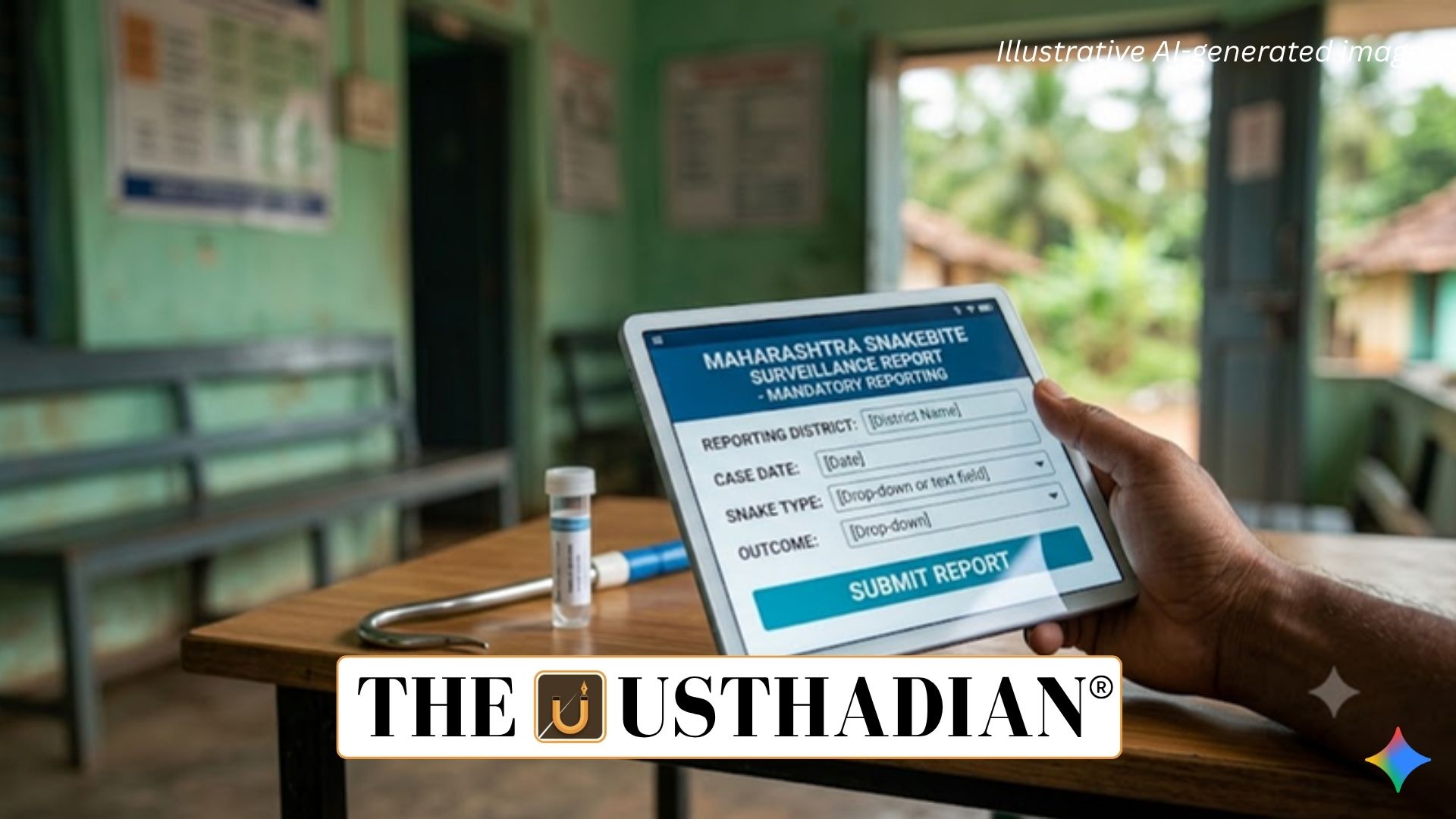
Maharashtra Strengthens Snakebite Surveillance Through Mandatory Reporting: The Maharashtra Government has declared snakebite a notifiable disease, making the reporting of suspected and confirmed cases as well as snakebite-related deaths mandatory. The notification came into effect on 18 August 2026.
The decision aims to strengthen disease surveillance, improve treatment response and help authorities plan the availability of Anti-Snake Venom (ASV) across the state.
Mandatory Reporting Mechanism
Healthcare institutions, hospitals, medical colleges and healthcare professionals must report snakebite cases to the concerned District Health Officer or District Surgeon.
Serious and fatal cases are required to be communicated immediately through available communication systems. Reporting will be carried out through platforms such as the Health Management Information System (HMIS) and Integrated Disease Surveillance Programme (IDSP).
This system is expected to generate more reliable and timely information about the geographical and seasonal distribution of snakebite cases.
State and District Nodal Officers
The notification establishes a reporting structure extending from the state to the district level. At the state level, the Director (Hospitals) will oversee the mechanism.
At the district level, District Surgeons and District Health Officers will serve as nodal authorities. In municipal corporation areas, the Medical Health Officer or Additional Medical Health Officer will perform the corresponding role.
District authorities will also conduct awareness activities covering snakebite prevention, first aid and timely referral.
Focus on Timely Treatment
The state has emphasised the importance of receiving medical care as quickly as possible following a snakebite. Maharashtra Health Minister Prakash Abitkar highlighted the importance of the first 60 minutes, often referred to as the critical “golden hour” in the state’s public-health messaging.
The notification also requires treatment to follow guidelines issued by the Central Government or Maharashtra Government. Better reporting can help authorities estimate demand and maintain adequate stocks of anti-snake venom.
Static GK Tip: Anti-Snake Venom (ASV) is the specific treatment used for systemic effects of venomous snakebites. Its timely availability is an important component of snakebite management.
Gadchiroli Tragedy Highlights the Issue
The decision followed renewed concern after three tribal schoolgirls in Gadchiroli died following venomous snakebites at a residential school.
The incident highlighted the importance of awareness, rapid referral, appropriate treatment and access to essential medical resources, particularly in rural and tribal areas.
Regional Snake Venom Bank
Maharashtra had also considered establishing a regional snake venom bank to strengthen preparedness for snakebite emergencies.
Mandatory notification can provide authorities with better evidence for planning such facilities, allocating ASV supplies and identifying areas requiring greater awareness and healthcare support.
Static GK fact: The Integrated Disease Surveillance Programme (IDSP) is India’s major disease-surveillance mechanism for monitoring outbreaks and strengthening public-health response.
Importance of the Decision
Declaring snakebite notifiable moves the issue from individual medical treatment towards systematic public-health surveillance. Consistent reporting can help Maharashtra identify hotspots, understand disease patterns and improve preparedness.
The measure also supports coordination between hospitals, district authorities and public-health agencies, potentially strengthening prevention, treatment and resource allocation for snakebite cases.
Static Usthadian Current Affairs Table
Maharashtra Strengthens Snakebite Surveillance Through Mandatory Reporting:
| Fact | Detail |
| State | Maharashtra |
| Notifiable disease | Snakebite |
| Notification effective from | 18 August 2026 |
| Reporting requirement | Suspected, confirmed cases and deaths |
| Reporting authorities | District Health Officer or District Surgeon |
| Major reporting systems | HMIS and IDSP |
| State nodal authority | Director (Hospitals) |
| District nodal authorities | District Surgeons and Health Officers |
| Municipal areas | Medical Health Officer or Additional Medical Health Officer |
| Key treatment resource | Anti-Snake Venom |
| Critical treatment period | First 60 minutes |
| Key incident | Three tribal schoolgirls died in Gadchiroli |
| Additional proposal | Regional snake venom bank |