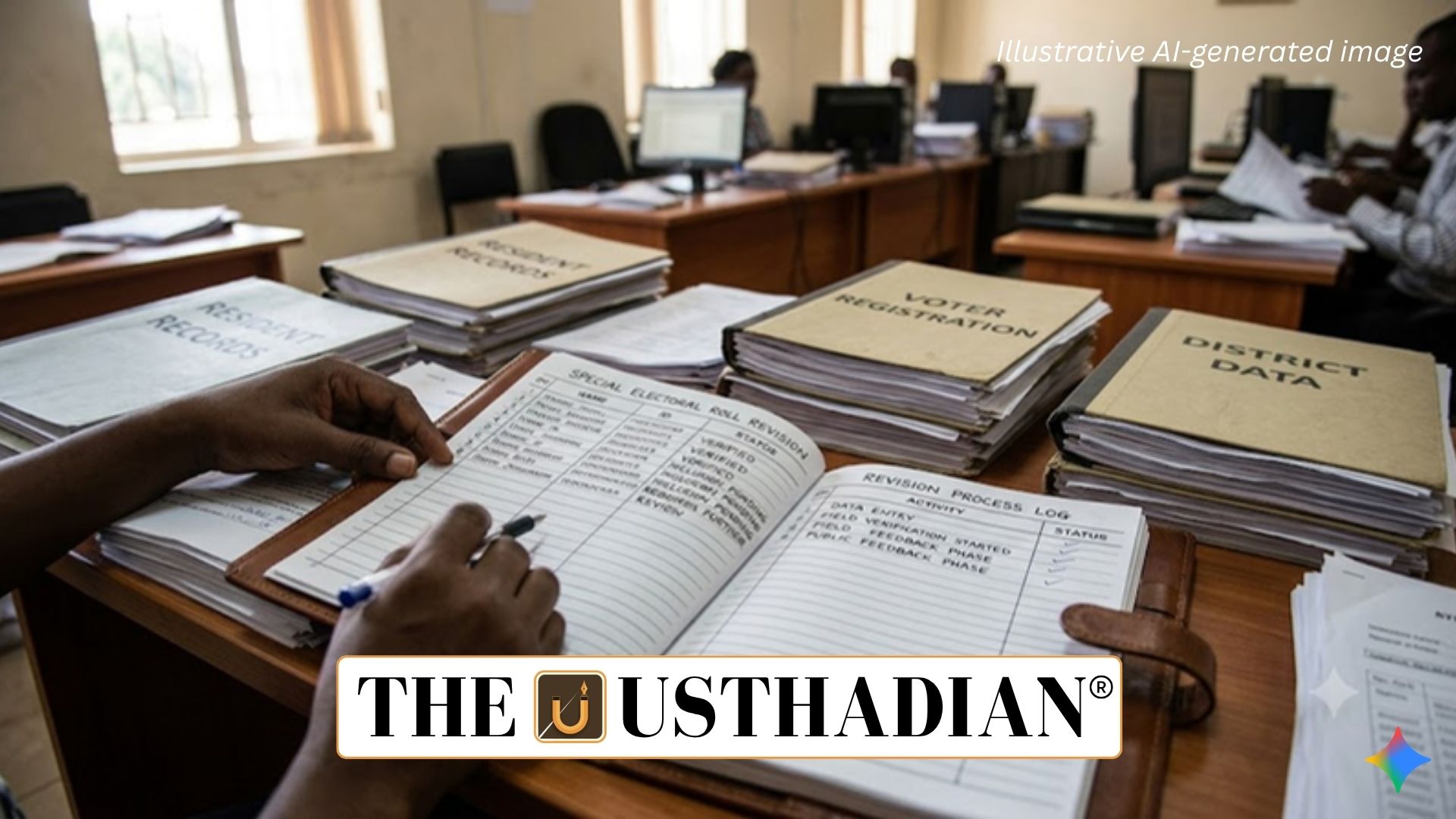
Understanding Special Intensive Revision
Special Intensive Revision of Electoral Rolls Raises Inclusion Concerns: The Special Intensive Revision (SIR) is an exercise undertaken by the Election Commission of India (ECI) to comprehensively verify and update electoral rolls. Its objectives include identifying deceased electors, removing duplicate entries, recording changes of residence and ensuring that eligible citizens are included.
Section 21(3) of the Representation of the People Act, 1950 empowers the ECI to direct a special revision of electoral rolls in a constituency or part of one.
The revision process has attracted scrutiny because of concerns about the verification procedures used during the 2002–04 exercise compared with the 2025–26 revision.
Static GK fact: The Election Commission of India is a constitutional body established under Article 324 of the Constitution, responsible for the superintendence, direction and control of elections to Parliament, state legislatures, and the offices of President and Vice-President.
Procedures Followed During 2002–04
The earlier revision involved household enumeration and multiple levels of supervisory verification.
- Household verification: Enumerators visited households using preliminary electoral rolls.
- Supervisory checks: Supervisors were required to randomly verify at least 25% of households covered by enumerators.
- Higher-level scrutiny: Assistant Electoral Registration Officers (AEROs), Electoral Registration Officers (EROs) and District Election Officers were assigned verification requirements of 12%, 5% and 2%, respectively.
- Treatment of shifted electors: Voters who changed residence were marked with an “S” in preliminary rolls, allowing their cases to be tracked while transfer and deletion procedures were coordinated.
- Claims and objections: Final rolls were to be prepared after claims and objections had been considered.
These procedures aimed to combine comprehensive enumeration with administrative oversight and safeguards against wrongful exclusion.
Concerns Regarding the 2025–26 Revision
The current exercise has raised several procedural concerns, as described in the supplied report.
Possible voter exclusion: Electors unavailable during enumeration or unable to submit forms risked omission from draft rolls. Critics have questioned whether sufficient efforts were made to verify shifted electors and facilitate their enrolment at new addresses.
Reduced supervision: The report states that the supervisor verification requirement in Bihar was reduced to 10%, compared with 25% under the earlier guidelines. Critics argue that lower verification coverage could increase the risk of enumeration errors.
Documentation requirements: Some electors were required to trace their own or their parents’ names in earlier electoral rolls or provide additional documents. This has raised concerns about the burden placed on voters seeking inclusion.
Automated discrepancies: Reported software-generated flags included spelling differences, more than six voters linked to one ancestor and parent-child age gaps outside the 15–45-year range. Such flags require careful human verification before any adverse decision is made.
Bulk objections and appeals: Concerns about bulk objections filed through Form 7 have highlighted the need for safeguards against misuse and timely resolution of disputes. Form 6 is used for applications seeking inclusion in electoral rolls.
Scale and Electoral Implications
According to the supplied report, approximately 13.3 crore voter entries were deleted across the three phases of the current revision. The figure should be interpreted carefully: deletions can include deceased, duplicate, shifted or otherwise ineligible entries, and do not by themselves establish how many eligible voters were wrongly excluded.
The central challenge is to maintain accurate electoral rolls without denying eligible citizens a meaningful opportunity to register and vote.
Reforms for Electoral Integrity
Several measures could improve the process:
- Independent audits: Examine completed revisions to identify procedural errors and wrongful exclusions.
- Door-to-door verification: Ensure adequate household-level checks, especially for disputed cases.
- Stronger supervision: Improve field monitoring and verification of enumeration records.
- Faster re-enrolment: Process eligible applications and appeals promptly.
- Transparent objections: Verify objections carefully and provide affected electors with appropriate notice and an opportunity to respond.
- Timely finalisation: Consider claims and objections before finalising electoral rolls.
The proviso to Section 21(3) also provides for the continued operation of existing electoral rolls in specified circumstances while a special revision is being completed, subject to the statutory conditions.
Static Usthadian Current Affairs Table
Special Intensive Revision of Electoral Rolls Raises Inclusion Concerns:
| Fact | Detail |
| Full form | Special Intensive Revision |
| Conducting authority | Election Commission of India |
| Legal provision | Section 21(3), Representation of the People Act, 1950 |
| Constitutional provision | Article 324 |
| Earlier revision period | 2002–04 |
| Current revision period | 2025–26 |
| Earlier supervisor verification | At least 25% of enumerators’ households |
| Reported Bihar verification level | 10% |
| Form 6 | Application for inclusion in electoral rolls |
| Form 7 | Objection to inclusion or application for deletion, as applicable |
| Reported deletions | Approximately 13.3 crore entries |
| Main reform objective | Accurate electoral rolls with safeguards against wrongful exclusion |