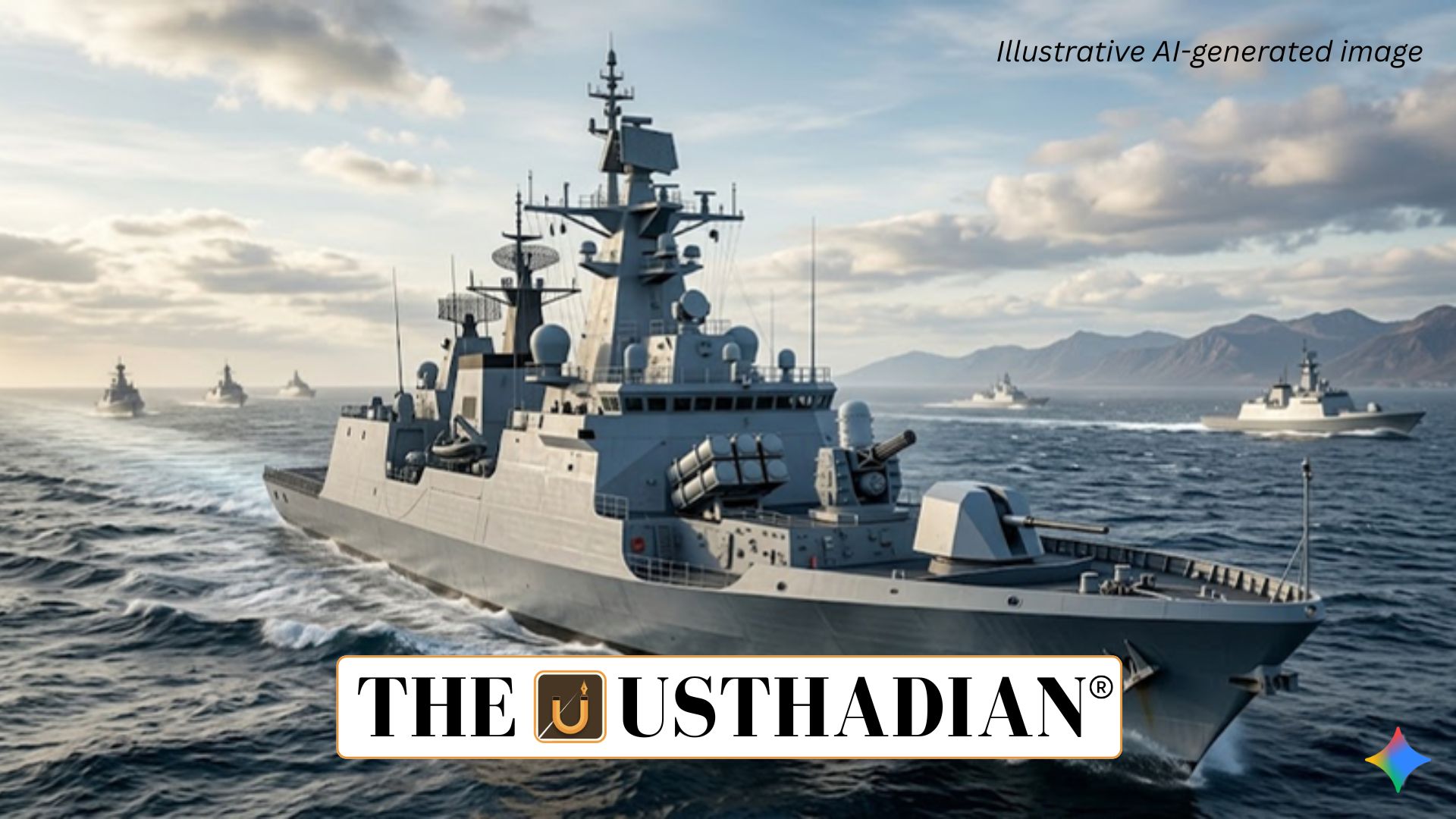
Delivery of Mahendragiri
Project 17A Warships Strengthen India’s Naval Modernisation: The Indian Navy received Mahendragiri, the sixth vessel of the advanced Nilgiri-class stealth frigates under Project 17A. The ship was constructed by Mazagon Dock Shipbuilders Limited (MDSL) in Mumbai and represents another milestone in India’s indigenous warship-building programme.
Mahendragiri is also the fourth Project 17A ship built by MDSL. The other vessels in the class include Nilgiri, Udaygiri, Taragiri, Dunagiri, and Himgiri. These warships are expected to significantly improve India’s maritime defence capabilities.
Static GK fact: Mazagon Dock Shipbuilders Limited is one of India’s leading public-sector shipbuilding companies headquartered in Mumbai.
Features of Project 17A
The Project 17A frigates are advanced multi-role stealth warships designed by the Warship Design Bureau (WDB) of the Indian Navy. The project is supervised by the Warship Overseeing Team (Mumbai) to ensure quality and operational standards.
These ships are upgraded versions of the earlier Shivalik-class (Project 17) frigates. They are equipped with modern stealth technology, reducing radar visibility and improving survivability during naval operations.
The vessels are capable of handling multiple combat roles, including anti-surface warfare, anti-air warfare, and anti-submarine warfare. This makes them highly flexible for modern maritime combat environments.
Advanced Weapon and Sensor Systems
Project 17A ships are fitted with highly sophisticated weapon systems and surveillance equipment. The frigates include advanced radar systems, missile launch platforms, torpedoes, and close-in weapon systems for layered defence.
The ships can detect and engage enemy aircraft, submarines, and hostile surface vessels simultaneously. Their integrated combat management systems improve battlefield awareness and operational coordination.
The advanced sensor suite enhances surveillance across large maritime zones. This capability is important for protecting India’s strategic sea lanes and Exclusive Economic Zone (EEZ).
Static GK Tip: India’s Exclusive Economic Zone extends up to 200 nautical miles from its coastline.
CODOG Propulsion Technology
The frigates use Combined Diesel or Gas (CODOG) propulsion systems. This arrangement combines a diesel engine and a gas turbine for improved operational efficiency and speed flexibility.
Diesel engines are generally used for economical cruising during long-distance operations, while gas turbines provide higher speed during combat or emergency missions. This combination improves fuel efficiency and operational readiness.
The propulsion technology allows the ships to undertake long-duration deployments in the Indian Ocean Region and beyond.
Importance for India’s Maritime Security
The induction of Project 17A frigates strengthens India’s efforts toward naval modernisation and self-reliance in defence manufacturing. The project also supports the national vision of Aatmanirbhar Bharat in the strategic defence sector.
These stealth warships are expected to enhance India’s ability to safeguard maritime trade routes, monitor regional security challenges, and respond to emerging threats in the Indo-Pacific region.
The project demonstrates India’s growing expertise in indigenous warship design and advanced naval engineering.
Static Usthadian Current Affairs Table
Project 17A Warships Strengthen India’s Naval Modernisation:
| Topic | Detail |
| Latest Delivered Ship | Mahendragiri |
| Project Name | Project 17A |
| Ship Class | Nilgiri-class stealth frigates |
| Shipbuilder | Mazagon Dock Shipbuilders Limited |
| Designed By | Warship Design Bureau |
| Previous Class | Shivalik-class (Project 17) |
| Main Warfare Roles | Anti-air, anti-surface, anti-submarine |
| Propulsion System | Combined Diesel or Gas (CODOG) |
| Strategic Objective | Naval modernisation and maritime security |
| Important Maritime Region | Indo-Pacific Region |