Cultural Significance
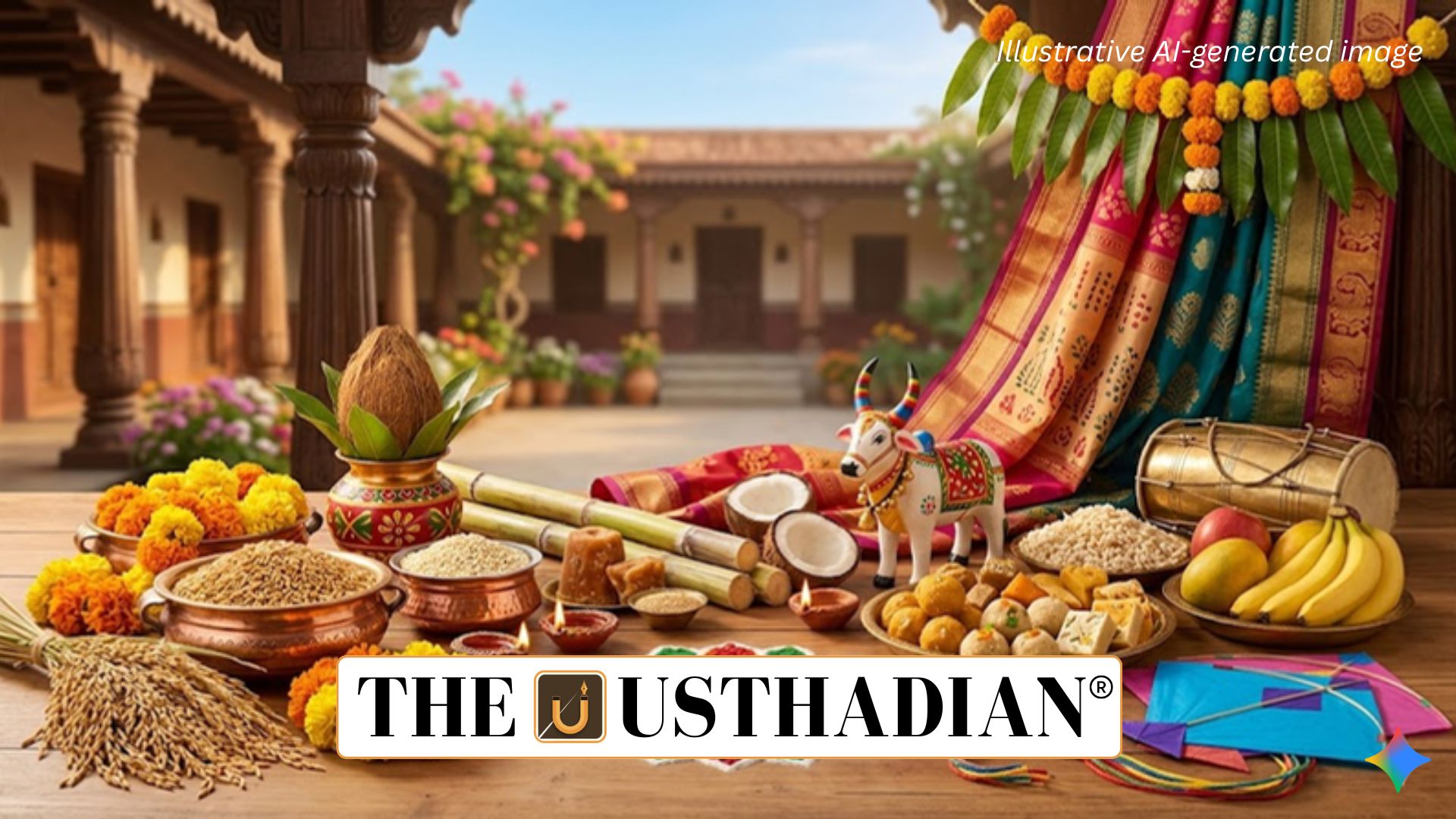
Harvest Festivals and New Year Traditions in India: India celebrates a wide range of harvest festivals and regional new years, reflecting its deep agricultural roots. These festivals mark the end of harvest seasons and the beginning of new agricultural cycles.
Recently, the President of India and Vice President of India extended greetings across the country, highlighting unity in diversity. These celebrations are closely tied to nature, seasons, and local traditions.
Static GK fact: India follows both solar and lunar calendars, which is why New Year dates vary across regions.
Northern India Celebrations
Baisakhi, celebrated in Punjab and Haryana, marks the wheat harvest season. It is also historically significant as it commemorates the formation of the Khalsa Panth in 1699 by Guru Gobind Singh.
The festival includes vibrant dances like Bhangra and Gidda, reflecting agrarian joy and prosperity.
Static GK Tip: Punjab is known as the “Granary of India” due to its high wheat production.
Eastern and Northeastern Traditions
Bohag Bihu is the Assamese New Year and one of the most important festivals in Assam. It celebrates the onset of the agricultural season with music, dance, and feasts.
In West Bengal, Poila Boishakh marks the Bengali New Year. It is observed with cultural programs and traditional business rituals like opening new account books.
Pana Sankranti is celebrated in Odisha, symbolizing the solar transition and beginning of a new year.
In Manipur, Cheiraoba marks the lunar new year, where families clean homes and prepare festive meals.
Static GK fact: Assam is famous for its tea production and hosts the world’s largest tea-growing region.
Southern India Festivals
In Tamil Nadu, Meshadi Puthandu is celebrated as the Tamil New Year. It involves special dishes like mango pachadi, symbolizing different life emotions.
Vishu, celebrated in Kerala, marks the Malayali New Year. The ritual of Vishukkani, viewing auspicious items early morning, is considered important.
These festivals follow the solar calendar, aligning with the sun’s transition into the zodiac sign of Aries (Mesha).
Static GK Tip: Kerala has the highest literacy rate in India and follows many unique cultural traditions.
Unity in Diversity
Though names and rituals differ, all these festivals share a common theme of gratitude to nature and agricultural prosperity. They reinforce social bonds and cultural identity.
Government leaders extending greetings on these occasions emphasizes national integration and respect for regional traditions.
Contemporary Relevance
These festivals also boost tourism and local economies through fairs, handicrafts, and traditional markets. They preserve India’s intangible cultural heritage.
With urbanization, efforts are being made to keep these traditions alive among younger generations.
Static Usthadian Current Affairs Table
Harvest Festivals and New Year Traditions in India:
| Topic | Detail |
| Festival Type | Harvest and regional New Year celebrations |
| Key Regions | Punjab, Assam, Tamil Nadu, Kerala, Odisha, Manipur, West Bengal |
| Important Festivals | Baisakhi, Bohag Bihu, Vishu, Puthandu, Poila Boishakh |
| Agricultural Link | Marks harvest season and new crop cycle |
| Calendar Basis | Solar and lunar calendars |
| Cultural Activities | Dance, feasts, rituals, family gatherings |
| Government Role | President and Vice President extend greetings |
| Historical Aspect | Baisakhi linked to Khalsa formation |
| Economic Impact | Boosts tourism and local markets |
| Social Importance | Promotes unity in diversity |