Policy vision and objectives
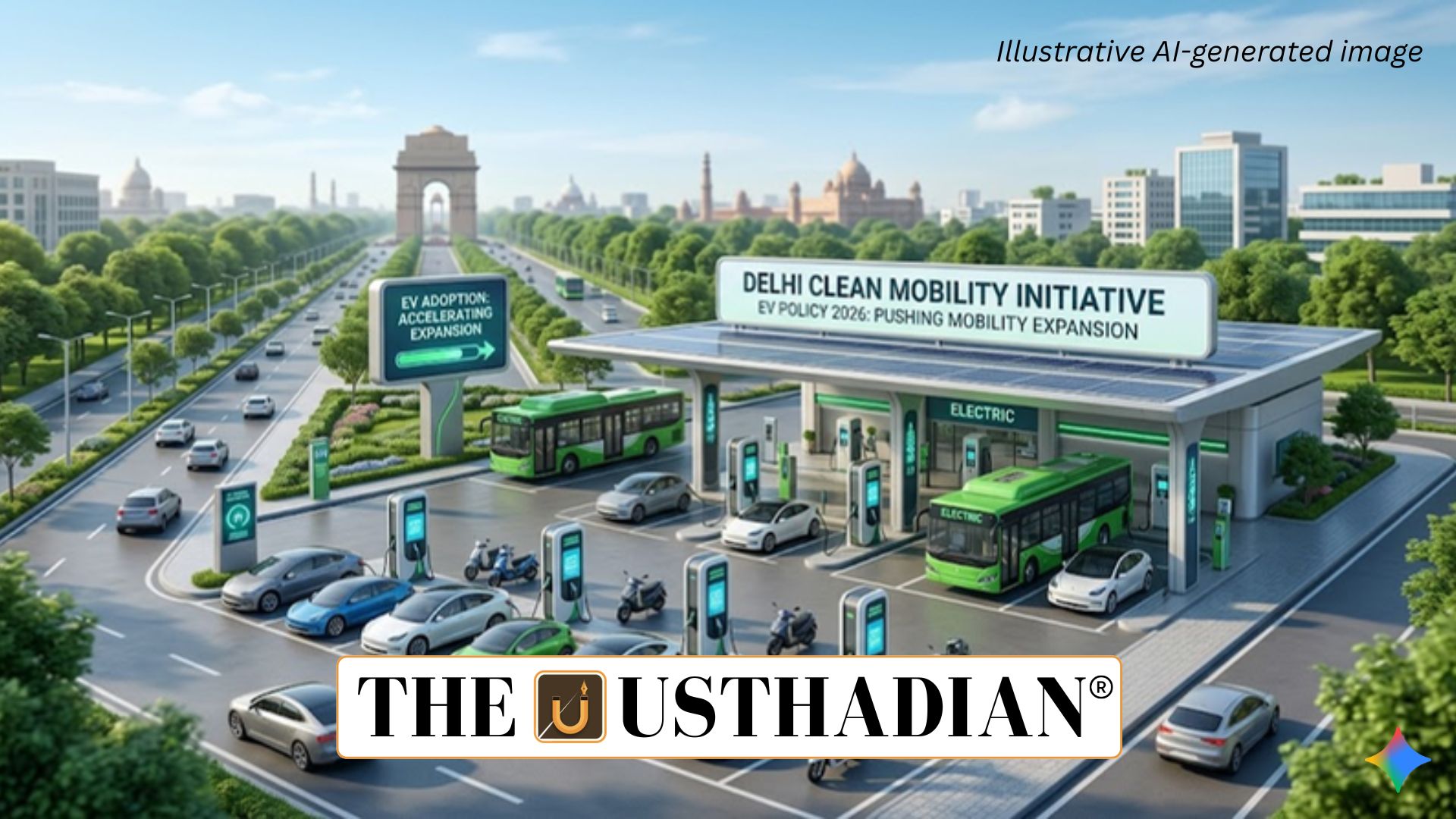
Delhi EV Policy 2026 Pushes Clean Mobility Expansion: The Delhi Government has introduced the draft Delhi EV Policy 2026–2030 to accelerate adoption of electric vehicles and reduce rising urban pollution. The policy focuses on affordability, infrastructure expansion, and regulatory shifts. It aims to strengthen the capital’s transition towards clean mobility systems.
The draft is open for public feedback for 30 days, ensuring participatory governance. The policy builds on earlier efforts to reduce dependence on fossil fuels.
Static GK fact: Delhi is India’s largest urban agglomeration facing severe air pollution challenges due to vehicular emissions.
Tax exemptions for electric cars
A major highlight is the 100% exemption on road tax and registration fees for electric cars priced up to ₹30 lakh. This benefit is applicable until March 31, 2030, making EVs more accessible to middle-income buyers.
However, EVs priced above ₹30 lakh are excluded from these incentives. This targeted approach promotes mass adoption rather than subsidizing luxury vehicles.
Static GK Tip: Road tax is a state-level levy, forming a significant portion of vehicle ownership costs.
Incentives for hybrid vehicles
The policy proposes a 50% tax exemption for strong hybrid vehicles. This reflects a transitional strategy, encouraging users to shift gradually towards fully electric mobility.
Hybrids act as a bridge technology, reducing fuel consumption while maintaining conventional engine support. This approach helps address consumer hesitation regarding charging infrastructure.
Static GK fact: Hybrid vehicles combine internal combustion engines with electric propulsion systems for better fuel efficiency.
Mandatory electrification of three wheelers
A key regulatory measure mandates that from January 1, 2027, only electric three-wheelers will be eligible for new registrations. This targets one of the most polluting segments in urban transport.
Three-wheelers are widely used for passenger and goods movement in Delhi. Electrifying this segment is expected to significantly reduce emissions and improve air quality.
Static GK fact: Three-wheelers form a major share of India’s last-mile connectivity ecosystem.
Policy continuity and environmental impact
The new draft builds upon the earlier Delhi EV Policy 2020, which was introduced to combat air pollution and promote sustainable transport. The updated policy extends the vision with stronger incentives and clearer targets.
It aligns with India’s broader goals of reducing carbon emissions and promoting renewable energy adoption. The policy also aims to create a robust EV ecosystem including charging infrastructure and manufacturing support.
Static GK Tip: India aims to achieve net zero emissions by 2070, emphasizing clean energy transitions.
Static Usthadian Current Affairs Table
Delhi EV Policy 2026 Pushes Clean Mobility Expansion:
| Topic | Detail |
| Policy Name | Delhi EV Policy 2026–2030 |
| Key Incentive | 100% tax exemption for EVs up to ₹30 lakh |
| Hybrid Benefit | 50% tax exemption for strong hybrids |
| Major Regulation | Only electric three-wheelers from Jan 2027 |
| Previous Policy | Delhi EV Policy launched in 2020 |
| Objective | Reduce pollution and promote clean mobility |
| Validity | Till March 31, 2030 |
| Target Area | Urban transport electrification |