New milestone in malaria treatment
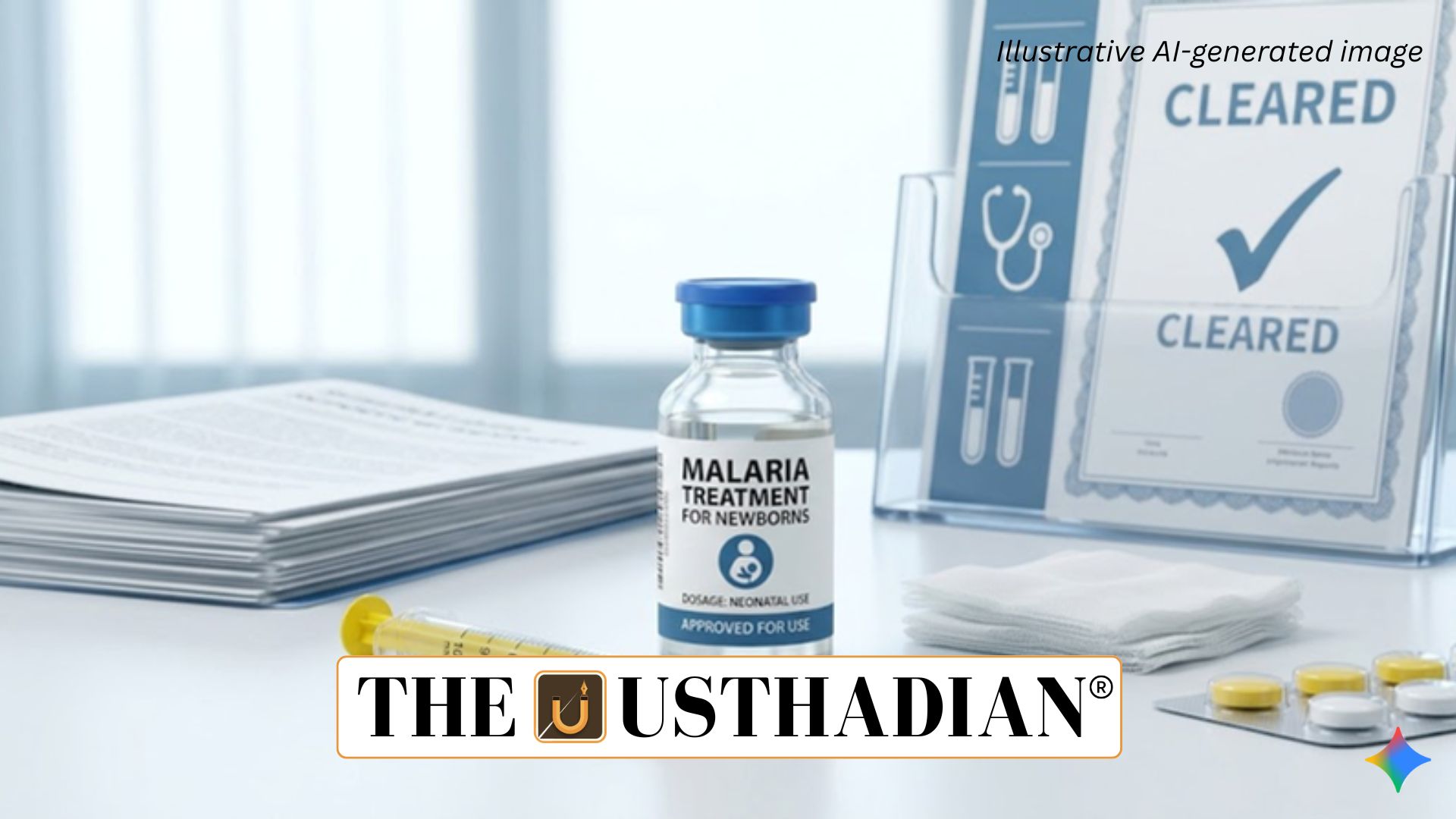
WHO Clears First Malaria Drug for Newborns: The World Health Organization (WHO) has granted prequalification approval to the first malaria drug specifically designed for newborns and infants. This marks a major advancement in reducing infant mortality caused by malaria, especially in Sub-Saharan Africa.
The drug, artemether-lumefantrine, is a combination therapy tailored for younger age groups. Earlier, infants were treated with medicines designed for older children, increasing risks of incorrect dosage and toxicity.
Why this drug is significant
This new formulation ensures accurate dosing, improved safety, and higher effectiveness in treating malaria among infants. It addresses a long-standing gap in pediatric healthcare where newborns lacked age-appropriate antimalarial drugs.
Static GK fact: Artemisinin-based Combination Therapy (ACT) is the globally recommended treatment for uncomplicated malaria.
The introduction of infant-specific treatment is expected to significantly reduce complications and deaths among children under five years, who remain the most vulnerable group.
Role of WHO prequalification
The WHO prequalification programme verifies that medicines meet global standards of quality, safety, and efficacy. This approval allows governments and international agencies to procure and distribute the drug in public healthcare systems.
It is particularly useful for countries with weak regulatory systems, ensuring access to safe and effective medicines.
Static GK Tip: WHO is headquartered in Geneva, Switzerland, and was established in 1948.
Global malaria burden remains high
Malaria continues to be a major public health issue. In 2024, there were around 282 million cases and 610,000 deaths reported globally across 80 countries.
Africa accounts for nearly 95% of all malaria cases and deaths. Children under five contribute to almost 75% of total malaria deaths, highlighting the urgency of improved treatment options.
Static GK fact: Malaria is caused by Plasmodium parasites and transmitted through the bite of infected female Anopheles mosquitoes.
Challenges in malaria elimination
Despite progress, several challenges persist. These include rising drug resistance, insecticide resistance, gaps in diagnostic tools, and reduced global funding.
However, innovations like malaria vaccines, improved mosquito nets, and now infant-specific drugs are strengthening the fight against the disease.
WHO emphasizes that eliminating malaria is achievable, but requires strong political commitment and sustained investments.
Static Usthadian Current Affairs Table
WHO Clears First Malaria Drug for Newborns:
| Topic | Detail |
| Organization | World Health Organization (WHO) |
| Drug Approved | Artemether-lumefantrine |
| Target Group | Newborns and infants |
| Global Cases 2024 | 282 million |
| Global Deaths 2024 | 610,000 |
| Most Affected Region | Sub-Saharan Africa |
| Transmission | Female Anopheles mosquito |
| Cause | Plasmodium parasite |
| Key Challenge | Drug and insecticide resistance |
| WHO HQ | Geneva, Switzerland |