Constitutional Basis of Road Safety
Safe Travel on National Highways as a Fundamental Right: The Supreme Court of India has declared that safe travel on National Highways is an integral part of Article 21, which guarantees the Right to Life and Personal Liberty. This expands the scope of Article 21 beyond mere survival to include safe mobility.
The Court clarified that unsafe road conditions, illegal parking, and encroachments violate citizens’ fundamental rights. It emphasized that ensuring road safety is a constitutional duty of the State, not just an administrative task.
Static GK fact: Article 21 is part of Part III of the Indian Constitution, dealing with Fundamental Rights.
Rising Concerns over Highway Accidents
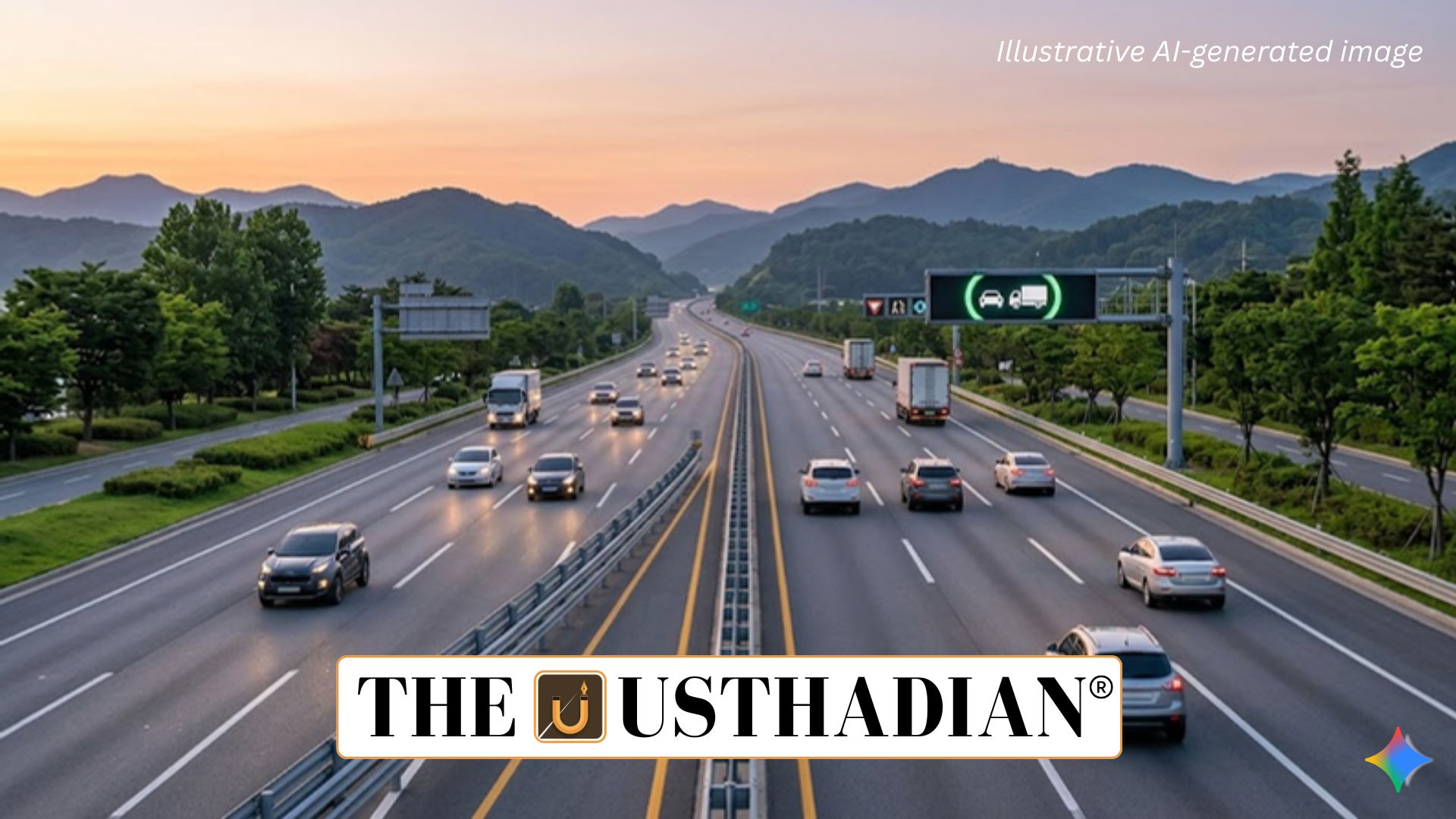
The Court highlighted alarming statistics regarding highway safety in India. Although National Highways constitute only about 2% of the total road network, they contribute to nearly 30% of road accident deaths.
This disproportionate share reflects poor enforcement and infrastructure gaps. The Court noted that high-speed corridors must not become accident-prone zones due to negligence.
Static GK Tip: India has one of the largest road networks in the world, exceeding 6 million kilometres.
Strict Action Against Encroachments
The judgment strictly banned unauthorised dhabas, eateries, and roadside structures on highway land, particularly within the Right of Way (ROW). These encroachments obstruct visibility and increase accident risks.
The Court directed authorities to remove all illegal structures and prevent future permissions without approval from the National Highways Authority of India (NHAI). This step aims to ensure smoother traffic movement and safer highways.
Static GK fact: NHAI was established in 1988 under the Ministry of Road Transport and Highways.
Regulation of Parking and Traffic Management
To address accident risks, the Court prohibited the parking of heavy and commercial vehicles on highways, except in designated areas like truck lay-bys. Illegal roadside parking has been identified as a major cause of accidents.
The judgment also recommended the use of Automated Traffic Management Systems, drones, and regular patrols for monitoring highways. These measures aim to improve enforcement efficiency and real-time surveillance.
Static GK Tip: The Motor Vehicles Act, 1988 governs road safety and traffic regulations in India.
Strengthening Emergency Response Systems
The Court stressed the need for robust emergency infrastructure along highways. It directed the placement of ambulances, cranes, and rescue teams at regular intervals for quick accident response.
Additionally, District-level Highway Safety Task Forces have been mandated to monitor compliance and ensure coordination among agencies. Faster response time can significantly reduce fatalities during accidents.
Static GK fact: India observes National Road Safety Month every year to promote awareness and reduce accidents.
Significance of the Judgment
This ruling marks a significant expansion of Article 21, linking it directly to public infrastructure safety. It reinforces that the State is accountable for preventing avoidable deaths caused by negligence.
The judgment also strengthens legal backing for future road safety reforms and enhances coordination between central and state authorities. It sets a precedent for treating road safety as a fundamental right, not a policy choice.
Static Usthadian Current Affairs Table
Safe Travel on National Highways as a Fundamental Right:
| Topic | Detail |
| Constitutional Provision | Article 21 guarantees Right to Life and Personal Liberty |
| Key Institution | National Highways Authority of India (NHAI) |
| Highway Statistics | 2% road length accounts for nearly 30% fatalities |
| Supreme Court Action | Recognised safe travel as part of Article 21 |
| Encroachment Rule | Ban on unauthorised dhabas and structures on ROW |
| Parking Regulation | Heavy vehicles allowed only in designated bays |
| Technology Use | Drones and automated traffic systems recommended |
| Emergency Measures | Ambulances and rescue teams at regular intervals |
| Monitoring Body | District Highway Safety Task Forces |
| Legal Impact | Strengthens road safety as a constitutional obligation |