Ladakh hosts sacred exposition
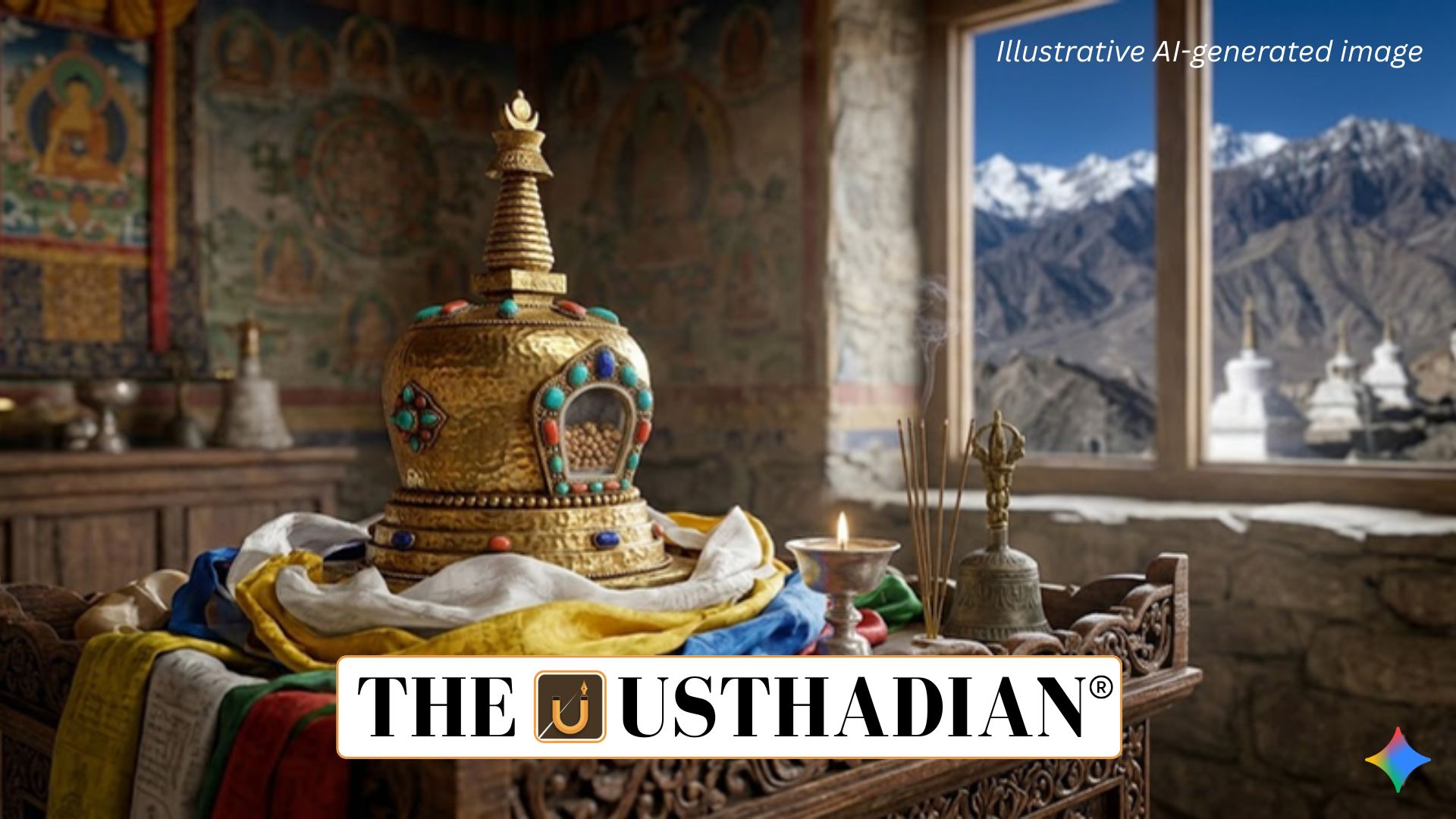
Tathagata Relics of Lord Buddha in Ladakh: A significant exposition of Tathagata relics of Lord Buddha is scheduled to take place in Ladakh, drawing attention from devotees and scholars. Such events promote Buddhist cultural heritage and reinforce spiritual values of peace and compassion.
The region of Ladakh, known for its deep-rooted Buddhist traditions, serves as an ideal location for this sacred display. Monasteries and followers consider such expositions a rare opportunity to connect with the teachings of Buddha.
Static GK fact: Ladakh became a Union Territory of India in 2019 after being separated from Jammu and Kashmir.
Meaning of Tathagata
The term Tathagata was used by Gautama Buddha (Sakyamuni) to refer to himself in the Tripitaka of the Pali Canon. It signifies a deeper philosophical identity rather than a personal name.
It is often translated as “the one thus-come” or “the one thus-gone,” indicating a being who has transcended worldly cycles. This concept reflects the attainment of enlightenment (Nirvana) beyond birth and death.
Static GK Tip: The Pali Canon is the earliest collection of Buddhist scriptures and is central to Theravada Buddhism.
Significance of Tathagata relics
Tathagata relics represent the physical remains of Buddha or sacred objects associated with him. These relics are preserved in stupas and monasteries, symbolizing devotion and continuity of faith.
They hold immense spiritual importance, as devotees believe they carry the presence and blessings of Buddha. Historically, relics were distributed across regions to spread Buddhist teachings and ensure unity among followers.
The reverence for relics also promotes ideals of peace, non-violence, and protection from conflict, aligning with Buddha’s teachings.
Static GK fact: The Great Stupa at Sanchi, built by Emperor Ashoka, is one of the most famous relic monuments in India.
Role in Mahayana and Vajrayana traditions
In Mahayana Buddhism, the concept of Tathagata plays a crucial role in understanding spiritual lineages. It is linked to two types of transmission: textual transmission and realization transmission.
Textual transmission refers to the preservation of teachings through scriptures, while realization transmission involves direct spiritual experience and enlightenment. Both are essential for maintaining doctrinal continuity.
In Vajrayana Buddhism, followed widely in regions like Ladakh, relics and the concept of Tathagata are integrated into rituals and advanced spiritual practices. These traditions emphasize a deeper connection between teacher and disciple.
Static GK Tip: Vajrayana Buddhism is also known as the “Diamond Vehicle” and is prominent in Tibet, Bhutan, and Ladakh.
Cultural and spiritual relevance
The exposition of Tathagata relics in Ladakh highlights India’s role as the birthplace of Buddhism. It strengthens cultural ties and promotes religious tourism in the Himalayan region.
Such events also encourage global recognition of India’s spiritual heritage and foster interfaith harmony. The display of relics continues to inspire millions towards the path of wisdom and compassion.
Static Usthadian Current Affairs Table
Tathagata Relics of Lord Buddha in Ladakh:
| Topic | Detail |
| Event | Exposition of Tathagata relics in Ladakh |
| Tathagata Meaning | “The one thus-come” or “thus-gone” |
| Source Text | Tripitaka of Pali Canon |
| Religious Importance | Symbolizes physical remains and spiritual presence |
| Key Traditions | Mahayana and Vajrayana Buddhism |
| Transmission Types | Textual and realization transmission |
| Location Significance | Ladakh as a major Buddhist region |
| Historical Fact | Sanchi Stupa built by Ashoka |