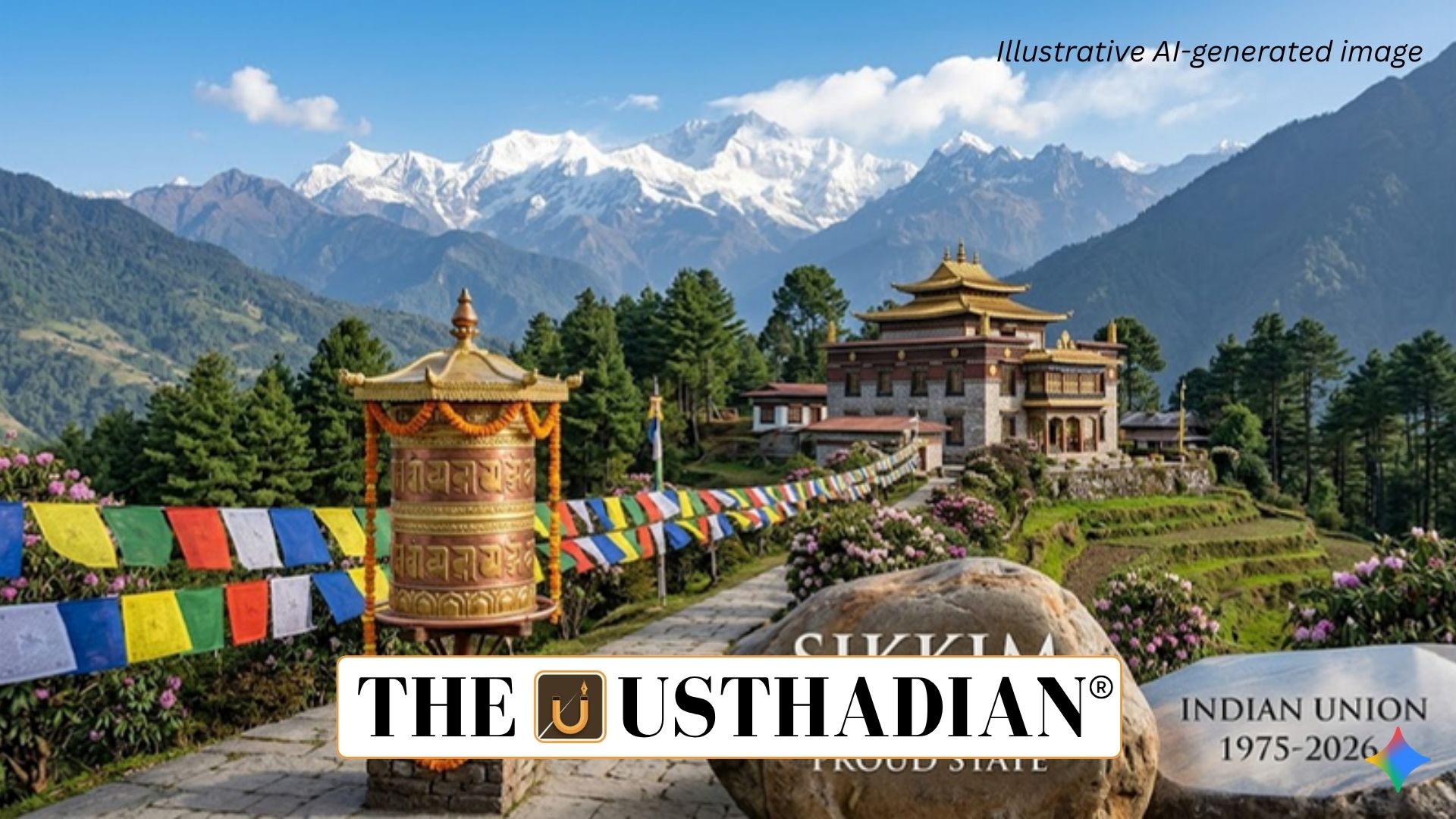
Celebrating Sikkim Statehood Day
Sikkim Marks 51 Years as a Proud State of the Indian Union: Sikkim Statehood Day is observed every year on 16 May to commemorate the state’s historic integration into the Republic of India. In 2026, Sikkim celebrates 51 years of statehood, marking an important milestone in its democratic and constitutional journey.
The occasion honours Sikkim’s peaceful transition from a Himalayan kingdom to a full-fledged Indian state. Across the state, the day is celebrated through official functions, cultural performances, educational programmes, and public events.
Static GK fact: Sikkim became the 22nd State of India on 16 May 1975 after the enactment of the 36th Constitutional Amendment Act, 1975.
Sikkim Before Integration
Before joining India, Sikkim functioned as an independent Himalayan kingdom ruled by the Chogyal under the Namgyal dynasty, which was established during the 17th century. The kingdom developed strong cultural and religious ties with Tibetan Buddhism, making monasteries central to its heritage.
Sikkim’s society has long been shaped by the Lepcha, Bhutia, and Nepali communities. Their traditions, languages, and customs continue to form the foundation of the state’s rich cultural identity.
Static GK Tip: The Lepchas are regarded as the indigenous inhabitants of Sikkim and are one of the state’s recognised Scheduled Tribes.
How Sikkim Became Part of India
During the early 1970s, demands for democratic governance and greater political representation gained momentum in Sikkim. Public discussions focused on electoral reforms, administrative accountability, and the future political status of the kingdom.
A referendum held in 1975 resulted in overwhelming public support for abolishing the monarchy and integrating Sikkim with India. Following the referendum, Parliament passed the 36th Constitutional Amendment Act, 1975, officially making Sikkim the 22nd state of India on 16 May 1975.
Importance of Statehood Day
Sikkim Statehood Day symbolises the success of democratic decision-making and peaceful political integration. It highlights the strengthening of India’s federal structure while preserving the unique traditions and identity of one of its most culturally diverse Himalayan states.
The observance also serves as an opportunity to educate younger generations about Sikkim’s constitutional history, democratic evolution, and contribution to national unity.
Cultural Heritage of Sikkim
Sikkim is renowned for its remarkable cultural diversity and religious harmony. Languages such as Nepali, Bhutia, Lepcha, Hindi, and English are widely spoken across the state.
Festivals including Losar, Saga Dawa, Pang Lhabsol, Dasain, and Tihar are celebrated with great enthusiasm. Historic monasteries such as Rumtek Monastery and Pemayangtse Monastery remain important centres of Buddhist learning and tourism.
Static GK fact: Sikkim became India’s first fully organic state in 2016 after completely adopting organic farming practices.
Interesting Facts About Sikkim
Sikkim is India’s second smallest state by area and is home to Kangchenjunga, the third-highest mountain in the world. The state is internationally recognised for its rich biodiversity, sustainable environmental practices, and eco-friendly development model.
The state continues to play an important role in promoting environmental conservation, sustainable tourism, and preservation of India’s Himalayan heritage.
Static Usthadian Current Affairs Table
Sikkim Marks 51 Years as a Proud State of the Indian Union:
| Fact | Detail |
| Occasion | Sikkim Statehood Day 2026 |
| Date observed | 16 May |
| Statehood completed | 51 Years |
| Statehood year | 1975 |
| Constitutional provision | 36th Constitutional Amendment Act, 1975 |
| Position in India | 22nd State |
| Former ruling dynasty | Namgyal Dynasty |
| Indigenous community | Lepcha |
| India’s first fully organic state | Sikkim (2016) |
| Highest peak in the state | Kangchenjunga (World’s third-highest mountain) |