Navratri and Its Religious Significance
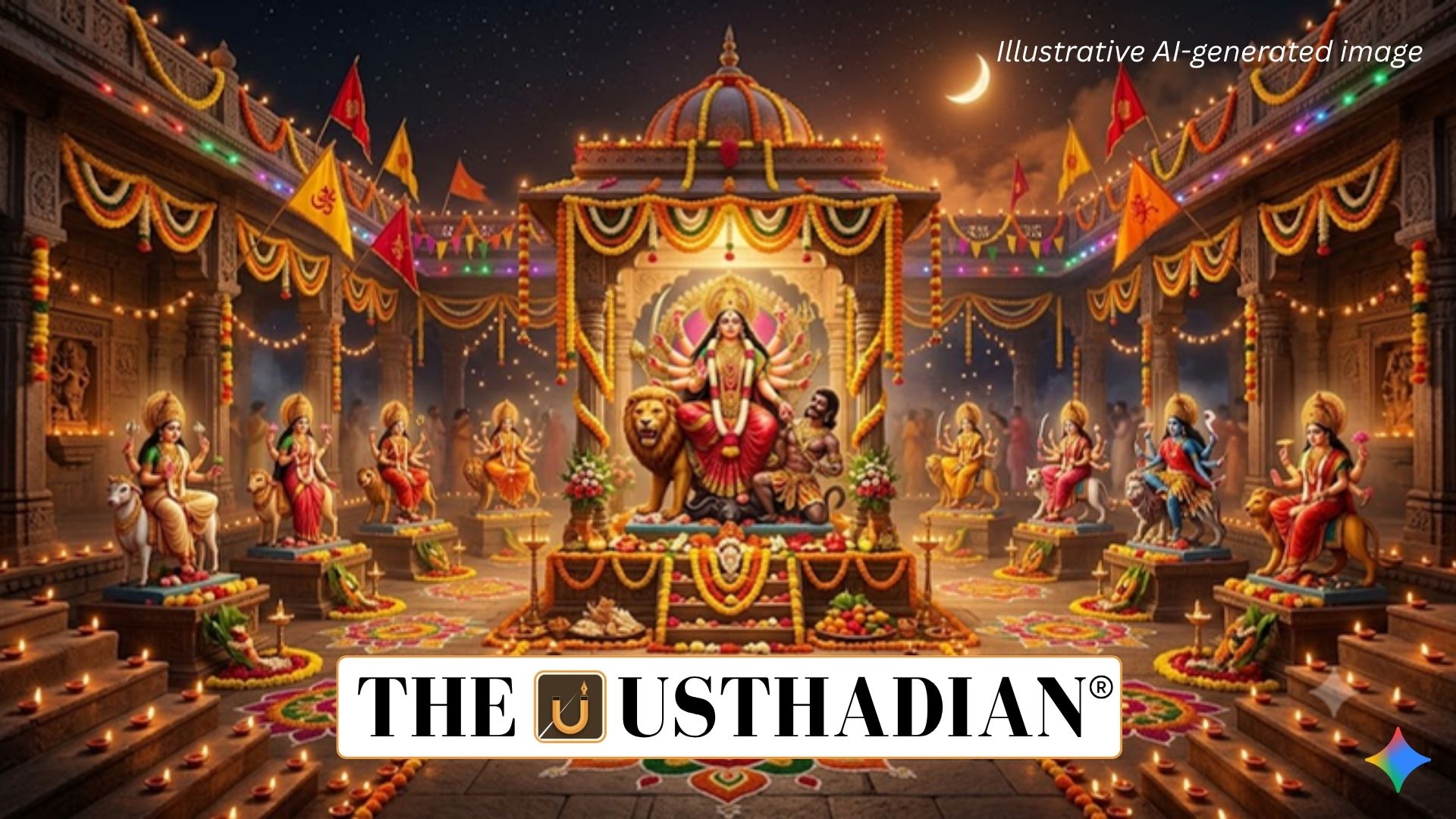
Sharad Navratri 2026 Celebrates the Nine Forms of Goddess Durga: Sharad Navratri is a major Hindu festival dedicated to Goddess Durga and her nine manifestations, collectively known as the Navadurga. In 2026, the supplied calendar places the festival from 11 October to 20 October, concluding with Vijayadashami or Dussehra.
The word Navratri comes from two Sanskrit words: nava, meaning nine, and ratri, meaning night. The festival celebrates Shakti, the divine feminine energy associated with creation, protection and the destruction of evil.
Sharad Navratri falls during the Hindu lunar month of Ashvin, generally corresponding to September or October. Festival dates vary annually according to the lunar calendar and regional traditions.
Static GK fact: Four principal Navratris are observed during the year—Chaitra, Ashadha, Sharad (Ashvin) and Magha Navratri. Sharad Navratri is widely celebrated across India during autumn.
Important Dates of Navratri 2026
| Occasion | Date |
| Mahalaya | 10 October 2026 |
| Sharad Navratri begins and Ghatasthapana | 11 October 2026 |
| Maha Ashtami | 18 October 2026 |
| Maha Navami | 19 October 2026 |
| Vijayadashami or Dussehra | 20 October 2026 |
Regional observances may differ according to local Panchang calculations. The dates above follow the calendar provided in the supplied material.
Ghatasthapana and Mahalaya
Ghatasthapana marks the beginning of Sharad Navratri. A sacred pot, or kalash, is installed as part of the ritual to invoke divine blessings and commence worship.
Mahalaya holds particular importance in West Bengal. It marks the transition from Pitru Paksha, associated with ancestral observances, to Devi Paksha, dedicated to the Goddess. It also signals the approaching celebration of Durga Puja.
Nine Forms of Goddess Durga
Each of the nine days is associated with a manifestation of Goddess Durga.
| Day | Goddess | Traditional association |
| 1 | Shailputri | Nature and strength |
| 2 | Brahmacharini | Devotion and penance |
| 3 | Chandraghanta | Courage and protection |
| 4 | Kushmanda | Creation and cosmic energy |
| 5 | Skandamata | Motherhood and compassion |
| 6 | Katyayani | Courage and the destruction of evil |
| 7 | Kalaratri | Protection from negativity |
| 8 | Mahagauri | Purity and peace |
| 9 | Siddhidatri | Spiritual fulfilment and accomplishment |
Colours are associated with individual days in many contemporary Navratri celebrations. However, the sequence varies by region, community and local tradition rather than following one universally accepted order.
Victory of Good over Evil
Two important religious narratives explain the festival’s significance.
- Goddess Durga and Mahishasura: According to Hindu tradition, Goddess Durga defeated the buffalo demon Mahishasura, restoring cosmic balance. This story is central to Durga Puja celebrations in eastern India.
- Lord Rama and Ravana: In traditions associated with the Ramayana, Vijayadashami commemorates Lord Rama’s victory over Ravana, symbolising the triumph of righteousness over evil.
These narratives connect Navratri and Dussehra through a shared theme of overcoming destructive forces.
Regional Celebrations Across India
Navratri reflects India’s cultural diversity through distinctive local practices.
- Gujarat: Garba and Dandiya Raas are prominent community dance traditions.
- West Bengal: Durga Puja features elaborate pandals, artistic idols and religious ceremonies.
- Northern India: Ramlila performances narrate episodes from the Ramayana, while Dussehra celebrations may include Ravana effigies.
- Southern India: Golu in Tamil Nadu and Bombe Habba in Karnataka feature arrangements of dolls and figurines.
Vijayadashami, the tenth day, concludes the festival period. In several regions, it is also associated with Ayudha Puja, during which tools, vehicles, instruments and work-related equipment are honoured.
Static Usthadian Current Affairs Table
Sharad Navratri 2026 Celebrates the Nine Forms of Goddess Durga:
| Fact | Detail |
| Festival | Sharad Navratri |
| 2026 dates in supplied calendar | 11–20 October |
| Principal deity | Goddess Durga |
| Nine manifestations | Navadurga |
| Beginning ritual | Ghatasthapana |
| Important Bengal observance | Mahalaya |
| Maha Ashtami | 18 October 2026 |
| Maha Navami | 19 October 2026 |
| Vijayadashami | 20 October 2026 |
| Major festival theme | Victory of good over evil |
| Gujarat traditions | Garba and Dandiya Raas |
| Tamil Nadu tradition | Golu |
| Karnataka tradition | Bombe Habba |
| Associated ritual on Vijayadashami | Ayudha Puja |