Policy approval and objective
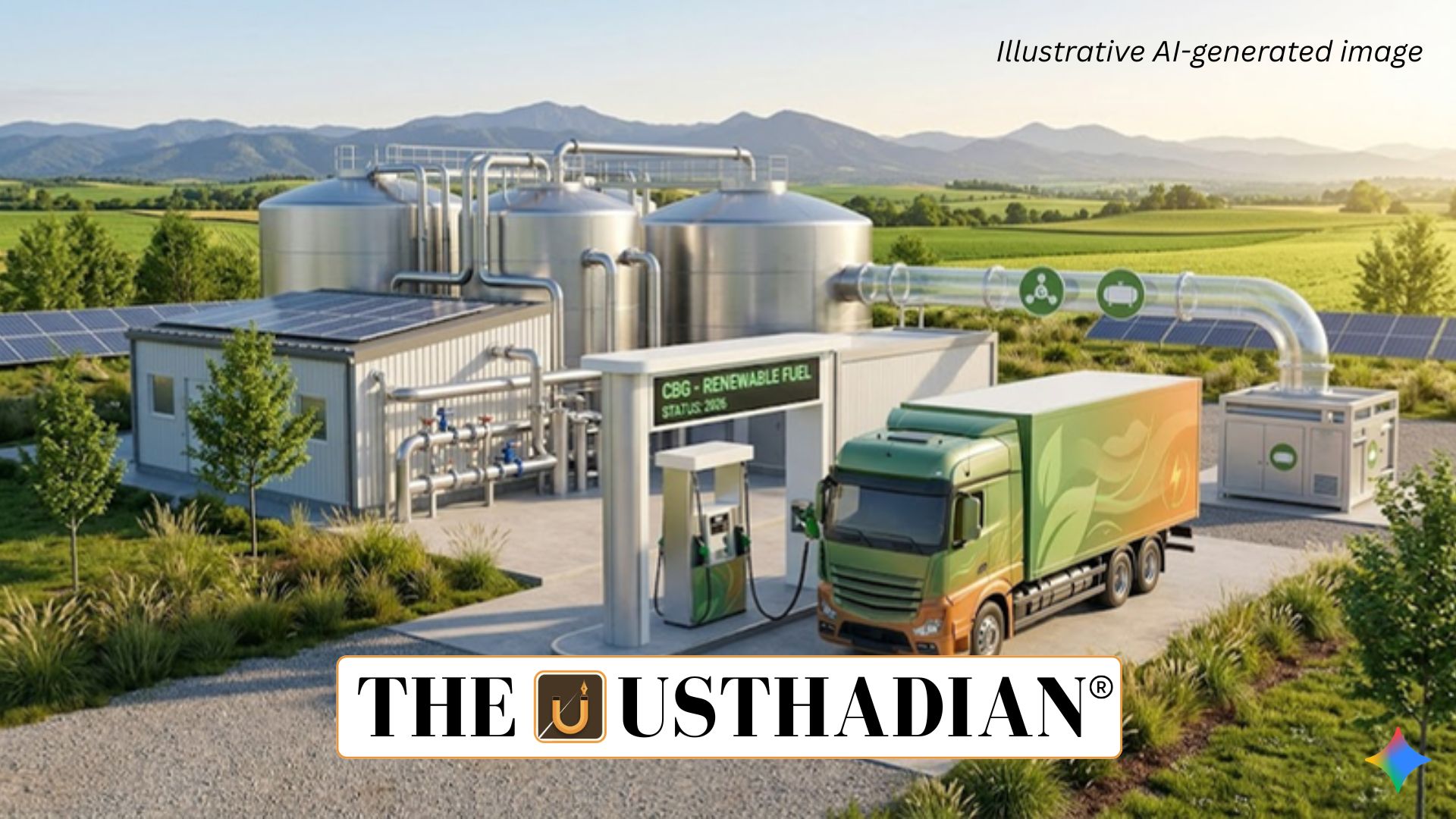
Maharashtra Compressed Biogas Policy 2026: The Maharashtra Cabinet, chaired by Devendra Fadnavis, approved the Compressed Biogas (CBG) Policy 2026 on April 24, 2026. The policy focuses on converting organic waste into clean fuel while improving waste management systems.
It aims to promote renewable energy production and strengthen India’s commitment to climate goals and sustainable development.
Static GK fact: Maharashtra is the second most populous state in India and a major industrial hub.
Financial support and implementation
The policy allocates ₹500 crore for 2026–27 to accelerate CBG project development. Funding support will be provided through Public-Private Partnership (PPP) and Hybrid Annuity Model (HAM) frameworks.
These models reduce financial risks for private players and ensure steady project execution with shared investment responsibility.
Static GK Tip: The Hybrid Annuity Model (HAM) combines upfront government funding with private sector participation, mainly used in infrastructure projects.
Focus on waste to energy conversion
Maharashtra has around 423 urban local bodies, generating large volumes of municipal solid waste daily. A significant portion of this waste is biodegradable.
The policy emphasizes source segregation of waste, ensuring that wet waste is processed scientifically for biogas production instead of being dumped in landfills.
Static GK fact: Compressed Biogas (CBG) is purified biogas containing methane, similar in properties to CNG (Compressed Natural Gas).
Environmental benefits and sustainability
The initiative will reduce dependency on landfills and cut methane emissions, a potent greenhouse gas contributing to global warming. Scientific waste treatment also improves urban sanitation.
The policy promotes the use of agricultural residues, helping farmers generate income and reducing stubble burning, especially in rural regions.
Static GK Tip: Methane has over 25 times more global warming potential than carbon dioxide over a 100-year period.
Link with national schemes
The policy aligns with the GOBARdhan scheme, which promotes converting biodegradable waste into wealth and energy. It also supports cluster-based infrastructure for efficient waste collection.
This approach strengthens the circular economy, where waste is reused as a resource, reducing environmental damage and enhancing energy security.
Static GK fact: The GOBARdhan scheme was launched under the Swachh Bharat Mission to manage rural waste effectively.
Challenges and future outlook
Key challenges include ensuring effective segregation at source, high initial investment costs, and coordination between multiple agencies. Public awareness and infrastructure development remain critical.
If implemented efficiently, the policy can transform Maharashtra into a leader in waste-to-energy innovation and sustainable urban management.
Static Usthadian Current Affairs Table
Maharashtra Compressed Biogas Policy 2026:
| Topic | Detail |
| Policy Name | Maharashtra CBG Policy 2026 |
| Approval Date | April 24, 2026 |
| Financial Allocation | ₹500 crore (2026–27) |
| Key Objective | Convert organic waste into clean fuel |
| Implementation Models | PPP and HAM |
| Waste Focus | Municipal solid waste and agricultural residue |
| Environmental Benefit | Reduction in methane emissions and landfill use |
| Linked Scheme | GOBARdhan scheme |
| Energy Output | Compressed Biogas (CBG) |
| Economic Impact | Supports circular economy and rural income |