Discovery in Tamil Nadu
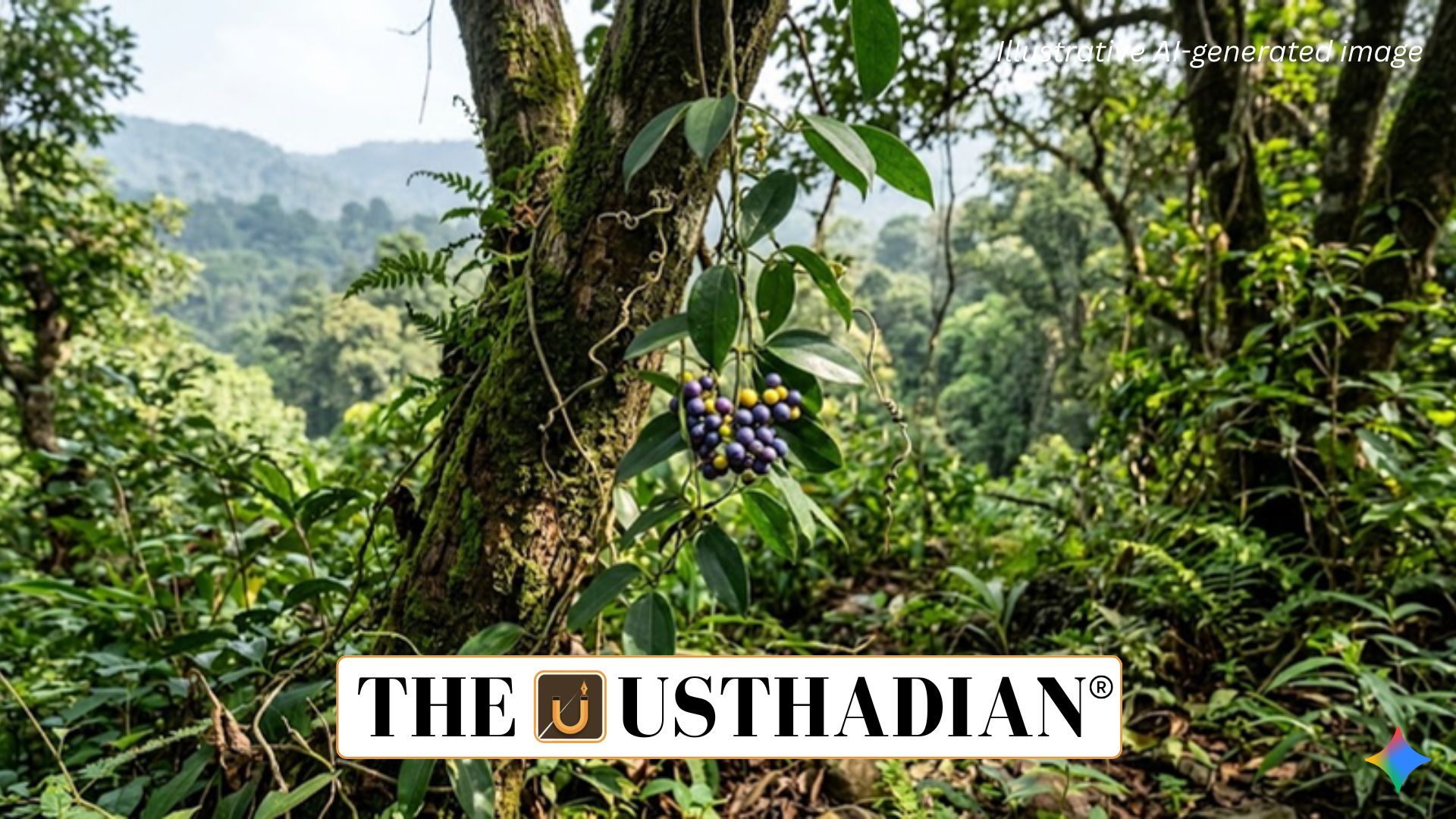
Hidden Vine Treasure from Eastern Ghats: A new plant species named Cyphostemma annamalaii was discovered in the southern Eastern Ghats of Tamil Nadu on 7 May 2026. The species was identified from Sanjeevi hill in Villupuram district. This discovery added a new member to the Vitaceae family, which includes grape-related plants.
The discovery highlighted the rich biodiversity of the Eastern Ghats region. Scientists believe many unexplored plant species still survive in isolated hill ecosystems across peninsular India.
Static GK fact: The Eastern Ghats extend across Odisha, Andhra Pradesh, Telangana, Karnataka, and Tamil Nadu. Unlike the Western Ghats, they are discontinuous mountain ranges.
Taxonomy and Scientific Importance
The genus Cyphostemma belongs to the family Vitaceae Juss, mainly consisting of climbing shrubs and vines. The species name annamalaii was given in honour of Rajah Sir Annamalai Chettiyar, founder of Annamalai University in Chidambaram.
Taxonomy plays an important role in classifying plants based on scientific characteristics. Correct classification helps botanists study plant evolution, medicinal value, and ecological importance.
Static GK Tip: Carl Linnaeus is called the “Father of Taxonomy” for developing the modern classification system.
Habitat and Ecological Features
The plant was discovered at Panaimalaipettai at an elevation of only 86 metres. It was found growing in open scrub vegetation inside a tropical dry forest ecosystem. Such forests are common in rain-shadow regions of southern India.
Tropical dry forests support drought-resistant plants and shrubs. These ecosystems are important for conserving endemic flora and preventing soil erosion in semi-arid landscapes.
Static GK fact: Tropical dry forests receive moderate rainfall and experience long dry seasons. Teak and acacia are common tree species found there.
Morphological Characteristics
Professor L. Mullainathan, Head of the Department of Botany at Annamalai University, identified the species after observing clear differences from related plants. Variations were noticed in leaf progression, fruit shape, and fruit colour.
Morphological study remains one of the most important methods in plant identification. Features such as leaf arrangement, stem structure, flowers, and fruits help scientists separate closely related species.
Scientific Documentation
The discovery was officially published in the journal Phytotaxa in March 2026. Herbarium specimens were preserved and deposited at St. Joseph’s College, Tiruchi, and the Botanical Survey of India, Coimbatore.
Herbarium records serve as permanent scientific evidence for newly discovered plants. These preserved specimens help future researchers compare species and verify classification details.
Static GK fact: The Botanical Survey of India (BSI) was established in 1890 and functions under the Ministry of Environment, Forest and Climate Change.
Importance for Competitive Exams
The discovery is important for prelims and environment sections of competitive examinations. Questions may be asked regarding the Eastern Ghats, plant taxonomy, herbarium techniques, or the role of the Botanical Survey of India.
India remains one of the world’s mega-biodiversity countries. Continuous discoveries of flora and fauna show the ecological importance of conserving fragile forest ecosystems.
Static Usthadian Current Affairs Table
Hidden Vine Treasure from Eastern Ghats:
| Topic | Detail |
| New Species | Cyphostemma annamalaii |
| Discovery Date | 7 May 2026 |
| Location | Sanjeevi hill, Villupuram district, Tamil Nadu |
| Mountain Range | Eastern Ghats |
| Plant Family | Vitaceae |
| Ecosystem | Tropical dry forest |
| Research Journal | Phytotaxa |
| Scientist Involved | Professor L. Mullainathan |
| Herbarium Locations | St. Joseph’s College Tiruchi and BSI Coimbatore |
| National Organisation | Botanical Survey of India |