Policy announcement and objective
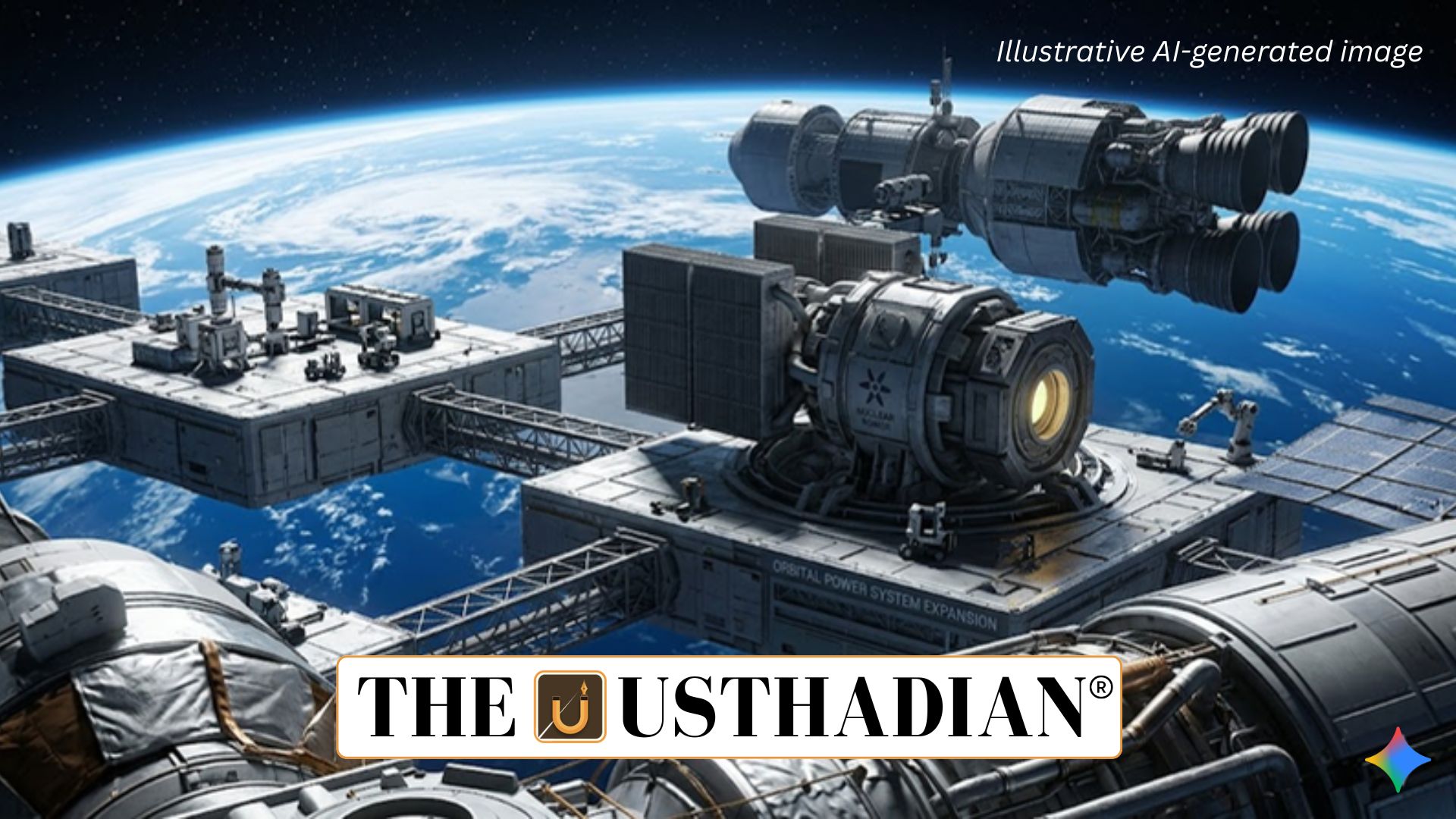
US Space Nuclear Reactor Plan Expansion: The United States has announced an ambitious plan to deploy nuclear reactors in space by 2028 and establish them on the Moon by 2030. This initiative is part of the National Initiative for American Space Nuclear Power, aimed at strengthening long-term space capabilities.
The move is designed to ensure reliable and continuous energy supply for future missions. Unlike solar power, nuclear systems can operate efficiently in extreme conditions, including long lunar nights.
Static GK fact: The Moon experiences 14 Earth days of continuous darkness, making solar energy unreliable for sustained missions.
Reactor design and capacity
The proposed space nuclear reactor will generate around 20 kilowatts (kW) of power. It is expected to function for 3 years in orbit and up to 5 years on the Moon, supporting critical mission infrastructure.
This level of power is sufficient to operate habitats, communication systems, and scientific instruments. It represents a shift toward long-duration, self-sustaining space exploration.
Static GK Tip: 1 kilowatt (kW) = 1000 watts, commonly used to measure electrical power output.
Role of US Department of Energy
The US Department of Energy (DOE) will play a central role in the project. It will oversee development, testing, transportation, and launch safety of nuclear systems.
Ensuring safety is critical, as launching nuclear material requires strict protocols. The DOE’s expertise in nuclear technology makes it a key stakeholder in this initiative.
Static GK fact: The US Department of Energy was established in 1977 to manage national energy policy and nuclear infrastructure.
Support for future missions
The initiative also focuses on nuclear propulsion systems for deep space missions, particularly targeting Mars exploration. Nuclear propulsion can significantly reduce travel time compared to conventional chemical rockets.
This advancement is essential for long-distance missions where efficiency and reliability are crucial. It also enables heavier payloads and sustained human presence beyond Earth.
Static GK Tip: Mars is often called the “Red Planet” due to iron oxide on its surface.
Geopolitical implications
The plan reflects growing space competition between the US and China, especially in lunar exploration and advanced technologies. Both nations are racing to establish dominance in strategic space domains.
Developing nuclear power capabilities in space enhances national prestige and technological leadership. It also has implications for defence and resource utilization in outer space.
Static GK fact: China is developing the International Lunar Research Station (ILRS) in collaboration with Russia.
Static Usthadian Current Affairs Table
US Space Nuclear Reactor Plan Expansion:
| Topic | Detail |
| Initiative | National Initiative for American Space Nuclear Power |
| Timeline | 2028 (space), 2030 (Moon) |
| Power Output | 20 kilowatts |
| Duration | 3 years (orbit), 5 years (Moon) |
| Key Agency | US Department of Energy |
| Key Use | Lunar missions and space infrastructure |
| Future Scope | Nuclear propulsion for Mars missions |
| Strategic Context | US–China space competition |