Renewed diplomatic engagement
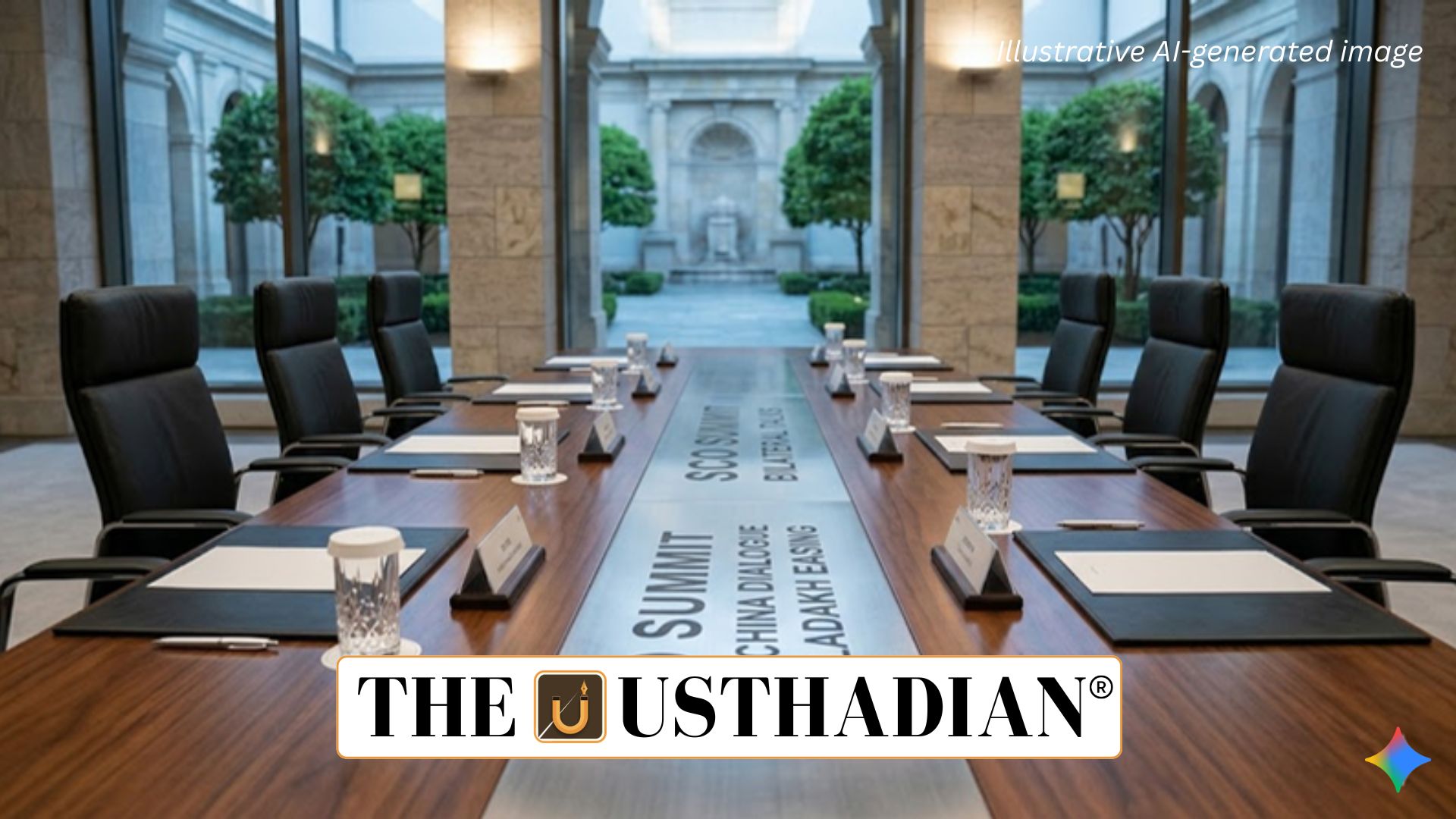
India China SCO Talks After Ladakh Easing: India and China resumed bilateral consultations under the Shanghai Cooperation Organisation (SCO) on April 16–17, 2026. This marks the first such engagement after the easing of the eastern Ladakh standoff in 2024.
The talks indicate a cautious yet steady attempt to normalise relations. Both sides focused on strengthening coordination within multilateral platforms while safeguarding national interests.
Static GK fact: The SCO was established in 2001 with China, Russia, and Central Asian countries as founding members.
First talks after Ladakh thaw
The consultations are significant as they come after years of strained relations following the 2020 border tensions. Diplomatic ties had remained limited, with military and political dialogues dominating engagement.
The recent improvement reflects a shift towards structured diplomacy. Multilateral forums like SCO provide a neutral platform for engagement.
Static GK Tip: India became a full member of the SCO in 2017 during the Astana Summit.
Key areas of discussion
Both delegations reviewed cooperation in areas such as security, trade, connectivity, and people-to-people exchanges. The meeting also involved discussions with Sibi George, Secretary (West) in the Ministry of External Affairs.
India emphasized that the SCO must remain focused on combating terrorism, extremism, and radicalisation, which are its core objectives. Economic cooperation was also discussed as a secondary priority.
Static GK fact: The SCO’s Regional Anti-Terrorist Structure (RATS) is headquartered in Tashkent, Uzbekistan.
Link with BRICS engagement
Parallel diplomatic engagement is visible through BRICS cooperation, where both India and China play key roles. China has supported India’s BRICS presidency, indicating a broader willingness to engage.
Upcoming visits include Wang Yi’s expected India visit in May 2026 and Xi Jinping’s likely participation in the BRICS Summit in September 2026. These developments signal continued high-level diplomatic exchanges.
Static GK Tip: BRICS originally included Brazil, Russia, India, China, and South Africa.
India’s stance on connectivity
India reiterated its consistent position on connectivity and sovereignty. It supports regional infrastructure projects only when they respect territorial integrity and national sovereignty.
This position is crucial in the context of projects passing through disputed regions. India maintains that sustainable connectivity must be based on mutual trust and respect.
Static GK fact: The principle of sovereignty is a core concept in international relations and the United Nations Charter.
Strategic significance
The resumption of SCO talks reflects a balanced approach combining cooperation and strategic caution. While tensions have reduced, underlying issues remain unresolved.
India’s approach highlights the importance of multilateral diplomacy in managing complex bilateral relationships. The coming months will be crucial in determining the trajectory of India-China relations.
Static Usthadian Current Affairs Table
India China SCO Talks After Ladakh Easing:
| Topic | Detail |
| Event | India-China SCO bilateral talks |
| Dates | April 16–17, 2026 |
| Key Context | Post Ladakh standoff easing (2024) |
| Organisation | Shanghai Cooperation Organisation |
| India SCO Membership | 2017 |
| Key Focus Areas | Security, trade, connectivity |
| Indian Official | Sibi George |
| Related Platform | BRICS |
| Upcoming Visits | Wang Yi (May 2026), Xi Jinping (Sept 2026) |
| Strategic Theme | Cooperation with caution |