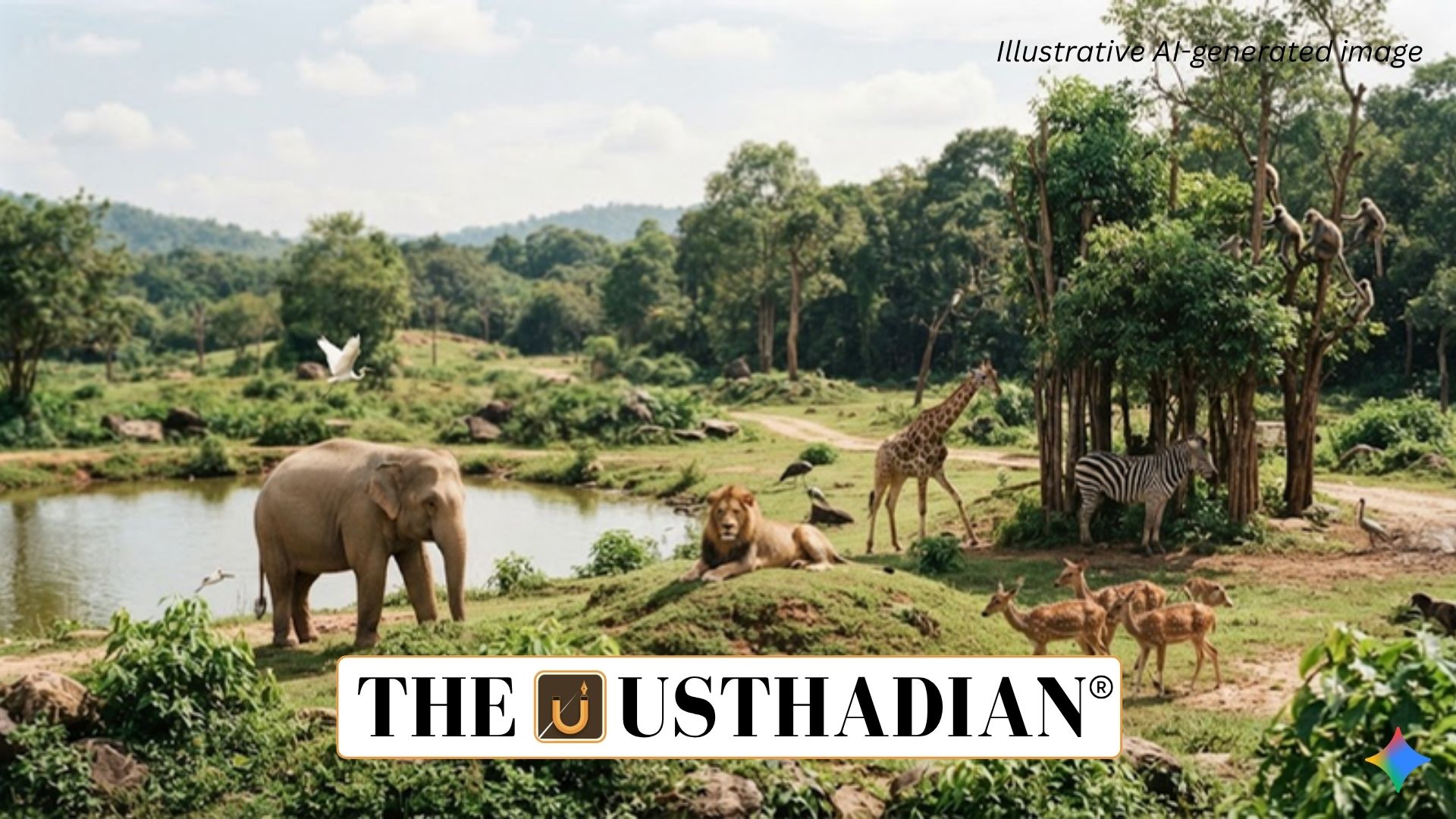
World Animal Day 2026
World Animal Day and the Global Animal Welfare Movement: World Animal Day is observed annually on 4 October to promote awareness about animal welfare, protection and humane treatment. In 2026, the observance falls on Sunday, 4 October.
The day provides an opportunity to highlight the importance of protecting domestic, farmed and wild animals. It also encourages individuals, governments and organisations to address cruelty, exploitation and threats to animal habitats.
Historical Beginning
The origins of World Animal Day are associated with Heinrich Zimmermann, a German writer and animal-welfare campaigner. The first major observance was organised at the Sports Palace in Berlin, Germany, in 1925 and reportedly attracted more than 5,000 participants.
The original event was held on 24 March 1925. The observance was subsequently shifted to 4 October, linking it with the feast day of Saint Francis of Assisi.
Static GK fact: Berlin is the capital and largest city of Germany. It has also played an important role in the history of international conferences, cultural movements and scientific institutions.
Saint Francis of Assisi
The choice of 4 October is connected with Saint Francis of Assisi, who is traditionally associated with compassion towards animals and nature.
In Catholic tradition, Saint Francis is regarded as the patron saint of animals and ecology. His association with nature and living beings provides the symbolic foundation for the date of World Animal Day.
Importance of Animal Welfare
Animal welfare focuses on the health, well-being and living conditions of animals. It includes measures aimed at reducing unnecessary suffering, preventing cruelty and ensuring appropriate treatment.
The concept extends beyond domestic animals to include farm animals, working animals and wildlife. Responsible human interaction is an important component of welfare, particularly where human activities directly affect animal health and survival.
Static GK Tip: Animal welfare and animal conservation are related but distinct concepts. Welfare primarily concerns an individual animal’s well-being, while conservation focuses more broadly on protecting species, populations, habitats and ecosystems.
Wildlife and Ecosystem Protection
For wild animals, welfare is closely connected with the protection of natural habitats and ecological systems. Habitat destruction, pollution, illegal exploitation and other human pressures can affect species survival and ecosystem stability.
World Animal Day therefore serves as a platform for promoting responsible relationships between humans and animals. Awareness campaigns can encourage wildlife protection, ethical treatment and greater understanding of animals’ ecological roles.
Global Significance
Governments, conservation organisations, educational institutions and individuals use the occasion to conduct awareness programmes, educational activities and animal-protection initiatives.
The observance also highlights the broader principle that animals form an important part of ecosystems and biodiversity. Protecting them requires a combination of responsible human behaviour, effective welfare measures and conservation of their habitats.
Static Usthadian Current Affairs Table
World Animal Day and the Global Animal Welfare Movement:
| Fact | Detail |
| World Animal Day | Observed annually on 4 October |
| World Animal Day 2026 | 4 October 2026 |
| Historical origin | Berlin, Germany |
| First major celebration | 24 March 1925 |
| Organiser | Heinrich Zimmermann |
| Associated saint | Saint Francis of Assisi |
| Saint Francis | Patron saint of animals and ecology |
| Main objective | Promote animal welfare and humane treatment |
| Major concerns | Cruelty, exploitation and animal protection |
| Wildlife focus | Habitat protection and ecosystem conservation |
| Coverage | Domestic, farmed and wild animals |