Latest Developments
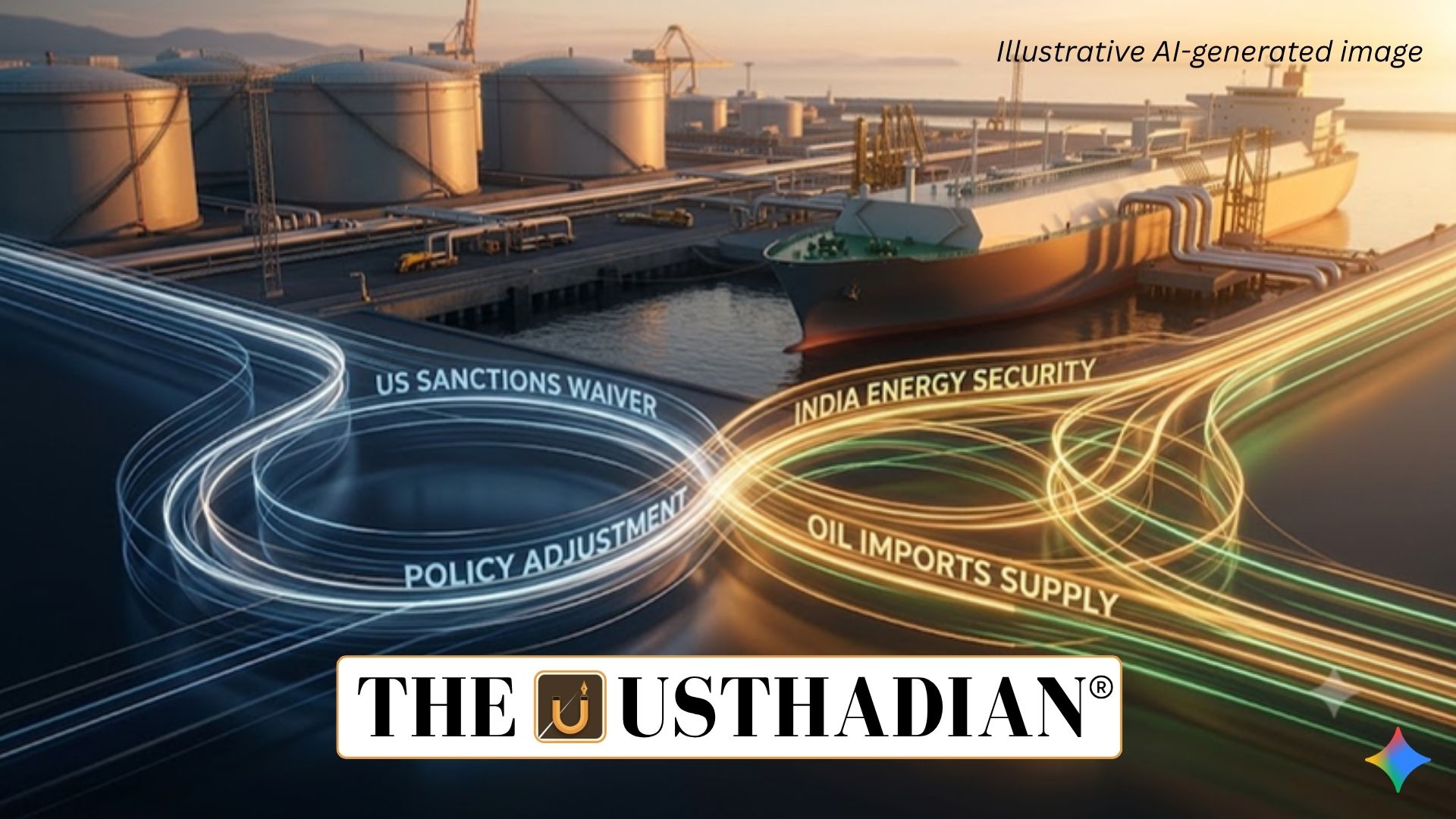
US Waiver on Russian Oil Sanctions and India’s Energy Security: US President Donald Trump has reportedly waived sanctions and related restrictions under the Lindsey O. Graham Sanctioning Russia and Iran Act, 2026, citing US national interest. According to the supplied report, the decision temporarily reduces the threat of punitive measures against major purchasers of Russian oil, including India and China.
The waiver is significant for India because it imports more than 88% of its crude oil requirements. However, the relief is temporary and does not eliminate wider geopolitical, financial or trade-related risks.
Russia’s Rise as India’s Largest Oil Supplier
Following Russia’s invasion of Ukraine in February 2022, Western sanctions restricted several Russian energy markets. Russia subsequently offered discounted crude, encouraging Indian refiners to increase purchases.
According to the supplied report, India imported approximately 1.9 million barrels per day (bpd) of Russian crude in September 2026, accounting for more than 35% of its oil imports. Supplies reportedly reached 2.8 million bpd in July 2026.
Russia became India’s largest crude supplier, helping diversify sourcing beyond traditional West Asian producers. Disruptions around the Strait of Hormuz, a strategically important oil-shipping route, have further highlighted the importance of reliable alternative supplies.
Static GK fact: The Strait of Hormuz connects the Persian Gulf with the Gulf of Oman and is a major route for international oil shipments.
Understanding the Graham Act
The reported Lindsey O. Graham Act provides for sanctions and trade restrictions targeting Russia and certain countries purchasing Russian energy. The supplied article refers to potential tariffs of up to 100% on goods from major Russian oil or gas importers under specified conditions.
It also describes a presidential waiver provision under Section 115, allowing restrictions to be waived when the US President certifies that doing so serves American national interests.
The reported decision illustrates the tension between geopolitical pressure and the economic importance of affordable energy.
Why the Waiver Matters for India
Energy Security
The waiver reduces the immediate risk of punitive US measures making Russian crude less attractive to Indian refiners. A sudden reduction in Russian supplies could increase procurement costs, place pressure on the import bill and contribute to domestic inflation.
India-US Trade Relations
Russian oil purchases have been a source of friction in India-US economic relations. Temporary relief from the tariff threat could create more room for diplomatic engagement and bilateral trade negotiations, although it does not guarantee an agreement.
Static GK Tip: Strategic autonomy refers to a country’s ability to make independent foreign-policy and security decisions according to its national interests.
Continuing Challenges
European Sanctions and Compliance
The US waiver does not automatically remove restrictions imposed by the European Union or other jurisdictions. Indian refiners, banks, shipping companies and insurers must continue to assess applicable sanctions and compliance requirements.
Competition from China
China’s purchases of Russian crude may increase competition for available cargoes. If demand rises, Indian refiners could face higher prices or tighter supplies, reducing the economic advantage of discounted Russian oil.
Inflation and External Balance
The supplied report states that retail inflation rose from 4.83% in August to 5.54% in September 2026, while food inflation reached 7.74%. Higher crude prices can raise transportation, manufacturing and fertiliser costs, contributing to cost-push inflation and increasing pressure on India’s current account.
Way Forward
India should pursue diversified sourcing from Russia, West Asia, the United States and other suppliers. Expanding strategic petroleum reserves, improving domestic storage and refining capacity, and promoting renewable energy and electric mobility can reduce exposure to external shocks.
India should also maintain diplomatic engagement with major partners and ensure that energy transactions comply with applicable international restrictions. The long-term objective should be energy security without excessive dependence on any single supplier.
Static Usthadian Current Affairs Table
US Waiver on Russian Oil Sanctions and India’s Energy Security:
| Fact | Detail |
| US President mentioned | Donald Trump |
| Reported legislation | Lindsey O. Graham Sanctioning Russia and Iran Act, 2026 |
| India’s crude import dependence | Over 88%, according to the supplied report |
| Russian crude imports in September 2026 | Approximately 1.9 million bpd |
| Reported July 2026 peak | 2.8 million bpd |
| Strategic shipping route | Strait of Hormuz |
| Major continuing concern | Sanctions compliance and competition for Russian crude |
| Domestic economic risk | Imported inflation and higher import expenditure |
| Long-term strategy | Diversified energy sourcing and strategic reserves |
| Key foreign-policy principle | Strategic autonomy |