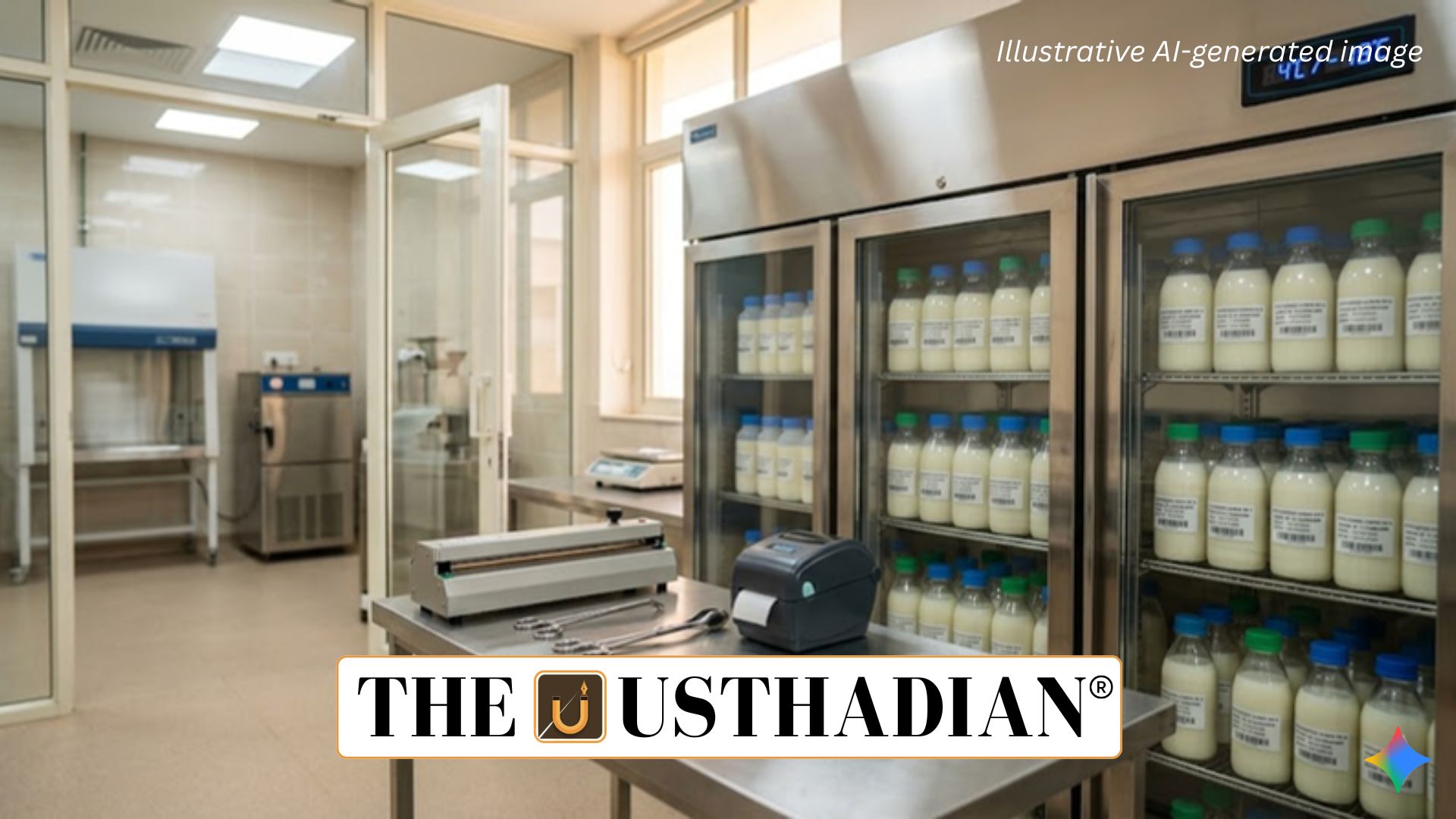
Human Milk Donation Expansion
Rajasthan Strengthens Human Milk Banking Network: Rajasthan has expanded its breast milk donation programme through the Yashoda Mothers initiative and multiple human milk banks operating across the state. These facilities provide safe donor milk for newborn babies who cannot receive milk directly from their mothers. The initiative mainly supports premature infants, underweight babies, and newborns admitted to neonatal intensive care units.
The Mother Milk Bank at Barmer District Hospital has become one of the important centres in the state. Since its establishment on 4 March 2018, the facility has collected 29,882 units of donated milk and supported nearly 3,165 newborn babies.
Static GK fact: Rajasthan is India’s largest state by area, and Jaipur is its capital city.
Role of Human Milk Banks
Human milk banks collect breast milk from healthy lactating mothers after proper medical screening. The milk is tested, pasteurised, stored safely, and distributed to infants requiring nutritional support. These banks play a major role in reducing neonatal mortality and infections among vulnerable newborns.
The Barmer facility preserves donated milk at minus 19 degrees Celsius. The stored milk can remain usable for nearly six months under proper conditions. Every donated sample undergoes HIV screening and infection testing before preservation and distribution.
As of 11 May 2026, the Barmer bank had around 220 units of stored milk, equal to 6,600 ml.
Static GK Tip: Human milk contains antibodies and nutrients essential for infant immunity and early brain development.
Yashoda Mothers Programme
The Yashoda programme functions under the Norway-India Partnership Initiative, launched in 2008 to improve maternal and neonatal healthcare systems. The programme encourages immediate breastfeeding after childbirth and promotes exclusive breastfeeding during the first six months of infancy.
Women who voluntarily donate milk under the programme are called Yashoda Mothers. By May 2026, nearly 3,523 women had registered as Yashoda Mothers at Barmer District Hospital alone.
The programme also spreads awareness regarding maternal nutrition, infant care, and breastfeeding practices in rural and urban healthcare centres.
Jeevan Dhara and Aanchal Milk Bank
Jeevan Dhara, Rajasthan’s first state-run human milk bank, was inaugurated on 27 March 2015 at Mahila Chikitsalaya, Jaipur. The project was developed in partnership with the Norwegian government and JK Lon Hospital.
Another major facility is the Aanchal Mother Milk Bank in Bhilwara. Between June 2018 and November 2023, donor Raksha Jain contributed nearly 160.81 litres of breast milk. Her donation reportedly supported over 5,000 infant feeds.
Static GK fact: Norway is a Scandinavian country in Northern Europe, and Oslo is its capital.
Importance for Public Health
Human milk banking has become an important part of India’s neonatal healthcare system. Medical experts consider donor human milk safer and more beneficial than artificial formula feeding for premature babies. The programme also reflects growing awareness regarding maternal health and infant nutrition in India.
The Rajasthan model highlights how state-supported healthcare programmes can improve child survival rates and strengthen neonatal care infrastructure in government hospitals.
Static Usthadian Current Affairs Table
Rajasthan Strengthens Human Milk Banking Network:
| Topic | Detail |
| Barmer Mother Milk Bank Start Date | 4 March 2018 |
| Milk Storage Temperature | Minus 19 degrees Celsius |
| Rajasthan’s First State-run Milk Bank | Jeevan Dhara |
| Jeevan Dhara Inauguration Date | 27 March 2015 |
| Partnership Programme | Norway-India Partnership Initiative |
| Yashoda Programme Launch Year | 2008 |
| Registered Yashoda Mothers in Barmer | 3,523 |
| Milk Units Collected at Barmer | 29,882 units |
| Babies Supported by Barmer Facility | 3,165 newborns |
| Aanchal Milk Bank Major Donor | Raksha Jain |