Cabinet approval and historic transition
Yuge Yugeen Bharat National Museum and the Transformation of India Administrative Heritage: The Union Cabinet approved the conversion of the historic North Block and South Block into the Yuge Yugeen Bharat National Museum in February 2026. This decision followed the inauguration of the new Prime Minister’s Office complex called Seva Teerth by Prime Minister Narendra Modi on February 13, 2026. It marks the end of nearly 95 years of administrative functioning of these iconic buildings.
This shift represents a symbolic transition from colonial administrative structures to modern governance infrastructure aligned with the vision of Viksit Bharat. Cabinet meetings will now be conducted in the newly constructed administrative complexes.
Static GK fact: The Union Cabinet functions under Article 74 of the Constitution, assisting the President through the Council of Ministers headed by the Prime Minister.
Historical importance of North Block and South Block
The North Block and South Block were constructed during the British colonial period and completed in 1931. These buildings were designed by famous British architect Sir Herbert Baker as part of the imperial capital project in New Delhi.
After India’s Independence in 1947, the Prime Minister’s Office operated from South Block, and successive Cabinets under 16 Prime Ministers, from Jawaharlal Nehru to Narendra Modi, took critical national decisions here. These buildings housed key ministries, including Finance, Home Affairs, Defence, and External Affairs.
Static GK Tip: The Raisina Hill, where these buildings are located, also houses the Rashtrapati Bhavan, the official residence of the President of India.
Seva Teerth and Kartavya Bhavans and governance modernization
The new administrative complexes, including Seva Teerth and Kartavya Bhavans, are designed as technology-enabled, integrated, and environmentally sustainable workspaces. These modern buildings aim to improve administrative efficiency, digital governance, and coordination among ministries.
The transition reflects a shift from a power-centric administrative culture to a citizen-centric service-oriented governance model. The integration of offices into centralized complexes enhances decision-making efficiency and productivity.
This transformation is part of the larger Central Vista redevelopment project, which aims to modernize India’s administrative infrastructure.
South Block and major national decisions
The South Block witnessed several historic policy decisions shaping India’s future. These included decisions during the Partition of India in 1947, national security during wars, and major political events like the Emergency (1975–77).
Important reforms such as the Goods and Services Tax (GST), Digital India Mission, Swachh Bharat Mission, and Direct Benefit Transfer (DBT) were approved here. Key constitutional decisions, including the abrogation of Article 370 in 2019, were also taken from South Block.
These developments underline the role of South Block as a nerve centre of India’s governance.
Vision of Yuge Yugeen Bharat National Museum
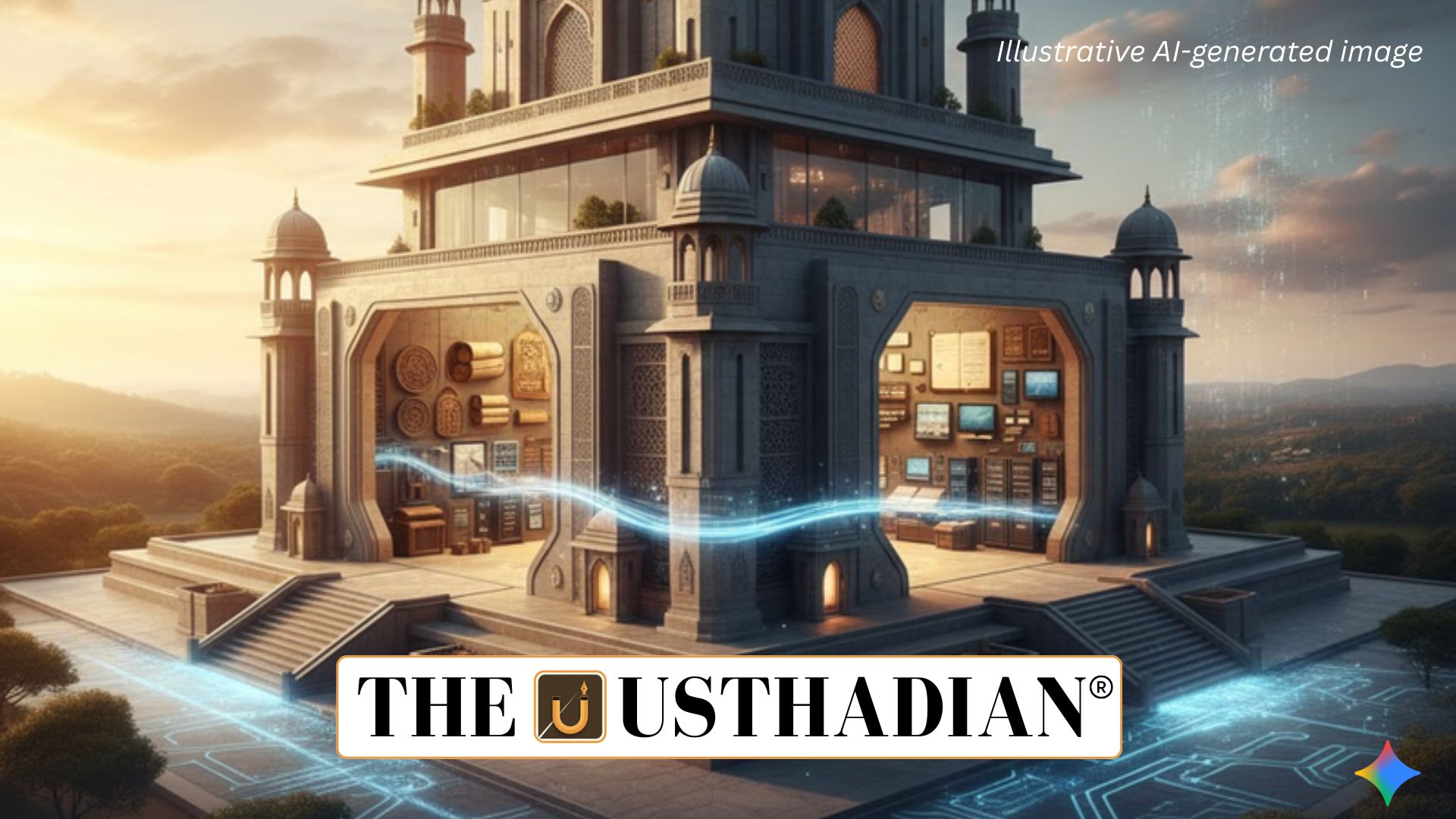
The Yuge Yugeen Bharat National Museum aims to showcase India’s civilisational journey spanning thousands of years. The museum will present India’s cultural evolution, freedom struggle, constitutional development, and rise as a global power.
The museum will connect India’s ancient heritage, colonial experience, post-independence nation-building, and modern achievements. It is expected to become one of the largest national museums representing India’s comprehensive historical narrative.
Static GK fact: The National Museum in New Delhi, established in 1949, is currently one of India’s largest museums and is located near Janpath.
This initiative also reflects India’s effort to preserve historical infrastructure while adapting to modern governance needs.
Static Usthadian Current Affairs Table
Yuge Yugeen Bharat National Museum and the Transformation of India Administrative Heritage:
| Topic | Detail |
| Museum name | Yuge Yugeen Bharat National Museum |
| Location | North Block and South Block, Raisina Hill, New Delhi |
| Cabinet approval | February 2026 |
| New PMO complex | Seva Teerth |
| Architect of buildings | Sir Herbert Baker |
| Year completed | 1931 |
| Redevelopment project | Central Vista redevelopment |
| Administrative shift purpose | Modern, integrated governance infrastructure |
| Historical importance | Centre of India’s governance since Independence |
| Vision | Showcase India’s civilisational and governance evolution |