About the festival
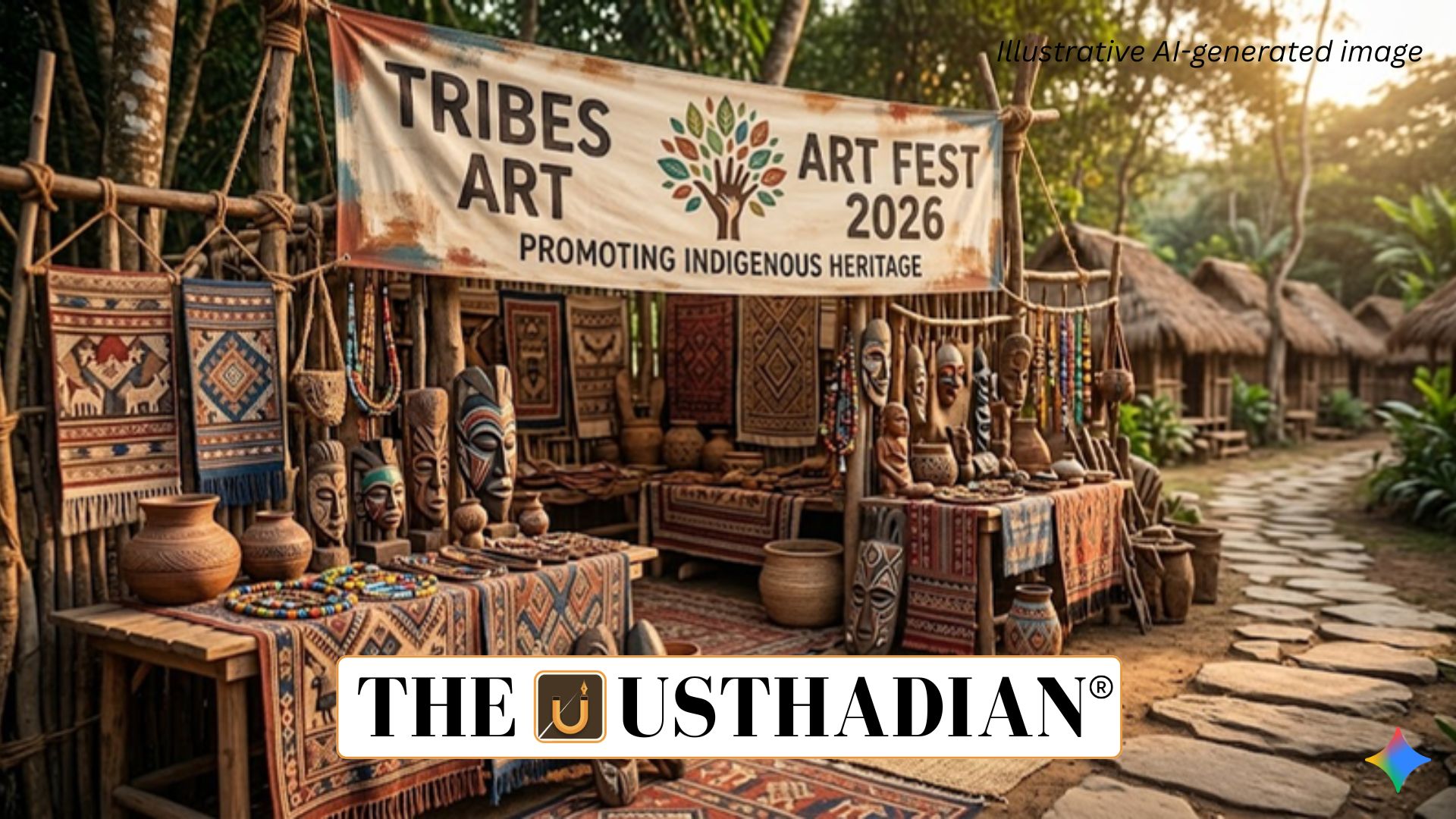
Tribes Art Fest 2026 Promoting Indigenous Heritage: Tribes Art Fest 2026 was recently organized in Delhi to promote and preserve India’s diverse tribal art forms. The event focused on providing a platform for tribal artisans to showcase their work and improve their livelihoods.
The festival also aimed at the commercialization of tribal arts, helping artists connect with wider markets. It highlighted the importance of safeguarding indigenous cultural heritage in a rapidly modernizing society.
Static GK fact: India has over 700 recognized Scheduled Tribes, contributing significantly to the nation’s cultural diversity.
Warli painting tradition
Warli painting, originating from Maharashtra, is one of the most well-known tribal art forms displayed at the festival. It has received a Geographical Indication (GI) tag, ensuring its authenticity and protection.
The art uses simple geometric shapes such as circles, triangles, and squares, often painted with rice paste on mud walls. Themes commonly include nature, farming activities, and rituals like the Tarpa dance.
Static GK Tip: GI tags in India are governed by the Geographical Indications of Goods Act, 1999.
Rabha and Tamang masks
The festival also showcased Rabha and Tamang masks from regions like Assam, West Bengal, and the Himalayan belt. These masks are integral to ritual dances and folk theatre performances.
Crafted using materials like wood, bamboo, clay, and gourds, they represent deities, spirits, and mythological figures. These masks play a vital role in preserving oral traditions and community beliefs.
Static GK fact: The North Eastern region of India is known for its rich tradition of mask-making and folk performances.
Gond painting style
Gond painting, from Madhya Pradesh, is another GI-tagged art form featured prominently. It is recognized for its intricate dot and line patterns, creating vibrant and detailed compositions.
The themes revolve around animals, folklore, and ecological elements, reflecting a deep connection with nature. This art form is often used to narrate stories passed through generations.
Static GK Tip: The Gond tribe is one of the largest tribal communities in Central India.
Bhil painting uniqueness
Bhil painting, practiced in Central India, stands out for its distinctive pointillism technique, using thousands of tiny dots to form images. This technique gives the artwork a unique texture and depth.
The paintings usually depict nature, local deities, and daily life scenes, representing the cultural identity of the Bhil tribe. The art form reflects their close relationship with forests and environment.
Static GK fact: The Bhil tribe is among the oldest tribal groups in India, with a strong presence in Rajasthan, Gujarat, and Madhya Pradesh.
Significance of the fest
The festival plays a key role in promoting Tribal Art Preservation and enhancing economic opportunities for artisans. It strengthens cultural identity while encouraging sustainable development.
By bringing tribal art into mainstream markets, such initiatives ensure both cultural continuity and financial empowerment of tribal communities.
Static Usthadian Current Affairs Table
Tribes Art Fest 2026 Promoting Indigenous Heritage:
| Topic | Detail |
| Event | Tribes Art Fest 2026 |
| Location | Delhi |
| Purpose | Preservation and commercialization of tribal arts |
| Warli Painting | GI-tagged art using geometric patterns and rice paste |
| Rabha & Tamang Masks | Ritual masks made from wood, bamboo, clay |
| Gond Painting | GI-tagged art with dots and line patterns |
| Bhil Painting | Pointillism style with thousands of dots |
| Key Focus | Cultural preservation and artisan empowerment |