Policy Overview
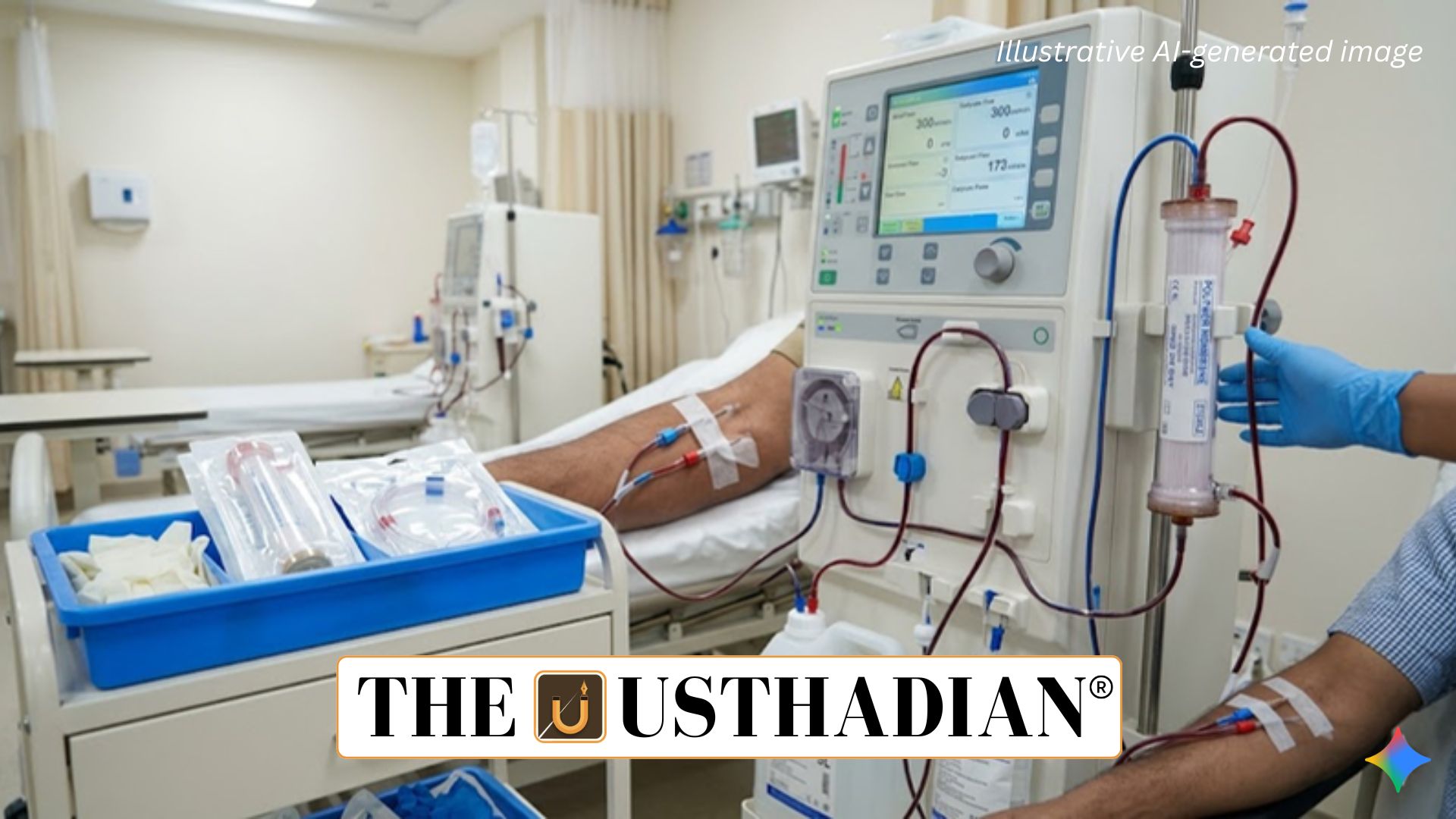
Tamil Nadu Single Use Hemodialysis Policy Reform: Tamil Nadu has introduced a single-use haemodialysis policy in government hospitals to enhance patient safety. This reform eliminates the reuse of dialysers, a practice previously common in public healthcare.
The move aligns with global healthcare standards and aims to ensure safer treatment for patients suffering from chronic kidney disease (CKD).
Static GK fact: Tamil Nadu is known for its strong public healthcare system, often ranking among top Indian states in health indicators.
Need for the Policy
Earlier, many government hospitals reused dialysers due to cost constraints. However, reuse increased the risk of infections and reduced treatment efficiency.
Patients undergoing regular dialysis are highly vulnerable. Even minor contamination can lead to serious complications, making safety a critical concern.
The new policy ensures that each dialyser is used only once, reducing cross-contamination risks significantly.
Key Benefits
The single-use dialyser system improves overall treatment outcomes. It ensures better filtration efficiency during dialysis sessions.
It also reduces the risk of infections such as hepatitis B and C, which can spread through contaminated equipment. This enhances patient trust in public healthcare services.
Additionally, healthcare workers benefit from simplified procedures, as there is no need for cleaning and sterilizing reused dialysers.
Static GK Tip: Haemodialysis is a process where a machine filters waste and excess fluids from the blood when kidneys fail.
Comparison with Other States
Tamil Nadu joins states like Telangana, Karnataka, and Gujarat, which have already implemented similar policies.
These states have reported improved patient outcomes and reduced infection rates after adopting single-use dialysers.
This reflects a broader shift in India toward safer and standardized medical practices in government hospitals.
Global Practices
Globally, single-use dialysers are the norm. Around 90% of haemodialysis in the United States, 85% in Europe, and 98% in Australia and New Zealand use disposable dialysers.
In contrast, India still relies heavily on reuse, especially in public healthcare, where 70–80% of treatments involve reusable dialysers.
This gap highlights the importance of reforms like Tamil Nadu’s initiative.
Challenges and Way Forward
The main challenge is the increased cost associated with single-use dialysers. Government funding and efficient procurement systems will be essential.
Training healthcare staff and ensuring steady supply chains are also crucial for smooth implementation.
In the long term, the policy is expected to reduce healthcare costs by preventing infections and complications.
Static Usthadian Current Affairs Table
Tamil Nadu Single Use Hemodialysis Policy Reform:
| Topic | Detail |
| Policy Name | Single-use haemodialysis policy |
| State | Tamil Nadu |
| Objective | Improve patient safety and eliminate dialyser reuse |
| Key Benefit | Reduced infection risk and better efficiency |
| Affected Sector | Government hospitals |
| Global Practice | Majority use single-use dialysers |
| India Scenario | 70–80% dialysis uses reusable dialysers |
| Comparable States | Telangana, Karnataka, Gujarat |
| Major Risk Addressed | Cross-contamination |