Strategic importance of the strait
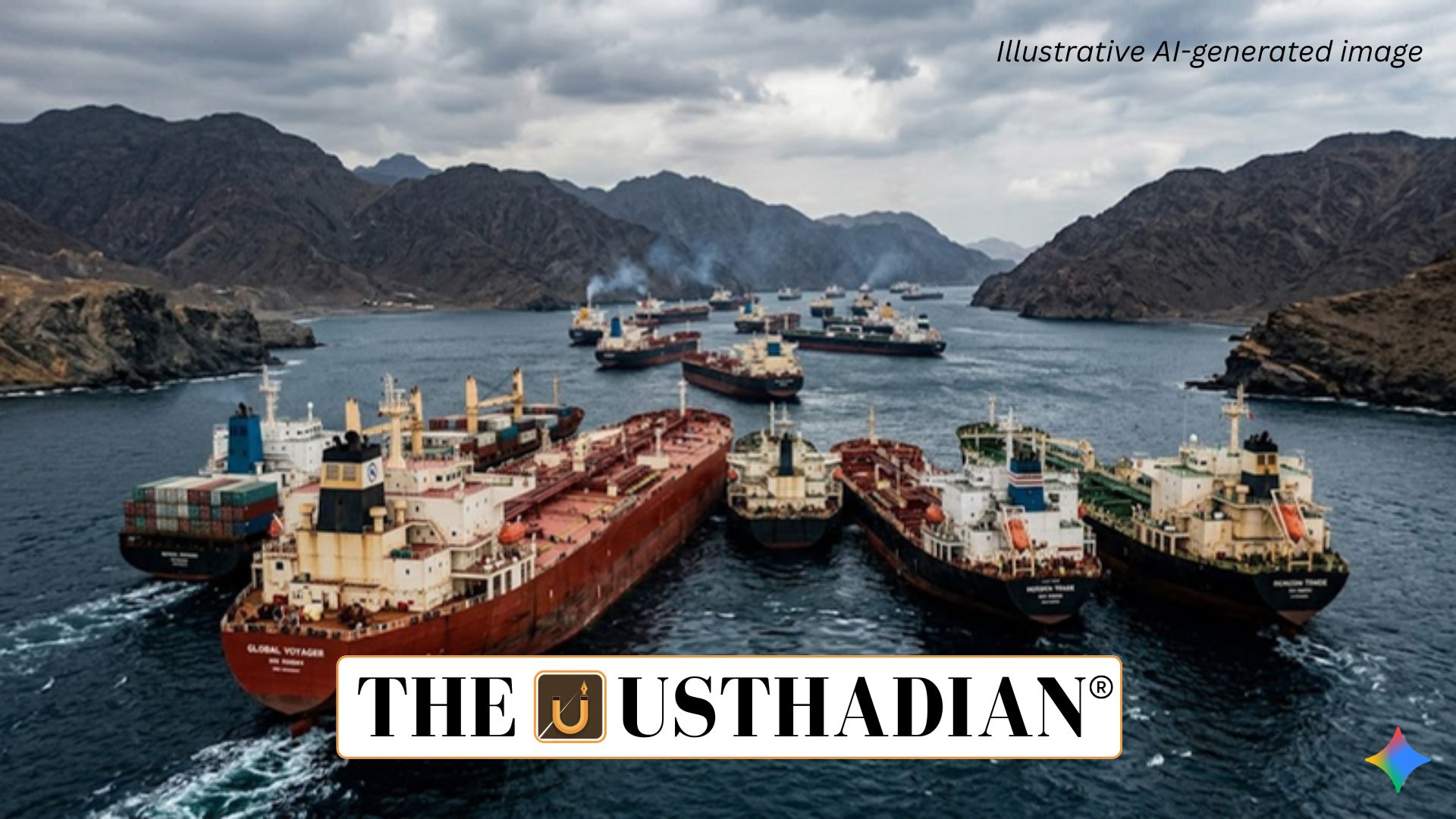
Strait of Hormuz Blockade 2026 and Global Energy Shock: The Strait of Hormuz is one of the most critical maritime routes globally. Nearly 20% of global oil trade passes through this narrow waterway connecting the Persian Gulf to international markets.
A disruption in this route directly affects fuel prices, global trade, and energy security. The 2026 blockade has exposed how fragile global supply chains are during geopolitical tensions.
Static GK fact: The Strait of Hormuz lies between Iran and Oman and connects the Persian Gulf to the Gulf of Oman.
Sharp fall in ship movement
Since the escalation of the West Asia conflict in March 2026, ship traffic has dropped by nearly 95%. Vessel movement reduced drastically to around 138 ships, compared to normal levels.
This decline highlights the scale of disruption in global maritime logistics. Shipping companies are avoiding the region due to rising risks and unclear navigation rules.
The reduced movement has already started impacting global oil availability and transportation timelines.
Selective passage policy by Iran
Iran has adopted a selective transit policy, allowing only ‘non-hostile’ nations to pass. However, the criteria for this classification remain unclear, creating uncertainty.
Countries like India, China, Pakistan, and Thailand have managed to secure passage. Their relatively balanced diplomatic relations with Iran appear to be a key factor.
This selective approach reflects how geopolitics directly influences trade routes during conflicts.
Static GK Tip: Iran controls the northern side of the Strait, giving it strategic leverage over maritime traffic.
Country-wise developments
India has successfully navigated multiple oil tankers through the strait. This ensures continuity in energy imports, which are crucial for its economy.
China has also secured passage, reportedly through economic arrangements. Its strong ties with Iran have helped maintain smooth transit.
Thailand, despite being a smaller economy, managed safe passage through diplomatic engagement. This shows the importance of negotiation during crises.
Pakistan witnessed mixed outcomes, with one vessel allowed and another denied due to protocol issues. Meanwhile, Japan is still awaiting clearance, indicating uncertainty even for developed economies.
Impact on global trade and economy
The blockade has severe implications for global oil markets and inflation. Reduced supply leads to rising fuel prices, affecting transportation and production costs worldwide.
Shipping companies are facing increased insurance premiums due to risks of attacks. This further raises the cost of global trade.
Countries heavily dependent on oil imports, like India, face significant economic pressure. The crisis also impacts LNG supplies, affecting electricity generation in many nations.
Why it is called an energy chokepoint
The Strait of Hormuz is termed a global energy chokepoint due to its geography and volume of trade.
It is only about 33 km wide at its narrowest point, making it highly vulnerable. A large portion of global oil and LNG passes through this narrow corridor.
Any blockade or conflict in this region has immediate and widespread global consequences.
Static GK fact: Other major chokepoints include the Suez Canal and the Malacca Strait, which are also vital for global trade.
Way forward
Ensuring freedom of navigation and diplomatic resolution is essential to stabilize global markets. Countries may also diversify energy sources and routes to reduce dependence.
The crisis highlights the need for strategic reserves, alternative pipelines, and renewable energy adoption.
Static Usthadian Current Affairs Table
Strait of Hormuz Blockade 2026 and Global Energy Shock:
| Topic | Detail |
| Location | Between Iran and Oman |
| Oil trade share | Around 20% of global supply |
| Traffic decline | Nearly 95% drop |
| Key countries allowed | India, China, Thailand, Pakistan |
| Strategic term | Energy chokepoint |
| Major impact | Rising oil prices and inflation |
| Challenges | Security risks, insurance costs |
| Alternatives | Strategic reserves and diversification |