Indigenous knowledge significance
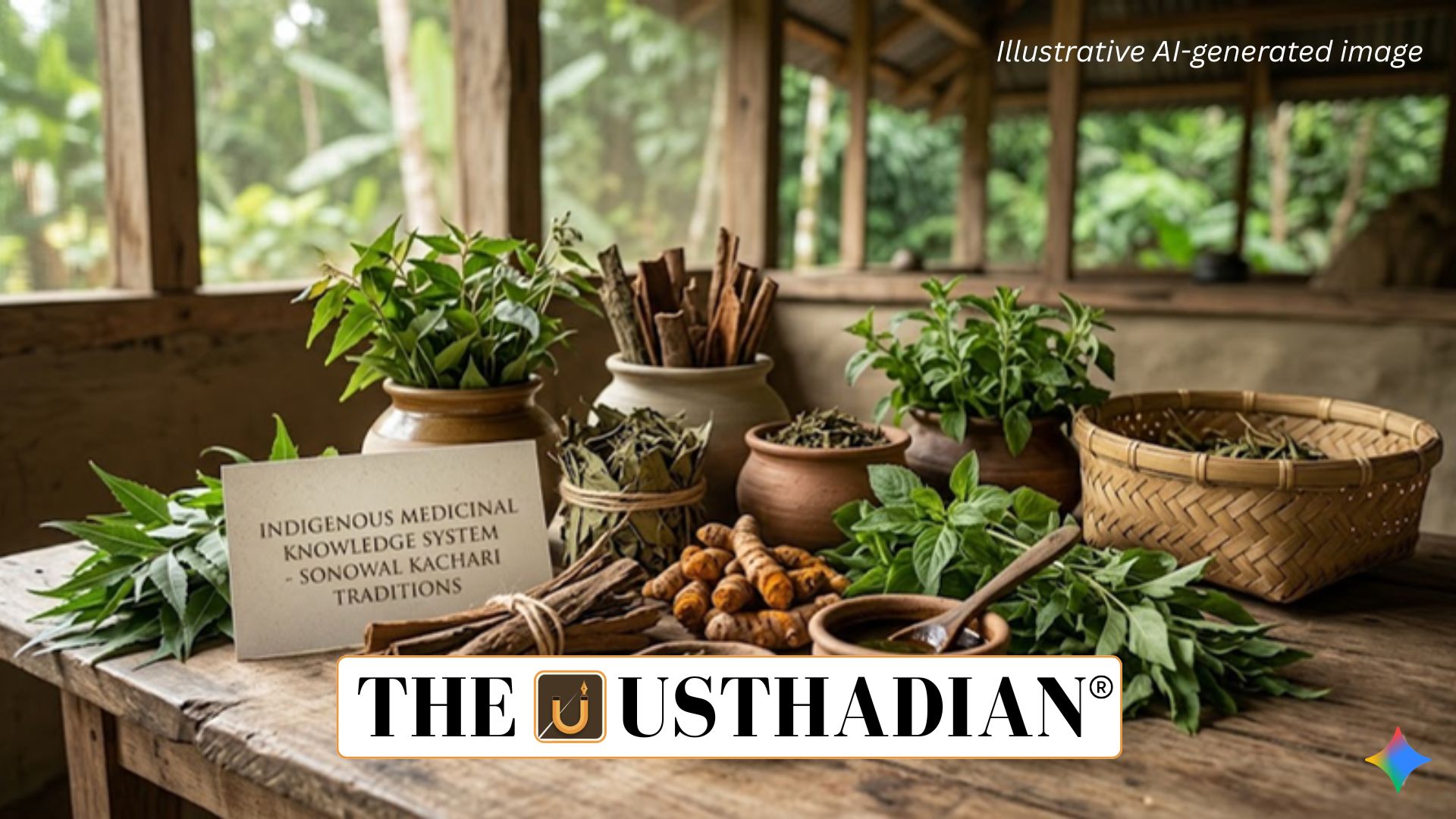
Sonowal Kacharis Indigenous Medicinal Knowledge System: A recent study has documented the use of 39 medicinal plants by the Sonowal Kachari tribe to treat ailments like fever, cough, kidney stones, and skin diseases. This reflects the depth of indigenous medicinal knowledge preserved through generations.
Such knowledge systems play an important role in primary healthcare in rural areas. They also contribute significantly to the field of ethnobotany, which studies the relationship between people and plants.
Static GK fact: India is one of the 12 mega biodiversity countries in the world.
About the community
The Sonowal Kacharis are an indigenous tribal group mainly residing in Assam, with smaller populations in Arunachal Pradesh and Meghalaya. They are officially recognised as a Scheduled Tribe (Plains) in Assam.
They are considered one of the oldest tribal communities in the region and are the third-largest plain tribe in Assam. Their demographic presence highlights their cultural and social importance.
Ethnic and linguistic identity
The community belongs to the Mongoloid ethnic group and follows the Tibeto-Burman linguistic family. However, Assamese is widely spoken as the primary language, along with Hindi for external communication.
This reflects a blend of indigenous traditions and regional influences, showing cultural adaptation over time.
Static GK Tip: The Tibeto-Burman language family is widely spoken across Northeast India.
Traditional occupation and lifestyle
Historically, the Sonowal Kacharis were associated with gold panning during the Ahom rule, which led to the name “Sonowal,” meaning gold washer. This highlights their historical economic role in the region.
In present times, they are primarily engaged in agriculture, cultivating crops like rice, betel nut, sweet potato, and cotton. Their lifestyle remains deeply connected to forests and natural ecosystems.
Religious practices and culture
The community mainly practises Hinduism, but their beliefs are strongly influenced by folk traditions. They maintain village shrines and follow rituals rooted in indigenous customs.
Lord Shiva is regarded as the principal deity, and their practices reflect a unique blend of tribal and mainstream religious elements.
Static GK fact: The Ahom kingdom ruled Assam for nearly 600 years (1228–1826).
Importance for healthcare and conservation
The documented medicinal practices highlight the importance of conserving both traditional knowledge systems and biodiversity. These practices can support modern medicine and sustainable healthcare solutions.
Protecting such knowledge is essential in the face of deforestation and cultural erosion. It also opens opportunities for pharmaceutical research and innovation.
Static Usthadian Current Affairs Table
Sonowal Kacharis Indigenous Medicinal Knowledge System:
| Topic | Detail |
| Tribe Name | Sonowal Kachari |
| Region | Assam, Arunachal Pradesh, Meghalaya |
| Status | Scheduled Tribe (Plains) |
| Medicinal Study | 39 plants documented |
| Key Field | Ethnobotany |
| Language Group | Tibeto-Burman |
| Traditional Occupation | Gold panning during Ahom rule |
| Present Occupation | Agriculture |
| Major Crops | Rice, betel nut, cotton, sweet potato |
| Religion | Hinduism with folk traditions |