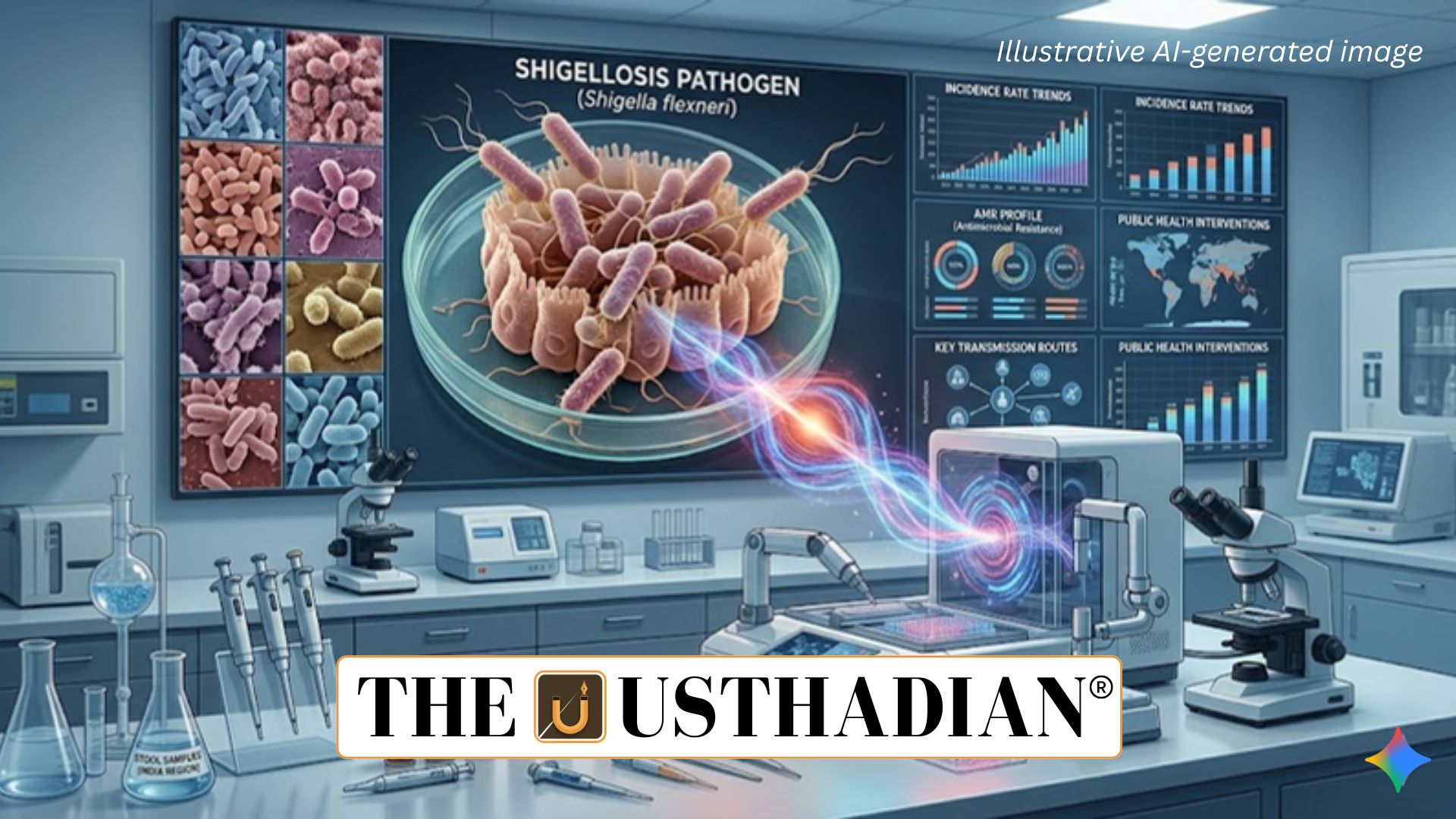
Understanding shigellosis infection
Shigellosis Outbreak and Public Health Concerns in India: Shigellosis is a highly contagious bacterial infection caused by the Shigella bacteria. It primarily affects the intestines and leads to severe gastrointestinal symptoms. The infection spreads rapidly in areas with poor sanitation and hygiene practices.
Recent reports of an outbreak in Kerala have raised concerns among health authorities. Quick identification and containment are crucial to prevent wider transmission.
Static GK fact: Shigella belongs to the Enterobacteriaceae family, which includes other bacteria like E. coli and Salmonella.
Mode of transmission and spread
The disease spreads through the faecal-oral route, mainly via contaminated food and water. Direct person-to-person contact is also a major transmission pathway, especially in crowded settings.
Even a small number of bacteria can cause infection, making it highly infectious. Poor hand hygiene and unsafe drinking water significantly increase the risk of outbreaks.
Static GK Tip: Faecal-oral transmission is common in diseases like cholera, typhoid, and hepatitis A.
Symptoms and vulnerable populations
Common symptoms include acute diarrhoea, often with blood or mucus, along with fever and abdominal cramps. In severe cases, dehydration and complications may occur.
Children under the age of five and immunocompromised individuals are the most vulnerable groups. Malnutrition further increases the risk of severe illness and mortality.
Global burden and emerging challenges
Shigellosis accounts for nearly 188 million cases annually worldwide, making it a significant public health concern. Developing countries face a higher burden due to limited sanitation infrastructure.
A major concern is the rising antimicrobial resistance (AMR) in Shigella strains. This makes treatment more difficult and reduces the effectiveness of commonly used antibiotics.
Static GK fact: Antimicrobial resistance is recognized by the WHO as one of the top global health threats.
Prevention and control strategies
There is currently no approved vaccine for shigellosis, making prevention critical. Key measures include maintaining proper hygiene, ensuring access to clean drinking water, and improving sanitation facilities.
Public awareness campaigns and early detection can help control outbreaks effectively. Strengthening healthcare systems and surveillance is essential for long-term disease management.
Static Usthadian Current Affairs Table
Shigellosis Outbreak and Public Health Concerns in India:
| Topic | Detail |
| Disease | Shigellosis (bacterial infection) |
| Causative Agent | Shigella bacteria |
| Transmission | Faecal-oral route |
| Key Symptoms | Bloody diarrhoea, fever, cramps |
| Vulnerable Groups | Children under five, immunocompromised |
| Global Burden | Around 188 million cases annually |
| Major Concern | Antimicrobial resistance |
| Prevention | Hygiene, sanitation, safe food and water |
| Vaccine Status | No approved vaccine available |