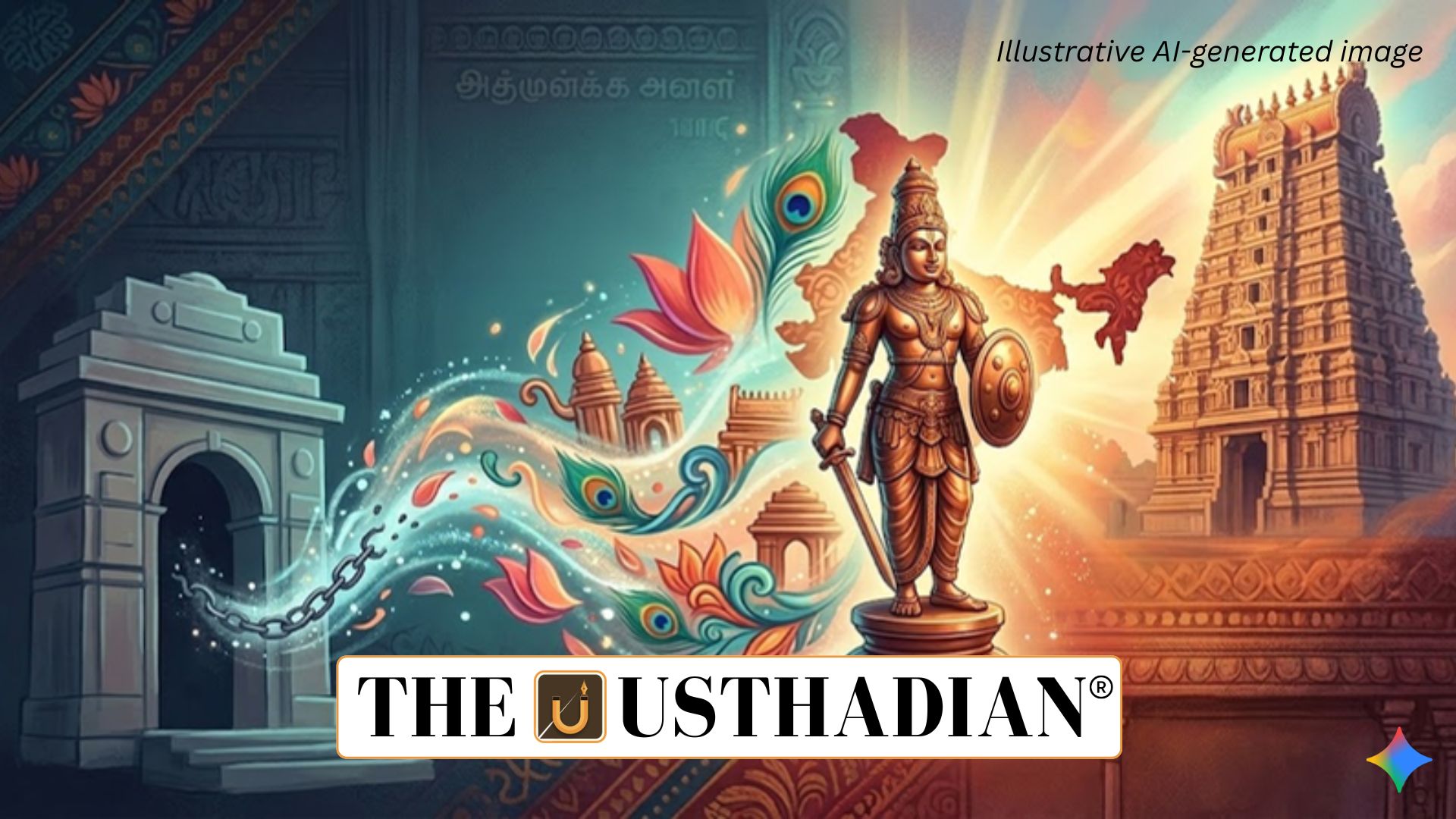
Idol Repatriation to India
Return of Thirumankai Alvar Idol to India: The Ashmolean Museum at the University of Oxford has returned a 16th-century bronze idol of Saint Thirumankai Alvar to India after 59 years. The ceremonial handover took place at India House in London, marking an important moment in India–UK cultural cooperation.
The sacred idol will now travel back to its original location, the Shri Soundararaja Perumal Temple at Thadikombu in Tamil Nadu. Once restored, the idol will again become part of temple rituals and local religious traditions.
Static GK fact: The Ashmolean Museum, established in 1683, is considered one of the world’s oldest public museums and is part of the University of Oxford.
Saint Thirumankai Alvar and Vaishnavite Tradition
Thirumankai Alvar is one of the twelve Alvars, the poet-saints who played a major role in spreading Vaishnavism in South India between the 6th and 9th centuries. Their devotional hymns were compiled into the sacred Tamil text known as the Divya Prabandham.
The returned idol represents the saint in bronze form, a common artistic tradition of South Indian temple sculpture during the medieval period. Such idols were often used in temple processions and religious festivals.
Static GK Tip: The Alvars and Nayanmars were two major groups of Bhakti movement saints in South India, devoted respectively to Vishnu and Shiva.
Journey of the Idol to the United Kingdom
The bronze idol was purchased by the Ashmolean Museum through a Sotheby’s auction in 1967. At that time, documentation of cultural artefacts was limited, and many temple idols were removed from their original locations.
Over the past decades, increasing global awareness about illicit trafficking of cultural heritage has led museums and governments to review the provenance of artefacts. Investigations revealed the temple origin of the idol in Tamil Nadu, prompting the museum to initiate its return.
The decision reflects modern museum practices that emphasize ethical collecting and cultural responsibility.
Importance of Cultural Repatriation
The return of the idol highlights the growing global movement toward repatriation of cultural property. Countries across the world are working to restore artefacts that were taken during colonial periods or through illegal trade.
For India, the restoration of such sacred objects is not only a matter of heritage preservation but also of religious and community significance. Once returned, many idols resume their role in temple worship and festivals.
Static GK fact: The UNESCO Convention of 1970 aims to prevent the illegal import, export, and transfer of ownership of cultural property, encouraging nations to return stolen heritage items.
India’s Expanding Heritage Recovery Efforts
India has intensified efforts to retrieve smuggled antiquities and sacred idols from foreign museums and private collectors. In recent years, hundreds of artefacts have been returned from countries such as the United States, Australia, Germany, and the United Kingdom.
These recoveries are supported by diplomatic negotiations, legal cooperation, and international conventions. The return of the Thirumankai Alvar idol adds another significant example to this expanding list of heritage restorations.
The event also strengthens India–UK cultural relations, showing a shared commitment to protecting and respecting historical heritage.
Static Usthadian Current Affairs Table
Return of Thirumankai Alvar Idol to India:
| Topic | Detail |
| Returned Artefact | Bronze idol of Thirumankai Alvar |
| Period of Idol | 16th century |
| Museum Returning Idol | Ashmolean Museum, University of Oxford |
| Year Acquired by Museum | 1967 through Sotheby’s auction |
| Original Temple | Shri Soundararaja Perumal Temple, Thadikombu, Tamil Nadu |
| Religious Significance | Thirumankai Alvar was one of the twelve Vaishnavite Alvar saints |
| International Framework | UNESCO 1970 Convention on cultural property |
| Cultural Importance | Restoration of temple worship and heritage protection |
| Diplomatic Context | Strengthening India–UK cultural cooperation |
| Broader Trend | Global movement toward repatriation of artefacts |