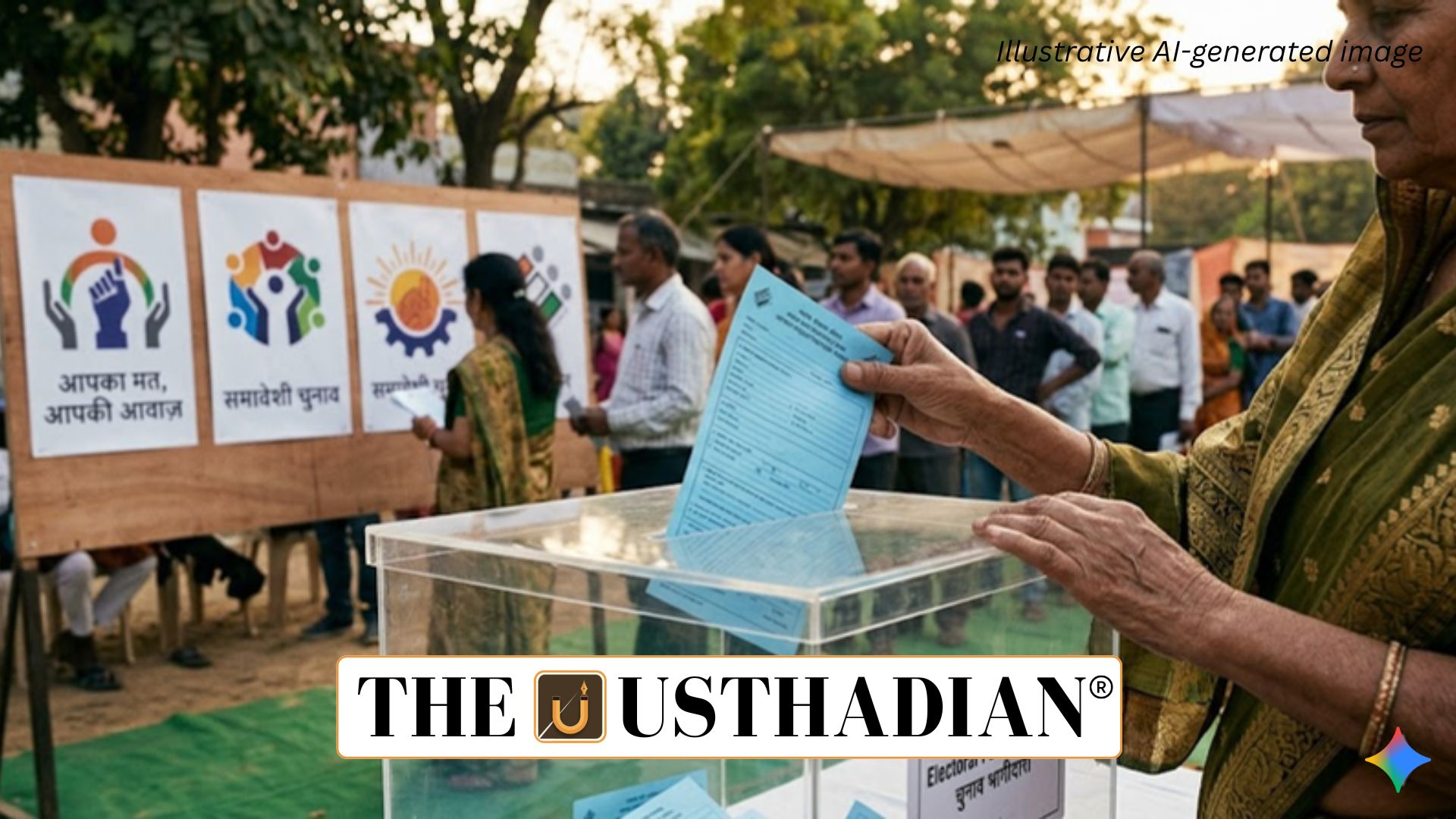
First time voter from refugee background
Refugee Participation Expands Indian Electoral Inclusion: A significant milestone in India’s democratic journey is marked by R. Gokuleswaran, a 39-year-old Sri Lankan refugee, who will vote for the first time in the upcoming State Legislative Assembly elections. He resides in the Sri Lankan Tamils Rehabilitation Camp at Kottapattu in Tiruchi district.
This event reflects the gradual integration of refugee communities into India’s political system. It also highlights the importance of citizenship as a gateway to democratic participation.
Static GK fact: The right to vote in India is a constitutional right under Article 326, based on universal adult suffrage.
Earlier milestone in the same camp
In 2024, K. Nalini, aged 40, became the first naturalised Indian citizen from the Kottapattu camp to cast her vote. Her achievement set a precedent for other refugees seeking inclusion in the electoral process.
She had obtained Indian citizenship in 2022, followed by a valid voter identity card, enabling her participation in elections.
This development encouraged others in the camp, including Gokuleswaran, to pursue similar legal pathways.
Legal pathway to citizenship
The process of becoming an Indian citizen for refugees involves strict verification under the Citizenship Act, 1955. Applicants must satisfy conditions related to residence, documentation, and legal compliance.
In Nalini’s case, she had to establish her citizenship status before the Madras High Court, ensuring her eligibility for electoral rights. This demonstrates the role of judiciary in safeguarding legal rights.
Static GK Tip: Indian citizenship can be acquired by birth, descent, registration, naturalisation, or incorporation of territory.
Importance of electoral inclusion
The participation of naturalised citizens in elections strengthens India’s democratic fabric. It ensures that even historically displaced communities gain a voice in governance.
For refugee populations, voting represents not just a right but a symbol of identity, dignity, and belonging. It also promotes social integration and political awareness.
India has long hosted Sri Lankan Tamil refugees, especially since the civil war period, making their inclusion an important socio-political issue.
Broader implications
This development highlights India’s commitment to inclusive democracy. It also showcases how legal frameworks and judicial intervention can empower marginalized communities.
As more refugees acquire citizenship, their role in shaping local governance will increase. This could influence policies related to rehabilitation, welfare, and social justice.
Static GK fact: India follows a representative democracy system, where citizens elect their representatives at central and state levels.
Static Usthadian Current Affairs Table
Refugee Participation Expands Indian Electoral Inclusion:
| Topic | Detail |
| Key Person | R. Gokuleswaran |
| Background | Sri Lankan refugee from Tiruchi camp |
| First Vote | Upcoming State Assembly elections |
| Notable Case | K. Nalini first voted in 2024 |
| Citizenship Year (Nalini) | 2022 |
| Legal Framework | Citizenship Act, 1955 |
| Court Involved | Madras High Court |
| Constitutional Basis | Article 326 |
| Significance | Electoral inclusion of refugees |
| Location | Kottapattu camp, Tiruchi |