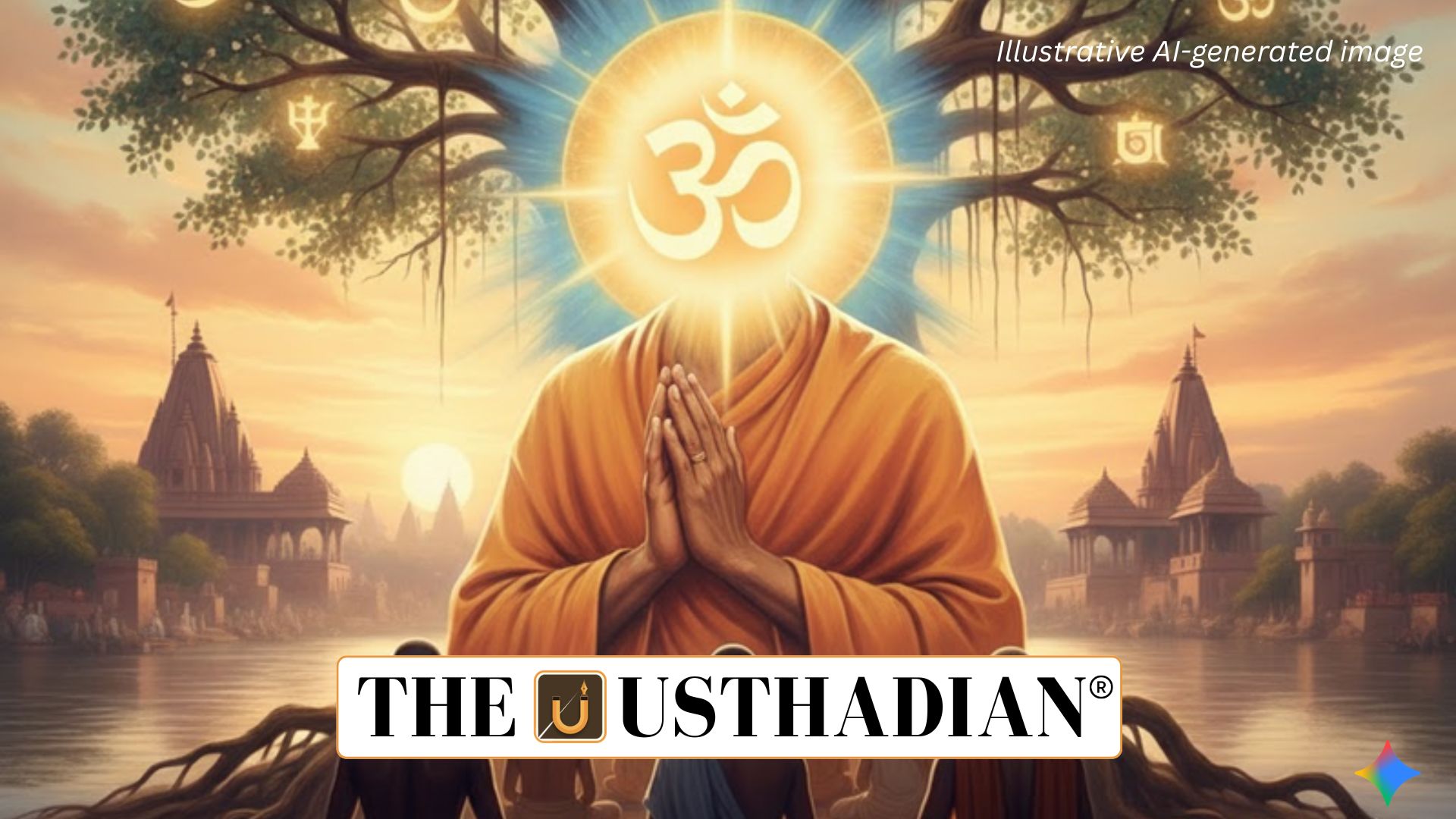
Tribute on birth anniversary
Ramakrishna Paramahansa and His Spiritual Legacy in India: India remembered Ramakrishna Paramahansa on his birth anniversary on 19 February 2026, with tributes paid by national leaders including the Union Home Minister. He is regarded as one of the greatest spiritual figures of modern India. His teachings continue to influence Indian philosophy, religious harmony, and social service movements.
His life played a crucial role in shaping India’s spiritual revival during the 19th century Bengal Renaissance. His universal spiritual message strengthened the idea of unity among different religions.
Static GK fact: The Bengal Renaissance was a cultural and intellectual reform movement centered in Bengal between the late 18th and early 20th centuries.
Early life and background
Ramakrishna Paramahansa was born as Gadadhar Chattopadhyaya in 1836 in a poor Brahmin family in Hooghly district, Bengal Presidency. Despite having very limited formal education, he possessed extraordinary spiritual inclination from a young age. He was fluent only in the Bengali language, yet his spiritual wisdom attracted scholars and intellectuals.
His humble background and simple lifestyle helped him connect deeply with common people. His spiritual experiences were based on direct realization rather than academic study.
Static GK Tip: Hooghly district is located in present-day West Bengal, and Kolkata served as the capital of British India until 1911.
Role at Dakshineswar Kali Temple
He became a priest at the famous Dakshineswar Kali Temple, located near Kolkata, where his spiritual journey intensified. He developed deep devotion toward Goddess Kali, whom he worshipped as the supreme divine mother. During his time there, he experienced intense mystical visions and states of spiritual ecstasy.
These experiences strengthened his belief in the direct experience of God. His spiritual practices attracted many followers seeking spiritual guidance.
Static GK fact: The Dakshineswar Kali Temple was built in 1855 by Rani Rashmoni, a philanthropist and devotee of Goddess Kali.
Philosophy of universal religion
One of his most important contributions was practising multiple religious paths, including Vaishnavism, Shakta Tantrism, Advaita Vedanta, Islamic Sufism, and Christianity. Through these practices, he concluded that all religions ultimately lead to the same truth, which he called Brahman.
He emphasized religious harmony, devotion (Bhakti), and realization of God through love and service. His teachings promoted unity and mutual respect among different faiths.
Static GK Tip: Advaita Vedanta, developed by Adi Shankaracharya, teaches the non-duality of the soul (Atman) and ultimate reality (Brahman).
Influence on Swami Vivekananda and institutions
His most famous disciple was Swami Vivekananda, originally named Narendranath Dutta. Vivekananda later introduced Indian spiritual philosophy to the Western world at the Chicago Parliament of Religions in 1893. This event marked India’s spiritual influence on global platforms.
Inspired by Ramakrishna’s teachings, Vivekananda established the Ramakrishna Math and Ramakrishna Mission in 1897. These institutions focus on spiritual development, education, healthcare, and social service.
Static GK fact: The headquarters of Ramakrishna Mission is located at Belur Math in West Bengal.
Legacy and national importance
Ramakrishna Paramahansa passed away in 1886, but his teachings remain highly relevant. He promoted the idea that service to humanity is service to God, which influenced many social reform movements in India.
His life symbolizes India’s spiritual strength and cultural unity. His teachings continue to inspire millions in India and across the world.
Static Usthadian Current Affairs Table
Ramakrishna Paramahansa and His Spiritual Legacy in India:
| Topic | Detail |
| Birth name | Gadadhar Chattopadhyaya |
| Birth year | 1836 |
| Birthplace | Hooghly district, Bengal Presidency |
| Temple association | Dakshineswar Kali Temple |
| Core philosophy | All religions lead to same ultimate reality |
| Chief disciple | Swami Vivekananda |
| Major institutions inspired | Ramakrishna Math and Ramakrishna Mission |
| Mission establishment year | 1897 |
| Key values | Religious harmony, devotion, service |
| Death year | 1886 |