Reform push in Indian Railways
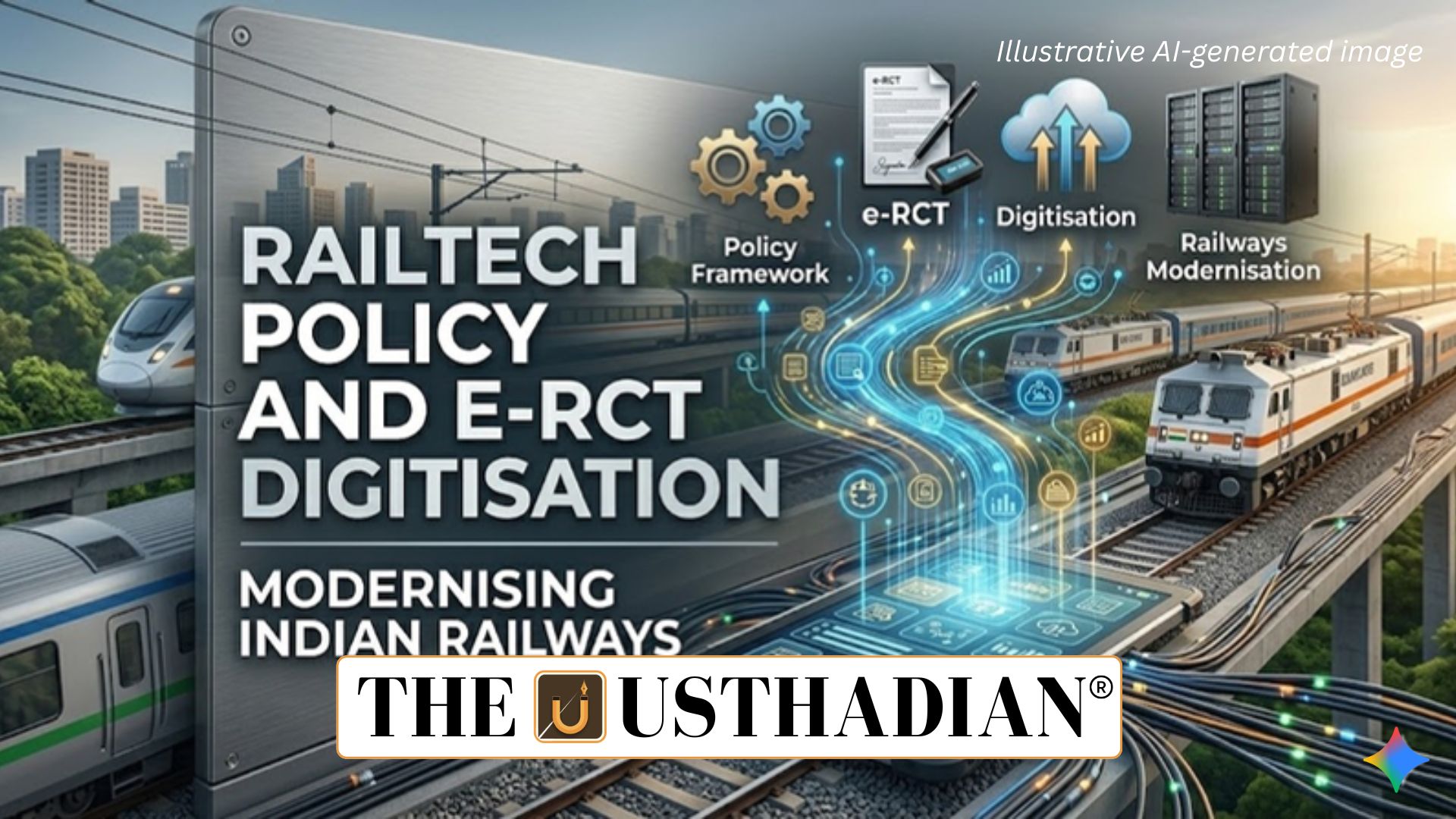
RailTech Policy and e-RCT Digitisation in Indian Railways: The Government of India announced the RailTech Policy and complete digitisation of the Railway Claims Tribunal (RCT) as part of the “52 Reforms in 52 Weeks” initiative of Indian Railways. The announcement was made by Union Minister Ashwini Vaishnaw in February 2026.
These reforms aim to accelerate technology adoption, digital governance and improved citizen services in the railway sector. The initiative focuses on integrating innovation, automation and digital platforms into railway operations.
Static GK fact: Indian Railways, one of the largest railway networks in the world, operates under the Ministry of Railways and manages more than 68,000 kilometres of track length across India.
RailTech Policy for innovation ecosystem
The RailTech Policy aims to create a structured ecosystem where startups, industry partners, researchers and innovators can contribute technological solutions to railway challenges. A dedicated RailTech Portal will allow innovators to submit proposals through a single-stage digital process.
The policy introduces enhanced financial support mechanisms. Grants for prototype development and trials have been increased, while scale-up funding has been expanded to support successful innovations.
Railways will provide up to 50 percent funding for viable technology development projects. Once solutions are tested and validated through pilot trials, they will be adopted at large-scale operational levels.
Static GK Tip: The Indian Railways Innovation framework follows models similar to the iDEX initiative that promotes innovation in the defence sector through collaboration with startups and private firms.
Technology focus areas under RailTech
The policy highlights several technology-driven safety and efficiency solutions for railway operations. Key areas include AI-based Elephant Intrusion Detection Systems, which aim to prevent train–wildlife collisions in forest regions.
Other initiatives include AI-enabled fire detection systems in coaches, drone-based broken rail detection, and sensor-based load monitoring devices. These technologies are expected to improve operational safety and predictive maintenance.
The RailTech framework also promotes AI-driven coach cleaning monitoring, fog obstruction detection systems, and solar panel integration on railway coaches to enhance sustainability.
These innovations aim to shift railway procurement from a vendor-centric model to an innovation-driven ecosystem where trials and pilot testing determine technology adoption.
Digitisation of Railway Claims Tribunal
The second reform involves the complete digitisation of the Railway Claims Tribunal through the e-RCT system. The RCT, established under the Railway Claims Tribunal Act, 1987, handles compensation claims related to railway accidents, passenger injuries and goods disputes.
Currently, the tribunal operates through 23 benches across 21 cities, and filing claims often requires physical visits and jurisdictional clarification.
The e-RCT system enables 24×7 online filing of claims from anywhere in India. It integrates a centralised Case Information System, e-filing platform and Document Management System to allow fully digital case management.
Static GK fact: The Railway Claims Tribunal is a quasi-judicial body designed to provide speedy and specialised adjudication of railway-related compensation claims.
Digital justice and governance reforms
The e-RCT platform supports hybrid hearings, digital evidence submission and online access to judgments and orders. Automated workflows and digital notifications will enable real-time tracking of cases.
This system is expected to reduce procedural delays, lower travel costs and improve transparency in tribunal functioning.
The digitisation of tribunals aligns with the broader Digital India and e-governance reforms aimed at improving access to justice through technology.
If the model proves successful, similar digital transformation frameworks may be extended to other tribunals and dispute resolution mechanisms in India.
Static Usthadian Current Affairs Table
RailTech Policy and e-RCT Digitisation in Indian Railways:
| Topic | Detail |
| Announcement | RailTech Policy and e-RCT digitisation launched in February 2026 |
| Reform Initiative | Part of Indian Railways’ “52 Reforms in 52 Weeks” programme |
| RailTech Policy Objective | Promote innovation and technological solutions through startups and research institutions |
| Funding Model | Indian Railways may fund up to 50 percent of development costs |
| Key Technologies | AI-based elephant detection, drone rail inspection, AI fire detection |
| Tribunal Reform | Railway Claims Tribunal fully digitised through e-RCT system |
| Legal Basis | Railway Claims Tribunal Act, 1987 |
| Tribunal Structure | 23 benches located in 21 cities across India |
| Digital Features | Online filing, hybrid hearings, case tracking and digital evidence submission |
| Governance Goal | Improve transparency, efficiency and citizen access to railway justice systems |