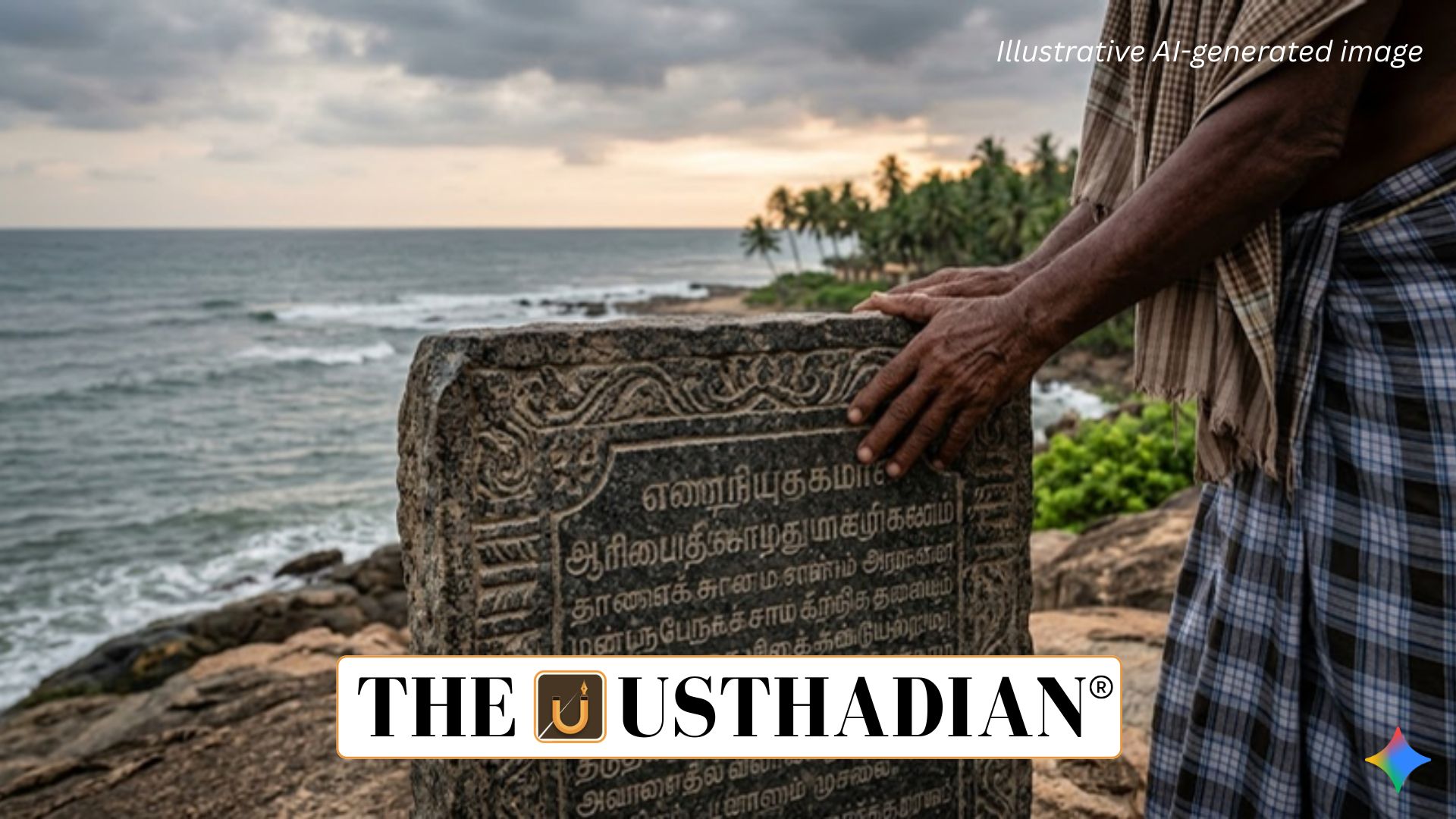
Statue Inauguration in Nagercoil
Ponnappa Nadar and the Integration of Kanniyakumari with Tamil Nadu: The Chief Minister of Tamil Nadu recently inaugurated a statue of freedom fighter and Congress leader Ponnappa Nadar in Nagercoil, the headquarters of Kanniyakumari district. The event recognised his historic contribution to the movement for merging Kanniyakumari with Tamil Nadu.
Ponnappa Nadar worked closely with Marshall Nesamani, another prominent leader of the region. Their efforts mobilised public opinion and political support for integrating Tamil-speaking areas of the Travancore-Cochin state with the then Madras State.
Static GK fact: Nagercoil is the administrative headquarters of Kanniyakumari district, the southernmost district of mainland India.
Leadership of Ponnappa Nadar
Ponnappa Nadar was an influential Indian National Congress leader who played a key role in representing the aspirations of Tamil-speaking people in southern Travancore. During the period before the linguistic reorganisation of states, many Tamil communities in the region demanded administrative integration with Tamil Nadu.
He advocated for cultural identity, language rights, and regional development. Through political campaigns and public mobilisation, he highlighted the need for the Tamil-majority taluks of southern Travancore to be merged with Tamil Nadu.
Static GK Tip: *Freedom fighters at the regional level often contributed not only to the independence movement but also to post-independence state reorganisation movements in India.
Role of Marshall Nesamani
Marshall Nesamani, popularly known as the “Father of Kanniyakumari district,” was another prominent leader in the merger movement. He strongly supported the cause of integrating Tamil-speaking regions with Madras State.
Nesamani worked alongside Ponnappa Nadar and other leaders to organise protests, political negotiations, and representations to the central government. Their collective leadership strengthened the demand for linguistic and cultural alignment of administrative boundaries.
Their activism became a crucial political force during debates surrounding the reorganisation of Indian states based on language.
Static GK fact: Marshall Nesamani later became a Member of Parliament and played an important role in regional political development.
Kanniyakumari Merger with Tamil Nadu
The movement ultimately succeeded with the implementation of the States Reorganisation Act of 1956. Under this Act, the Tamil-speaking taluks of Agastheeswaram, Kalkulam, Vilavancode, and Thovalai were separated from Travancore-Cochin state and merged with Madras State.
This historic administrative change officially created the Kanniyakumari district within Tamil Nadu. The merger ensured that linguistic identity and administrative governance were aligned.
The movement is widely regarded as an important example of democratic mobilisation for linguistic and cultural rights in post-independence India.
Static GK fact: The States Reorganisation Act, 1956 reorganised Indian states primarily on linguistic lines, reshaping the political map of the country.
Significance of the Statue
The statue of Ponnappa Nadar in Nagercoil serves as a tribute to his contribution to both the freedom struggle and the Kanniyakumari merger movement. It also recognises the collective efforts of regional leaders who shaped Tamil Nadu’s territorial identity.
Commemorations like this highlight the role of local leaders in shaping national and state history. They also help preserve the legacy of political movements that influenced India’s federal structure and linguistic state formation.
Static Usthadian Current Affairs Table
Ponnappa Nadar and the Integration of Kanniyakumari with Tamil Nadu:
| Topic | Detail |
| Leader honoured | Ponnappa Nadar |
| Location of statue | Nagercoil, Kanniyakumari district |
| Associated leader | Marshall Nesamani |
| Historical issue | Merger of Tamil-speaking regions with Madras State |
| Earlier administrative unit | Travancore-Cochin state |
| Key legislation | States Reorganisation Act 1956 |
| Taluks merged with Tamil Nadu | Agastheeswaram, Kalkulam, Vilavancode, Thovalai |
| Importance of movement | Linguistic identity and administrative reorganisation |