National Platform for Local Enterprise
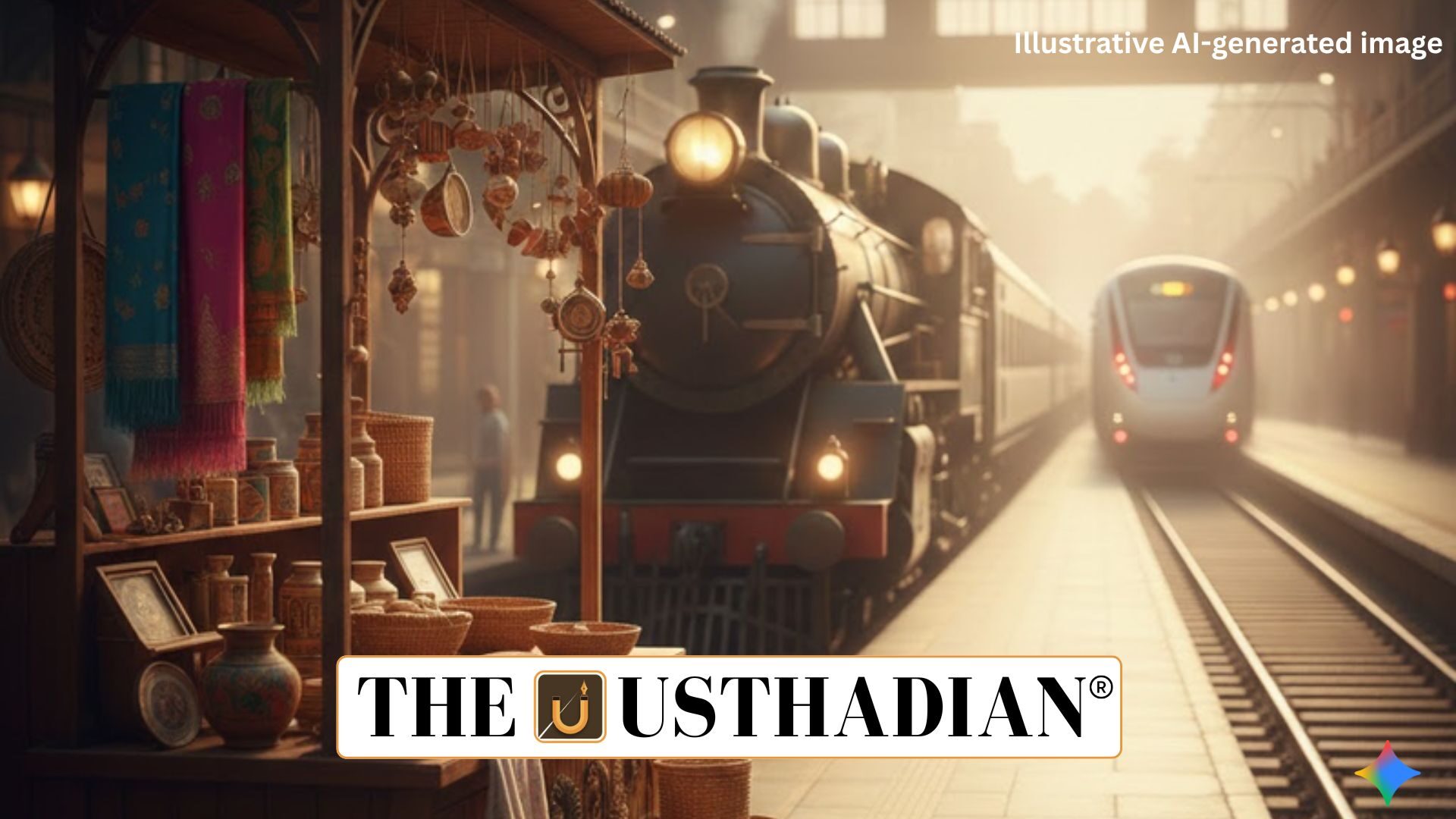
One Station One Product Revitalising Local Crafts Through Railways: The One Station One Product (OSOP) Scheme has transformed railway stations into platforms for local economic empowerment. Implemented by Indian Railways, the initiative connects grassroots producers directly with millions of daily passengers.
Railway stations are no longer only transit spaces. They now function as micro-markets for regional products, strengthening rural-urban economic linkages.
Static GK fact: Indian Railways is one of the world’s largest rail networks, operating under the Ministry of Railways with over 7,000 stations across India.
Launch and Nationwide Expansion
The OSOP scheme was launched in 2022 as part of India’s local enterprise promotion strategy. By January 2026, OSOP outlets were operational at 2,002 railway stations with 2,326 functional outlets across the network.
High passenger footfall ensures continuous consumer exposure. This transforms stations into permanent marketing spaces rather than temporary exhibition platforms.
The model ensures scalability without heavy infrastructure investment.
Economic Empowerment of Artisans
The scheme has generated direct economic opportunities for over 1.32 lakh artisans, weavers, and small entrepreneurs. Producers now sell products without middlemen, improving price realisation and income stability.
Direct market access strengthens financial independence of small producers. It also builds business confidence among first-generation entrepreneurs.
OSOP supports decentralised economic growth rather than urban-centric commercialisation.
Static GK Tip: India’s MSME sector contributes nearly 30% to GDP and employs over 11 crore people, making grassroots enterprise critical for economic stability.
Cultural Identity and Regional Diversity
OSOP outlets showcase India’s regional identity through local products. These include handloom textiles, handmade pottery, bamboo crafts, traditional spices, and indigenous sweets.
Railway stations now act as cultural display centres rather than only transport hubs. This strengthens cultural visibility for local communities.
The initiative preserves traditional skills by creating continuous demand for heritage crafts.
Alignment with National Development Vision
OSOP directly supports the government’s Vocal for Local vision. It integrates local production into national consumption networks through rail infrastructure.
The scheme also aligns with inclusive growth models, where development benefits reach village-level producers.
Railways function as economic connectors, not just transport systems.
Static GK fact: The “Vocal for Local” initiative promotes domestic manufacturing, local supply chains, and self-reliant economic ecosystems under the Atmanirbhar Bharat framework.
Revival of Traditional Crafts
Many traditional crafts were facing decline due to weak market access. OSOP provides assured visibility and consistent demand.
This stabilises livelihoods and encourages skill transmission to younger generations. Craft sustainability becomes economically viable again.
Commerce and culture are integrated into one system.
Model of Inclusive Infrastructure Development
OSOP represents a new governance model where infrastructure supports livelihoods. Railways now function as tools for social inclusion and economic justice.
It demonstrates how public infrastructure can serve both mobility and micro-enterprise development.
The scheme reflects a shift from welfare-based support to market-based empowerment.
Static Usthadian Current Affairs Table
One Station One Product Revitalising Local Crafts Through Railways:
| Topic | Detail |
| Scheme Name | One Station One Product Scheme |
| Implementing Authority | Indian Railways |
| Launch Year | 2022 |
| Operational Stations | 2,002 stations (January 2026) |
| Total Outlets | 2,326 outlets |
| Beneficiaries | Over 1.32 lakh artisans and small producers |
| Core Objective | Promote local crafts and grassroots entrepreneurship |
| National Vision Link | Vocal for Local |
| Economic Model | Direct market access without intermediaries |
| Development Impact | Inclusive growth and craft revival |