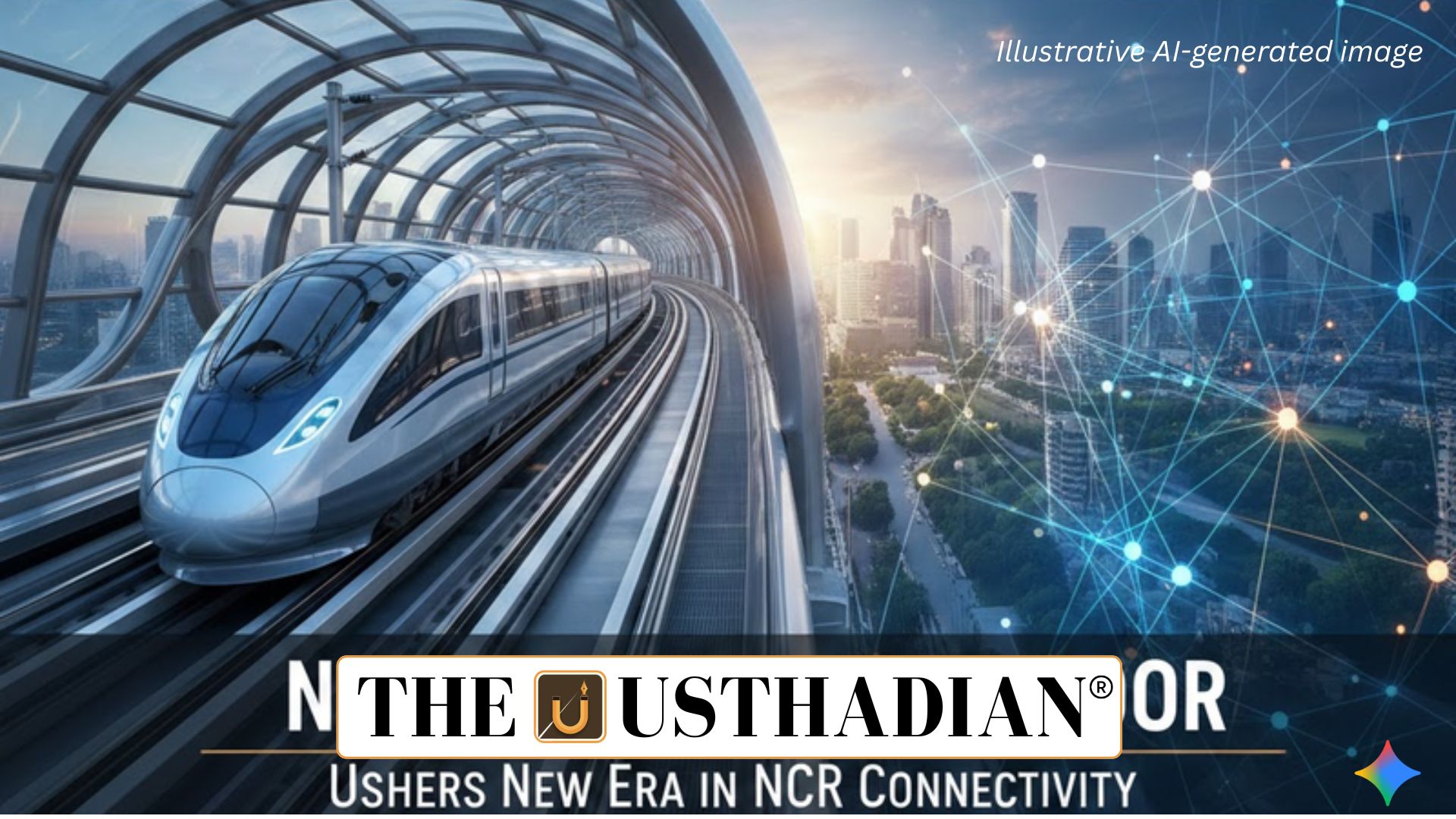
Namo Bharat
Namo Bharat Corridor Ushers New Era in NCR Connectivity: Prime Minister Narendra Modi inaugurated India’s first Namo Bharat Rapid Rail Transit System (RRTS) and dedicated the Delhi–Meerut Corridor to the nation on 22 February 2026 in Meerut. This marks a historic milestone in India’s urban transport sector.
For the first time in the country, a rapid rail and metro service operate from the same station and on the same track. The Prime Minister described it as a transformative step toward world-class infrastructure in Uttar Pradesh and the National Capital Region.
India First Integrated Rapid Rail Model
The Delhi–Meerut stretch is India’s first operational Regional Rapid Transit System corridor. Alongside the RRTS, the Meerut Metro was also inaugurated from the same platform, creating a seamless urban-regional integration model.
Passengers can now use metro services for intra-city travel and shift to high-speed Namo Bharat trains for inter-city commuting without changing stations. This integrated model reduces congestion and enhances commuter convenience.
Static GK fact: India’s first metro service started in Kolkata in 1984, making it the pioneer city in metro rail operations.
Strengthening Twin City Connectivity
The corridor strengthens the “Twin Cities” vision by integrating Delhi and Meerut into a unified economic zone. Travel time between the two cities has been significantly reduced, promoting faster business mobility.
Major integration hubs include Sarai Kale Khan, Anand Vihar, Ghaziabad, and Meerut. These stations connect with bus terminals, metro lines, and Indian Railways, enabling multimodal transport access.
Improved connectivity reduces the need for daily migration to Delhi for work. It also promotes balanced urban development across the NCR region.
Static GK Tip: The National Capital Region Planning Board was established in 1985 to promote coordinated development of Delhi and surrounding areas.
Infrastructure Push and Employment Growth
The Prime Minister highlighted that large-scale infrastructure projects such as expressways, freight corridors, and rapid rail networks are driving economic growth. He also referred to the upcoming Jewar International Airport as a major catalyst for industrial expansion.
India’s metro network has expanded rapidly over the past decade. From operations in just five cities before 2014, metro services are now functional in more than twenty-five cities, making India one of the largest metro networks globally.
Such projects generate employment during construction and create long-term opportunities in operations, maintenance, and urban services.
Women Led Operations in Namo Bharat
A notable feature of the Namo Bharat system is strong women participation. A majority of train operators and station control staff are women, showcasing inclusive workforce representation.
The Prime Minister described this as a reflection of Nari Shakti in India’s modern infrastructure landscape. It reinforces the role of women in technology-driven public transport systems.
The Delhi–Meerut Namo Bharat Corridor represents not just a transport upgrade but a structural transformation in regional planning, economic integration, and sustainable urban mobility.
Static Usthadian Current Affairs Table
Namo Bharat Corridor Ushers New Era in NCR Connectivity:
| Topic | Detail |
| Project Name | Namo Bharat Rapid Rail Transit System |
| Corridor | Delhi–Meerut |
| Inauguration Date | 22 February 2026 |
| Inaugurated By | Prime Minister Narendra Modi |
| Unique Feature | Metro and rapid rail operate from same station and track |
| Key Integration Hubs | Sarai Kale Khan, Anand Vihar, Ghaziabad, Meerut |
| State | Uttar Pradesh |
| Significance | Boost to NCR connectivity and economic integration |