Background of the Scheme
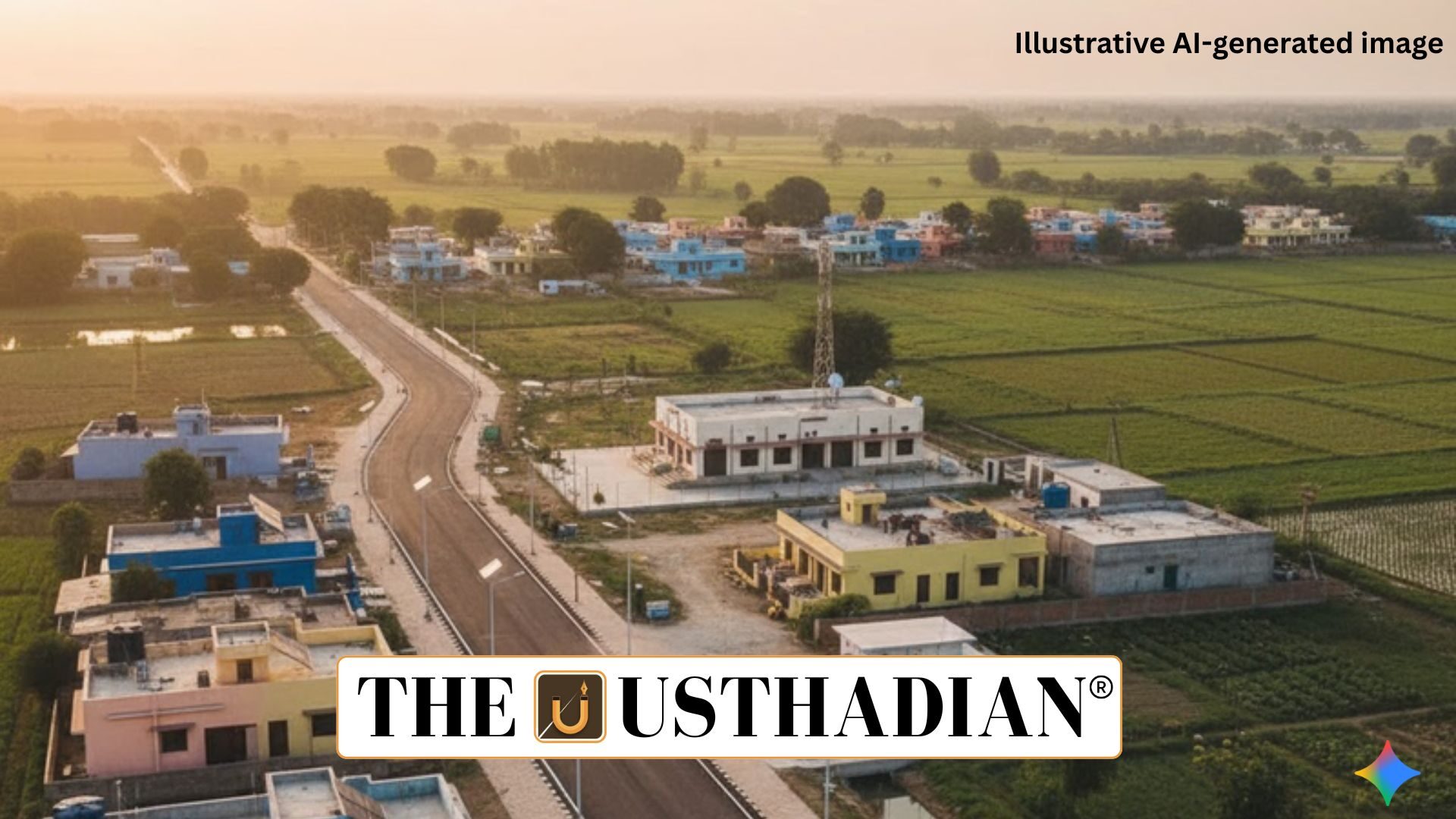
Mukhyamantri Gramotthan Yojana Transforms Gujarat Villages: The Mukhyamantri Gramotthan Yojana was launched by the Gujarat government to strengthen village-level governance and rural infrastructure. The initiative reflects a shift from welfare-driven rural policies to institution-centric development. The focus is on empowering villages as self-sufficient administrative and service delivery units.
Static GK fact: Gujarat has more than 14,000 gram panchayats functioning as the lowest tier of the Panchayati Raj system.
Infrastructure Push at the Panchayat Level
Under the first phase, 2,666 village panchayat offices-cum-talati residences are being constructed. The total financial outlay for this phase stands at ₹663 crore, indicating a large-scale capital investment in grassroots governance. These offices are expected to function as administrative hubs rather than symbolic buildings.
Static GK Tip: Talati-cum-Mantri is the key revenue and record-keeping official at the village panchayat level in Gujarat.
Bringing Governance Closer to Citizens
Modern panchayat buildings will allow villagers to access certificates, welfare schemes, and official records locally. This reduces dependency on taluka or district headquarters for routine administrative needs. Improved accessibility is expected to increase transparency, accountability, and citizen participation in governance.
Urban-Style Facilities in Rural Areas
The scheme aims to provide villages with facilities normally associated with urban settlements. Key components include better internal roads, drinking water systems, sanitation infrastructure, solar street lighting, and e-gram digital centres. Community halls are also planned to strengthen social cohesion and local decision-making.
Static GK fact: E-gram projects in Gujarat were among the earliest attempts to digitise rural governance in India.
Addressing the Rural-Urban Development Gap
Rapid urbanisation has placed immense pressure on cities for housing, employment, and basic services. The Gramotthan Yojana seeks to reverse distress migration by improving rural living conditions. Balanced development is expected to create economic activity within villages, reducing overdependence on urban centres.
Alignment with National Development Vision
The scheme aligns with the broader governance philosophy of inclusive and participatory development. Village institutions are envisioned as engines of growth rather than passive recipients of state support. This approach complements national goals of decentralisation and last-mile service delivery.
Gandhian Ideals and Gram Swaraj
The launch coincided with Martyrs’ Day, reinforcing the symbolic connection to Gram Swaraj. The emphasis on self-reliant villages echoes Mahatma Gandhi’s vision of decentralised democracy. Strengthening village institutions is seen as a moral and administrative foundation for nation-building.
Static GK Tip: Gram Swaraj emphasises political, economic, and social autonomy of villages within a democratic framework.
Long-Term Development Implications
By strengthening physical and institutional infrastructure, villages can emerge as local growth centres. The scheme has the potential to improve governance efficiency, service delivery, and rural quality of life. If implemented uniformly, it can significantly reshape Gujarat’s rural development model.
Static Usthadian Current Affairs Table
Mukhyamantri Gramotthan Yojana Transforms Gujarat Villages:
| Topic | Detail |
| Scheme Name | Mukhyamantri Gramotthan Yojana |
| State | Gujarat |
| Financial Outlay | ₹663 crore |
| Number of Panchayat Offices | 2,666 |
| Key Objective | Strengthening rural governance and infrastructure |
| Administrative Focus | Village panchayat and talati offices |
| Development Vision | Reducing rural-urban divide |
| Ideological Basis | Gram Swaraj concept |