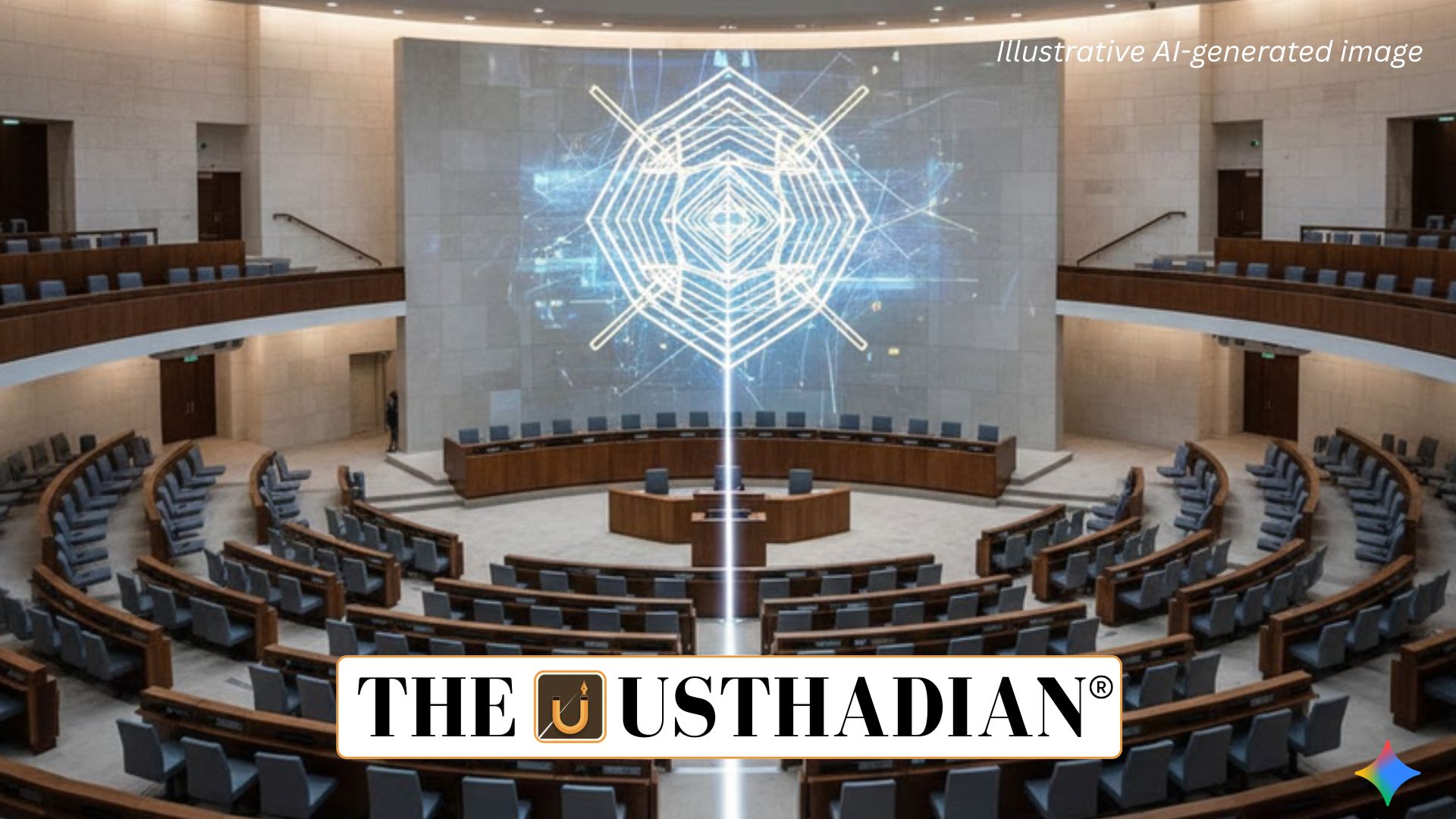
Historic Parliamentary Milestone
Modi’s Address to the Knesset Marks a New Diplomatic Chapter: Prime Minister Narendra Modi will become the first Indian Prime Minister to address the Knesset Plenum on February 25, 2026. The address is scheduled at 5:00 PM local time during his two-day visit to Israel.
This marks his second visit after the landmark 2017 Israel visit, which elevated ties to a Strategic Partnership. The parliamentary address symbolizes deep political trust between the two democracies.
Static GK fact: India formally established diplomatic relations with Israel in 1992, though it recognized Israel in 1950.
High-Level Diplomatic Engagement
During the visit, Modi will hold bilateral talks with Israeli Prime Minister Benjamin Netanyahu and President Isaac Herzog. Netanyahu has described the visit as “historic,” underlining expanding cooperation in defence, innovation, agriculture, and regional security.
India is among Israel’s largest defence partners. Cooperation spans missile systems, UAVs, cybersecurity, and border management technologies.
Static GK Tip: Israel’s capital is Jerusalem, and it follows a unicameral parliamentary system.
Programme at the Knesset
The ceremonial schedule reflects diplomatic significance. The visit begins with a formal reception at the Weil Courtyard, followed by the signing of the guestbook at the Chagall State Hall.
A special plenary session will include addresses by Knesset Speaker Amir Ohana, Prime Minister Netanyahu, Opposition Leader Yair Lapid, and Modi. Addressing the Knesset is considered one of the highest parliamentary honours extended to foreign leaders.
Understanding the Knesset
The Knesset is Israel’s unicameral legislature consisting of 120 members. It functions as the supreme legislative authority and plays a decisive role in government formation.
The Prime Minister must secure majority support within the Knesset to govern. Plenary sessions are formal sittings where major debates, legislation, and diplomatic addresses occur.
Static GK fact: Israel follows a system of proportional representation, and governments are usually formed through coalition arrangements.
Strategic and Regional Significance
The visit comes amid domestic political debates in Israel over judicial reforms and constitutional restructuring. Despite internal political tensions, bilateral cooperation remains strong.
India’s engagement reflects its balanced West Asia policy, maintaining strong relations with Israel while also nurturing ties with Arab nations and Gulf countries. This strategic autonomy enhances India’s global diplomatic leverage.
Trade between the two nations has expanded beyond defence into water management, drip irrigation technology, artificial intelligence, and start-up collaboration. Israel’s expertise in desert agriculture has been adapted in several Indian states.
The address to the Knesset reinforces the maturity of India–Israel relations and signals deeper institutional engagement at the parliamentary level. It also strengthens India’s profile as a key stakeholder in West Asian stability.
Static Usthadian Current Affairs Table
Modi’s Address to the Knesset Marks a New Diplomatic Chapter:
| Topic | Detail |
| Event | First Indian PM to address the Knesset Plenum |
| Date | February 25, 2026 |
| Location | Jerusalem, Israel |
| Israeli Parliament | Knesset |
| Members in Knesset | 120 |
| Diplomatic Ties Established | 1992 |
| Nature of Relations | Strategic Partnership |
| Key Cooperation Areas | Defence, agriculture, innovation, cybersecurity |
| Political Context | Judicial reform debate in Israel |
| Foreign Policy Angle | India’s balanced West Asia policy |