Trade revival after long suspension
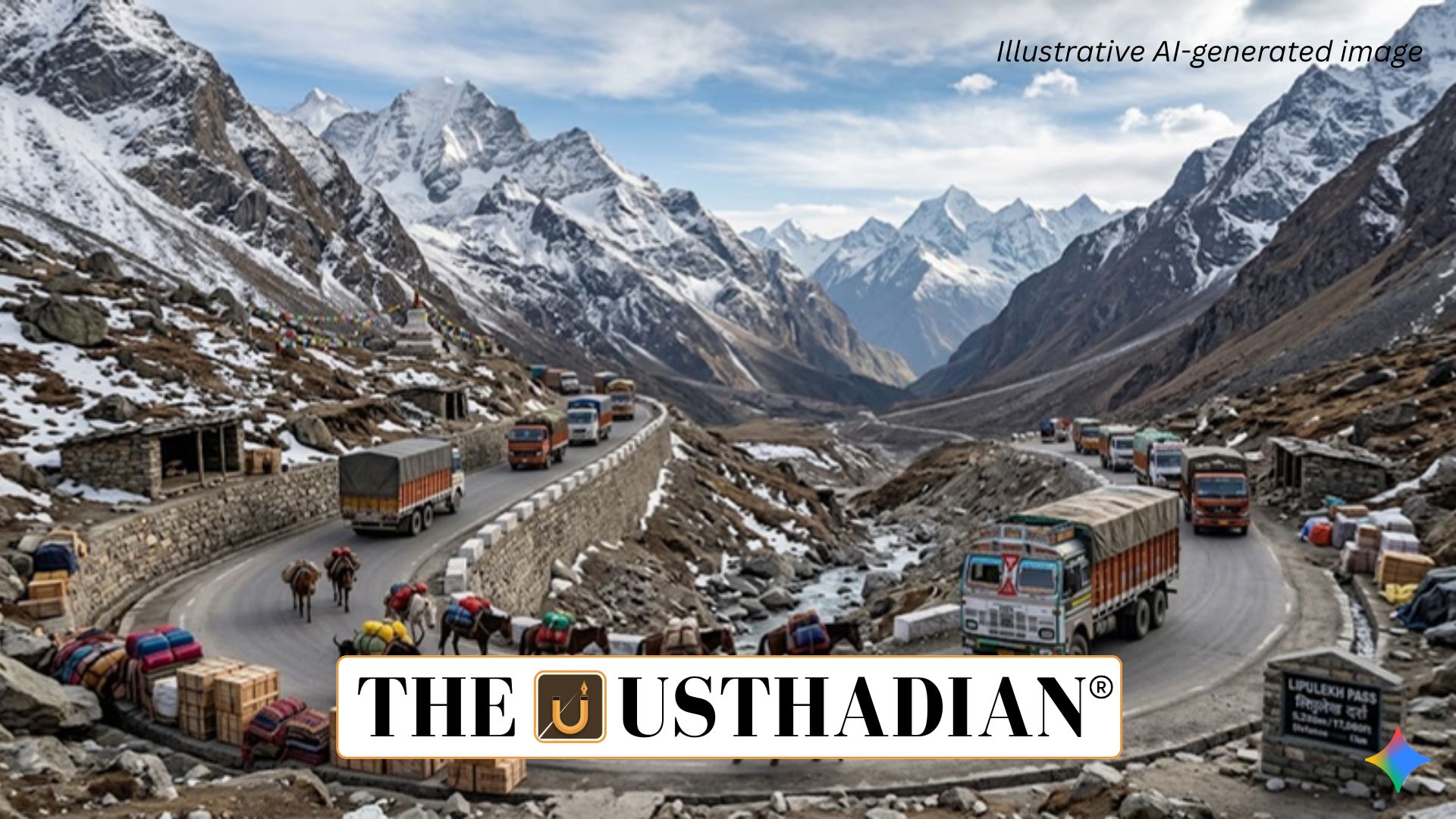
Lipulekh Pass Trade Revival Strengthens Himalayan Connectivity: India is set to resume border trade with China via Lipulekh Pass in June 2026, ending a seven-year suspension. The route was closed due to the COVID-19 pandemic and subsequent border tensions. The reopening marks a key step in restoring economic and diplomatic engagement.
Located in Uttarakhand’s Pithoragarh district, the pass has historically supported cross-border trade and livelihoods. The trade season generally runs from June to September, depending on weather conditions.
Static GK fact: Lipulekh Pass lies at an altitude of around 5,000 meters and connects India with Tibet (China).
Importance of Lipulekh trade route
The Lipulekh Pass trade route plays a vital role in sustaining the local Himalayan economy. It enables the exchange of goods such as wool, spices, textiles, and daily-use items. For border communities, this seasonal trade acts as a major income source.
The revival will boost local traders, small businesses, and transport networks. It also strengthens traditional cultural ties between communities living across the border.
Static GK Tip: Border trade in India is regulated under specific agreements to promote economic activity in remote regions.
Diplomatic efforts behind reopening
The decision follows high-level talks between National Security Advisor Ajit Doval and Chinese Foreign Minister Wang Yi in August 2025. Both sides agreed to restore multiple border trade points to improve bilateral relations.
Along with Lipulekh, other routes like Shipki La (Himachal Pradesh) and Nathu La (Sikkim) are also part of the agreement. This indicates a broader effort to stabilize India-China relations.
Static GK fact: Nathu La is one of the most important border passes reopened for trade between India and China in 2006.
Preparations in Uttarakhand
Authorities in Pithoragarh district have begun preparations to ensure smooth functioning of trade activities. The administration is coordinating with traders and agencies to rebuild necessary infrastructure.
Key arrangements include transit camps, banking services, medical facilities, and secure communication systems. These measures aim to facilitate safe and efficient trade operations.
Static GK Tip: Pithoragarh is often called the “Little Kashmir” of Uttarakhand due to its scenic Himalayan landscapes.
Economic relief for border communities
The closure since 2020 caused significant financial losses to traders and affected many families dependent on this trade. The reopening brings renewed hope for economic recovery and livelihood restoration.
The move is expected to revive economic activity in border villages and enhance regional development. It also contributes to improving connectivity in remote Himalayan regions.
Broader strategic significance
Beyond economics, the reopening reflects improving diplomatic engagement between India and China. It signals a cautious step toward rebuilding trust after years of tensions.
Strengthening such trade routes also enhances border area development and national integration. It ensures that remote regions remain economically active and strategically secure.
Static Usthadian Current Affairs Table
Lipulekh Pass Trade Revival Strengthens Himalayan Connectivity:
| Topic | Detail |
| Event | Resumption of Lipulekh Pass trade |
| Year of Restart | 2026 |
| Location | Pithoragarh district, Uttarakhand |
| Suspension Reason | COVID-19 pandemic and border tensions |
| Key Officials | Ajit Doval and Wang Yi |
| Other Passes | Shipki La, Nathu La |
| Trade Season | June to September |
| Importance | Supports local economy and connectivity |
| Strategic Value | Improves India-China relations |
| Beneficiaries | Border traders and local communities |