Historic decision by Kerala
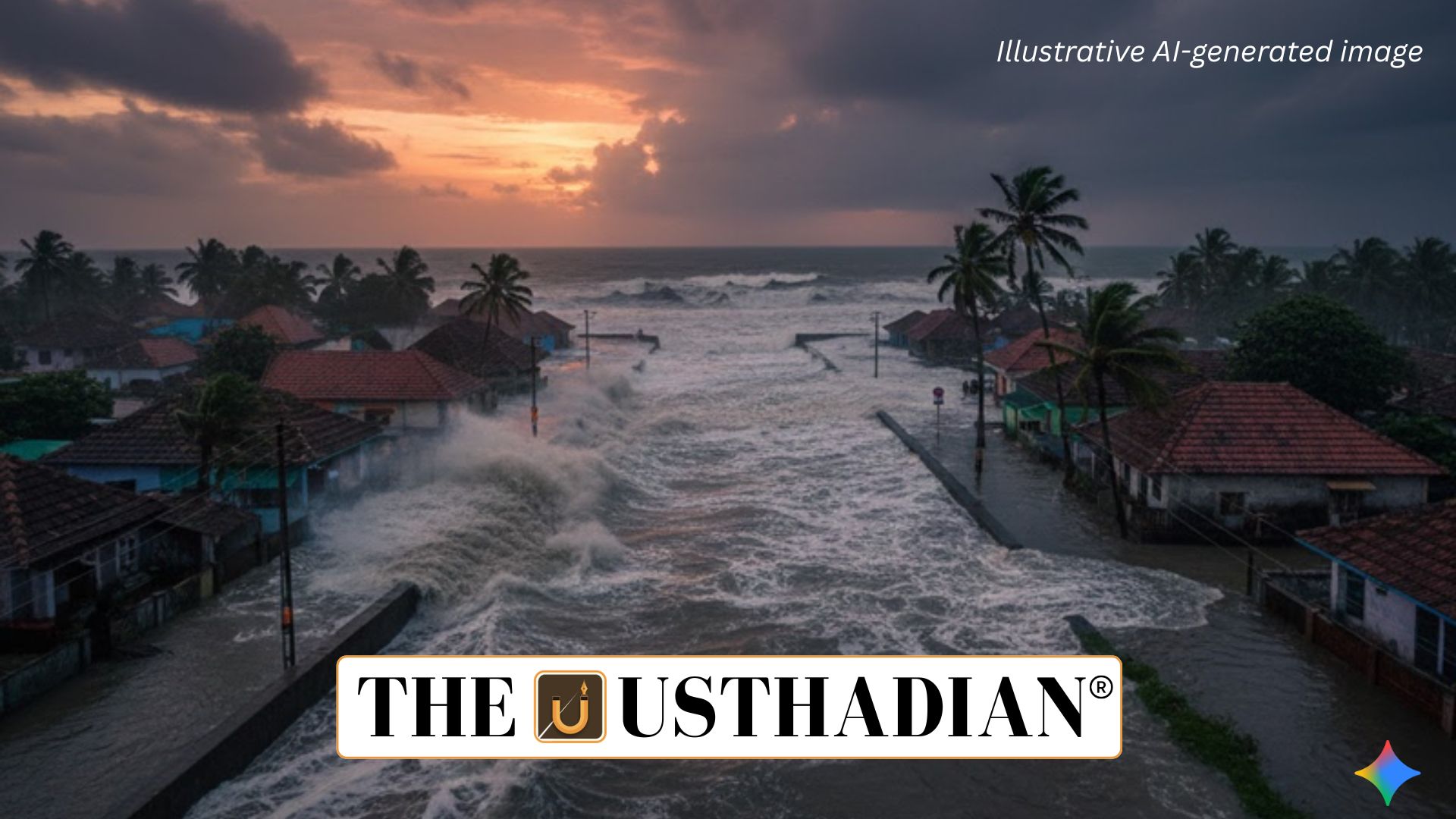
Kerala Recognises Tidal Flooding as State Disaster Category: The Kerala Government declared tidal flooding as a State-specific disaster in February 2026, becoming the first State in India to officially recognise this phenomenon. This decision allows affected families to receive financial compensation through the State Disaster Response Fund (SDRF). Previously, tidal flooding was not eligible for disaster relief because it was considered a regular tidal occurrence.
This move is significant as repeated sea water intrusion has damaged houses, agricultural lands, and livelihoods in coastal regions. The declaration ensures victims receive relief similar to those affected by cyclones or monsoon floods.
Static GK fact: The State Disaster Response Fund (SDRF) is established under the Disaster Management Act, 2005 to provide immediate relief during natural disasters.
Understanding tidal flooding
Tidal flooding occurs when the Arabian Sea rises above normal levels, flooding nearby low-lying coastal areas. Unlike storm surges caused by cyclones, tidal flooding happens naturally and regularly, especially during full moon and new moon phases, known as spring tides.
During this time, seawater flows inland through rivers, canals, and backwaters, increasing flood intensity. The flooding becomes more severe when high tides coincide with storms or heavy rainfall. In Kerala, this phenomenon affects coastal infrastructure and disrupts fishing and agriculture.
Static GK Tip: The Arabian Sea forms the western boundary of India and influences the climate and coastal ecosystem of Kerala.
Legal support under Disaster Management Act
The declaration is legally supported by Section 2(d) of the Disaster Management Act, 2005, which allows States to classify any natural event as a disaster if it causes significant damage. Kerala invoked this provision after observing frequent tidal flooding exceeding normal limits.
This classification ensures affected people receive compensation, rehabilitation support, and infrastructure restoration. It also strengthens disaster preparedness and coastal protection policies in the State.
Static GK fact: The Disaster Management Act, 2005, established the National Disaster Management Authority (NDMA), headed by the Prime Minister of India.
Coastal geography increases risk
Kerala’s unique coastal geography makes it highly vulnerable to tidal flooding. Regions such as Kuttanad in Alappuzha district lie below sea level, increasing flood risk. Major coastal areas including Kochi, Vypin, Chellanam, Edakochi, and Kumbalanghi face repeated sea water intrusion.
Approximately 10% of Kerala’s population lives in coastal areas, making them vulnerable to such disasters. Factors like river siltation, urban expansion, and reduced drainage capacity worsen the situation. Unlike monsoon floods, tidal flooding can occur throughout the year.
Static GK fact: Kuttanad is known as the Rice Bowl of Kerala and is one of the few regions in the world where farming is done below sea level.
Other State-specific disasters in Kerala
Kerala has previously declared several State-specific disasters such as coastal erosion, lightning, heatwaves, sunstroke, and human-wildlife conflict. In May 2025, the shipwreck of MSE Elsa 3, which capsized off Kerala’s coast, was also declared a State disaster due to environmental and economic impacts.
These classifications help Kerala provide faster relief and improve disaster management systems. The recognition of tidal flooding reflects growing concerns about coastal vulnerability and climate-related sea level rise.
Static Usthadian Current Affairs Table
Kerala Recognises Tidal Flooding as State Disaster Category:
| Topic | Detail |
| State | Kerala |
| Disaster Declared | Tidal flooding |
| Year of declaration | 2026 |
| Legal provision | Section 2(d) of Disaster Management Act, 2005 |
| Relief fund used | State Disaster Response Fund (SDRF) |
| Major sea affecting Kerala | Arabian Sea |
| Vulnerable region | Kuttanad, Alappuzha district |
| Tide type causing floods | Spring tides during full and new moon |
| Population affected | Around 10% of Kerala population |
| Other disasters declared | Coastal erosion, lightning, heatwave, shipwreck MSE Elsa 3 |