Addressing the invasive species challenge
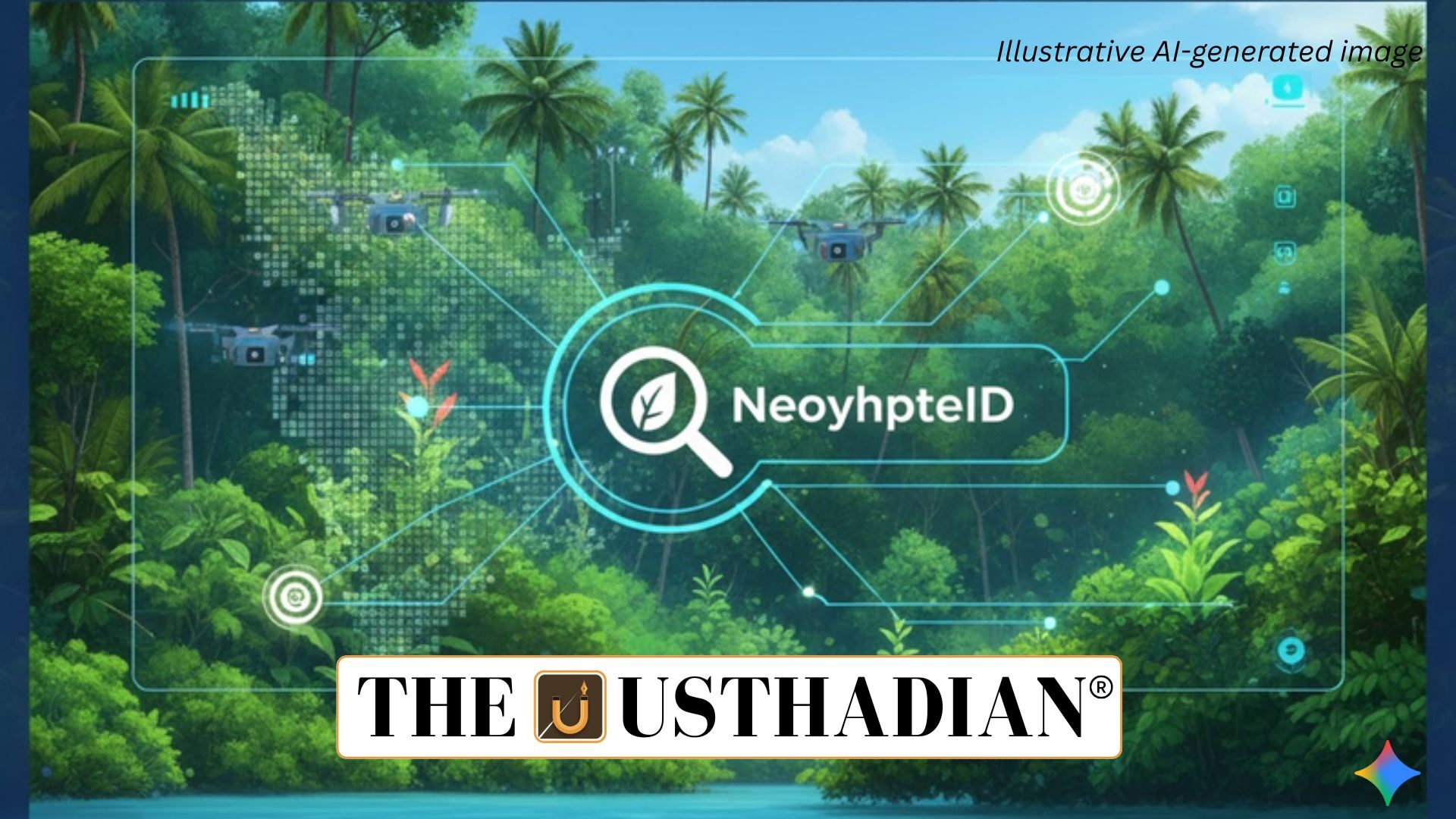
Kerala Launches NeophyteID for Invasive Plant Detection: Kerala is preparing to launch NeophyteID, an AI-powered mobile application aimed at identifying and managing invasive plant species. The formal launch will take place at the Kerala Science Congress, highlighting the state’s push towards technology-driven environmental protection.
Invasive plants pose a serious threat to native ecosystems by outcompeting local flora. Kerala’s ecological vulnerability makes early detection and rapid response crucial for conservation efforts.
AI-powered identification system
NeophyteID has been developed by researchers from the Malabar Botanical Garden and Institute for Plant Sciences. The application uses artificial intelligence to identify non-native plants, commonly referred to as neophytes, through images captured using a smartphone camera.
The app is powered by the YOLOv11 machine learning model, which enables quick and accurate image recognition. Geospatial tagging allows each identification to be linked with location data, improving ecological monitoring accuracy.
Static GK fact: Artificial intelligence models like YOLO are widely used in object detection due to their speed and accuracy in real-time image analysis.
Real-time mapping and citizen science
Each verified identification through NeophyteID contributes to a real-time distribution map of invasive plant species across Kerala. This mapping supports scientific research, conservation planning, and policy-level decision-making.
The app is available in English and Malayalam, ensuring inclusivity. Students, local residents, amateur naturalists, and trained ecologists can all contribute, strengthening citizen science participation in biodiversity conservation.
Static GK Tip: Citizen science initiatives are increasingly used worldwide to collect large-scale environmental data at low cost.
Community-driven origins
The idea for NeophyteID emerged from field interactions with indigenous tribal communities at Sughandagiri Tribal Eco Village in Wayanad. During an invasive plant removal drive, native species were accidentally uprooted due to misidentification.
This highlighted the urgent need for an accurate and accessible identification tool. A web-based prototype was later developed under scientific guidance, eventually evolving into a full-scale mobile application.
Ecological significance for Kerala
Kerala lies along the Western Ghats, one of the world’s biodiversity hotspots. The region hosts numerous endemic plant species that are highly sensitive to ecological disturbances.
Static GK fact: The Western Ghats are recognised as a UNESCO World Heritage Site for their exceptional biological diversity.
Scope and future potential
Currently, NeophyteID has been trained using data on nearly 98 invasive plant species found in Kerala. Users can identify plants in forests, public spaces, and even home gardens, ensuring native species are protected during removal efforts.
The application is expected to improve early detection, minimise ecological damage, and integrate technology with grassroots conservation, setting a model for AI-based environmental governance in India.
Static Usthadian Current Affairs Table
Kerala Launches NeophyteID for Invasive Plant Detection:
| Topic | Detail |
| App Name | NeophyteID |
| Purpose | Identification of invasive plant species |
| Technology Used | Artificial intelligence and image recognition |
| Model Applied | YOLOv11 machine learning model |
| Launch Platform | Kerala Science Congress |
| Languages Supported | English and Malayalam |
| Species Coverage | Nearly 98 invasive plant species |
| Ecological Region | Western Ghats biodiversity hotspot |