India Moves to Second Place Globally
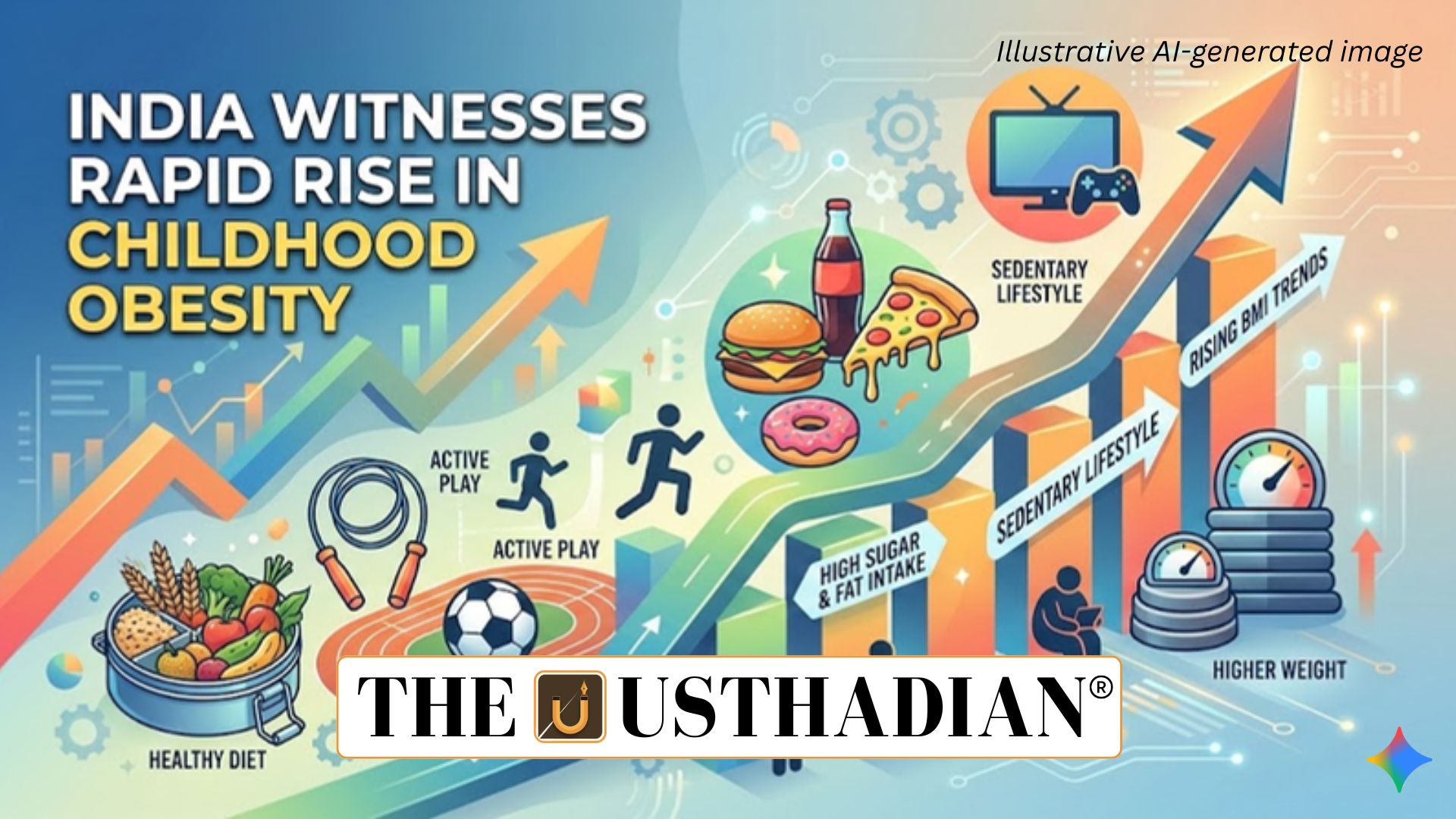
India Witnesses Rapid Rise in Childhood Obesity: India has emerged as the second-highest country in the world for childhood obesity, surpassing the United States, according to the World Obesity Atlas 2026 published by the World Obesity Federation. The report compiles global data up to 2025 and highlights the rapid increase in obesity among children and adolescents.
India currently ranks behind China, which holds the highest number of children with obesity. The findings show that approximately 41 million Indian children have high Body Mass Index (BMI) levels. Out of these, nearly 14 million children are already living with obesity, indicating a growing public health concern.
Static GK fact: The World Obesity Federation is a global organization that works with governments and health institutions to reduce obesity and related non-communicable diseases.
Current Situation Among Indian Children
The World Obesity Atlas 2026 highlights alarming trends among children aged 5 to 19 years. In 2025, nearly 14.9 million children aged 5–9 years were classified as overweight or obese.
Among adolescents aged 10–19 years, more than 26 million individuals fall under the overweight or obese category. This sharp increase places India among the leading nations contributing to the global burden of childhood obesity.
Globally, the proportion of children aged 5–19 years living with overweight or obesity has reached 20.7%, marking an increase of 14.6% since 2010. Countries expected to report more than 10 million children with high BMI include China, India, and the United States.
Static GK Tip: Body Mass Index (BMI) is a widely used indicator calculated as weight in kilograms divided by height in meters squared to assess whether a person has a healthy body weight.
Future Projections for 2040
The projections for 2040 indicate a significant increase in obesity among Indian children if current trends continue. The report estimates that 20 million children in India could be living with obesity by that time.
In addition, nearly 56 million children may become either overweight or obese. The report also predicts a rise in several BMI-related health conditions among children.
Cases of BMI-related hypertension may increase from 2.99 million to 4.21 million, while hyperglycaemia cases could rise from 1.39 million to 1.91 million. Similarly, cases of high triglycerides are projected to grow from 4.39 million to 6.07 million.
Key Reasons Behind Rising Childhood Obesity
Several lifestyle and nutritional factors are contributing to the rapid increase in obesity among children in India. A major concern is that nearly 74% of adolescents aged 11–17 years do not meet the recommended physical activity levels.
Dietary patterns have also shifted significantly. The increased consumption of sugar-sweetened beverages and processed foods has contributed to rising obesity levels. Additionally, only 35.5% of school-age children have access to school meal programmes, limiting balanced nutritional intake.
Early-life factors also play a role. Around 32.6% of infants under five months receive sub-optimal breastfeeding, which may affect long-term metabolic health.
Health Risks Associated with High BMI
Childhood obesity significantly increases the risk of developing non-communicable diseases later in life. Children with high BMI are more vulnerable to conditions such as hypertension, Type 2 diabetes, cardiovascular diseases, and metabolic disorders.
Globally, by 2040, around 57 million children may show early signs of cardiovascular disease, while approximately 43 million children could develop hypertension due to obesity-related risk factors.
These projections highlight the need for urgent public health interventions to prevent long-term disease burdens.
Need for Policy and Preventive Measures
Health experts and international organizations have called for coordinated policy actions to address childhood obesity. Key strategies include strengthening healthy food environments in schools and limiting the marketing of unhealthy foods to children.
Governments are also encouraged to introduce taxes on sugar-sweetened beverages, expand early obesity screening in primary healthcare, and promote regular physical activity among children and adolescents.
Effective implementation of these measures could significantly reduce the future burden of obesity-related diseases.
Static Usthadian Current Affairs Table
India Witnesses Rapid Rise in Childhood Obesity:
| Topic | Detail |
| Report | World Obesity Atlas 2026 |
| Organization | World Obesity Federation |
| India Global Rank | Second highest childhood obesity burden |
| Children with High BMI | Around 41 million |
| Children Living with Obesity | About 14 million |
| Projection for 2040 | 20 million children expected to have obesity |
| Global Trend | 20.7 percent of children aged 5–19 overweight or obese |
| Major Risk Factors | Physical inactivity, sugary beverages, poor nutrition |
| Health Risks | Hypertension, diabetes, cardiovascular diseases |
| Policy Recommendations | Healthy school meals, sugar taxes, physical activity promotion |