Introduction to the EMI Scheme
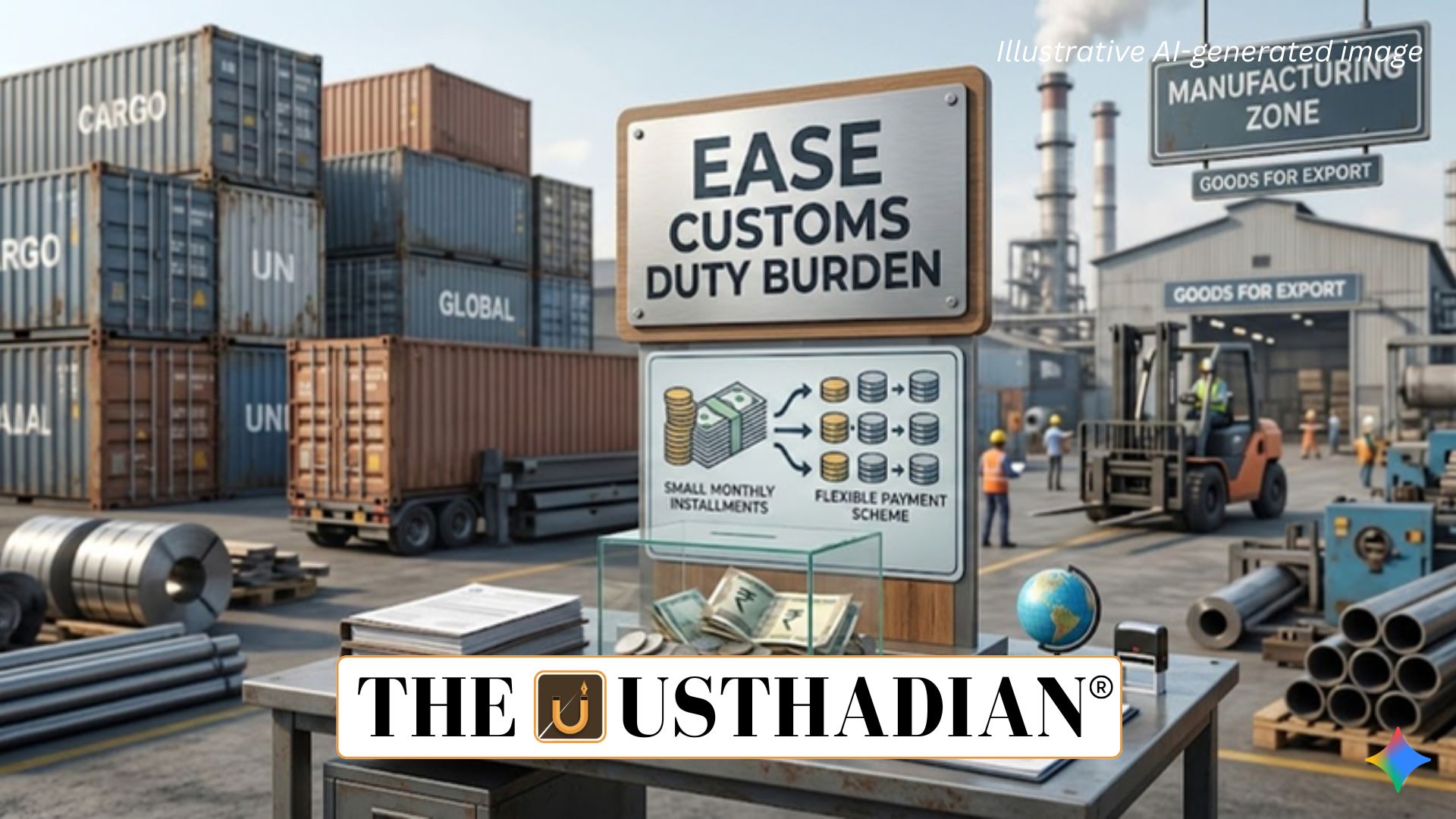
EMI Scheme to Ease Customs Duty Burden for Manufacturers: The Central Board of Indirect Taxes and Customs (CBIC) has introduced the Eligible Manufacturer Importers (EMI) Scheme to provide a deferred Customs duty payment facility for qualified manufacturers. The scheme allows importers involved in manufacturing to clear goods from Customs without paying duty immediately at the time of clearance.
Instead, the Customs duty is paid later on a monthly basis, improving financial flexibility for manufacturing firms. This initiative reflects the government’s focus on simplifying trade procedures and strengthening the manufacturing ecosystem in India.
Launch and Implementation Period
The scheme was announced in the Union Budget 2026–27 as part of broader trade facilitation reforms. It will remain operational for a two-year period from 1 April 2026 to 31 March 2028.
During this period, eligible manufacturers importing raw materials, components, or capital goods can benefit from deferred duty payments. The implementation is overseen by the CBIC, which functions under the Department of Revenue in the Ministry of Finance.
Static GK fact: The CBIC was earlier known as the Central Board of Excise and Customs (CBEC) before being renamed in 2018 after the implementation of GST reforms.
Mechanism of Deferred Duty Payment
Under the EMI Scheme, Eligible Manufacturer Importers (EMIs) can clear imported consignments without immediate payment of Customs duty. Instead of paying duty at the port during clearance, importers settle the accumulated duty once a month.
This system operates according to the Deferred Payment of Import Duty Rules, 2016, which already allow select importers to defer duty payments. The EMI scheme expands this facility specifically for manufacturing entities, reducing liquidity pressure during frequent imports.
The monthly settlement mechanism enables manufacturers to manage working capital more efficiently, especially in sectors that rely heavily on imported raw materials or intermediate goods.
Static GK Tip: Customs duties in India are governed under the Customs Act, 1962, which regulates import and export taxation, valuation, and clearance procedures.
Objectives of the EMI Scheme
The EMI Scheme aims to strengthen India’s industrial ecosystem by addressing financial and procedural challenges faced by manufacturers.
One of the primary objectives is improving cash flow management for manufacturing units. When importers are not required to pay duty immediately, they can allocate funds toward production, technology upgrades, and supply chain operations.
Another objective is promoting voluntary compliance in customs procedures. Monthly payment systems with structured reporting improve transparency and reduce procedural delays.
The scheme also contributes to the government’s broader vision of boosting domestic manufacturing and industrial competitiveness. By lowering immediate financial pressure during imports, manufacturers can scale operations more efficiently.
Role in Ease of Doing Business
Trade facilitation measures like the EMI Scheme are aligned with India’s commitment to improving the Ease of Doing Business environment. Simplified duty payment procedures reduce transaction costs and administrative delays at ports.
The initiative also complements national manufacturing initiatives such as Make in India, which aims to increase the share of manufacturing in India’s GDP.
Static GK fact: The Make in India initiative was launched in 2014 to transform India into a global manufacturing hub.
By enabling smoother import operations for manufacturers, the EMI Scheme strengthens India’s trade logistics and industrial growth strategy.
Static Usthadian Current Affairs Table
EMI Scheme to Ease Customs Duty Burden for Manufacturers:
| Topic | Detail |
| Scheme Name | Eligible Manufacturer Importers (EMI) Scheme |
| Implementing Authority | Central Board of Indirect Taxes and Customs (CBIC) |
| Announcement | Union Budget 2026–27 |
| Duration | 1 April 2026 – 31 March 2028 |
| Key Feature | Deferred payment of Customs duty for manufacturers |
| Payment Mechanism | Monthly settlement instead of payment during clearance |
| Governing Rule | Deferred Payment of Import Duty Rules, 2016 |
| Main Objective | Improve cash flow and support domestic manufacturing |
| Policy Focus | Trade facilitation and ease of doing business |