CBDC
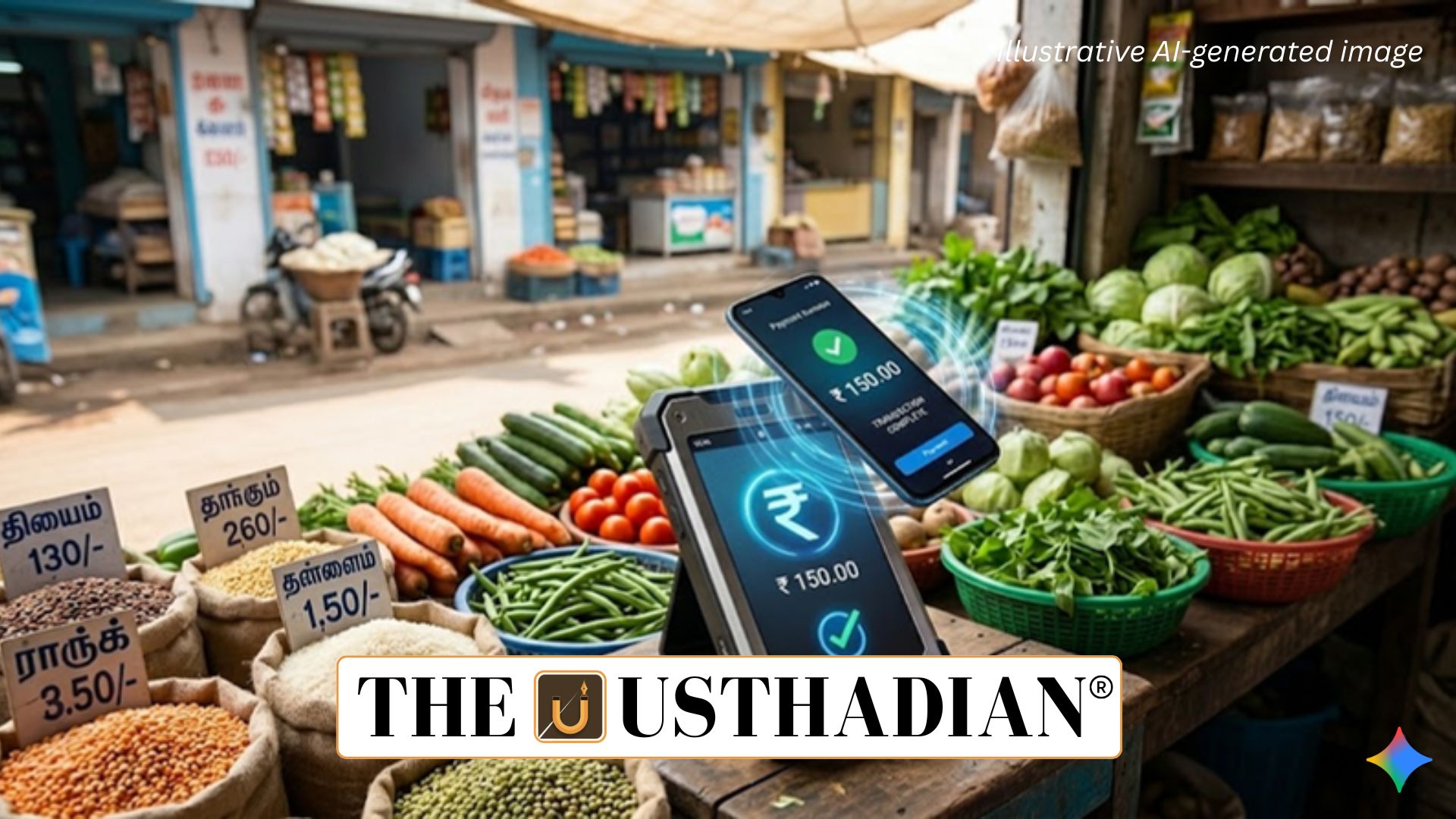
Digital Rupee Food Subsidy Pilot Begins in Puducherry: The Government of India launched a CBDC-based Food Subsidy Distribution Pilot on 26 February 2026 in Puducherry. The initiative operates under the Pradhan Mantri Garib Kalyan Anna Yojana (PMGKAY) and introduces the Digital Rupee (e₹) into food subsidy delivery.
The objective is to improve transparency, traceability, and efficiency in subsidy transfers. This marks a significant step in integrating digital currency with welfare schemes.
CBDC Integrated into PMGKAY Framework
Under this pilot, food subsidies are converted into programmable digital tokens. These tokens are credited directly into beneficiaries’ CBDC wallets instead of traditional bank transfers.
The digital tokens are purpose-bound. They can be used only at authorized Fair Price Shops (FPS) for purchasing entitled foodgrains.
Static GK fact: PMGKAY was launched in 2020 to provide free foodgrains to eligible beneficiaries under the National Food Security Act, 2013.
What Is CBDC and Its Role
A Central Bank Digital Currency (CBDC) is a digital form of sovereign currency issued by a central bank. In India, it is issued by the Reserve Bank of India (RBI).
Unlike cryptocurrencies, CBDC is a legal tender backed by the government. The RBI began CBDC pilot projects in 2022 for both wholesale and retail segments.
In this food subsidy model, the Digital Rupee ensures secure, instant, and traceable transactions. It prevents diversion and misuse of subsidy funds.
Static GK Tip: The RBI was established in 1935 under the RBI Act, 1934, and nationalized in 1949.
Implementation Structure
The pilot is being implemented through coordinated efforts of multiple agencies. Key stakeholders include:
- Government of India
- Government of Puducherry
- Reserve Bank of India (RBI)
- Public Financial Management System (PFMS)
- Canara Bank as the banking partner
The Public Financial Management System (PFMS) manages fund flow and tracking under various Direct Benefit Transfer schemes.
The pilot was inaugurated by Union Minister Pralhad Joshi in the presence of Puducherry’s Lieutenant Governor and Chief Minister.
Static GK fact: Puducherry is a Union Territory with a unique administrative structure and consists of four geographically separated districts—Puducherry, Karaikal, Mahe, and Yanam.
Key Advantages of the Pilot
The CBDC-based model strengthens the existing Direct Benefit Transfer (DBT) ecosystem. It introduces real-time tracking of subsidy usage.
Major benefits include:
- Higher transparency in subsidy delivery
- Reduced leakages in the Public Distribution System
- Purpose-bound utilization of funds
- Enhanced beneficiary empowerment
Since the tokens can be used only for purchasing entitled foodgrains, diversion is minimized. This enhances accountability in welfare implementation.
The initiative also strengthens India’s digital public infrastructure, aligning with the broader push toward financial digitization and efficient welfare governance.
If successful, the Puducherry model may serve as a template for expanding CBDC-based welfare transfers across other states and Union Territories.
Static Usthadian Current Affairs Table
Digital Rupee Food Subsidy Pilot Begins in Puducherry:
| Topic | Detail |
| Scheme | PMGKAY |
| Launch Date of Pilot | 26 February 2026 |
| Location | Puducherry |
| Currency Used | Digital Rupee (e₹) |
| Issuing Authority | Reserve Bank of India |
| Implementation System | PFMS |
| Banking Partner | Canara Bank |
| Objective | Transparent and traceable food subsidy delivery |