Overview of the recent report
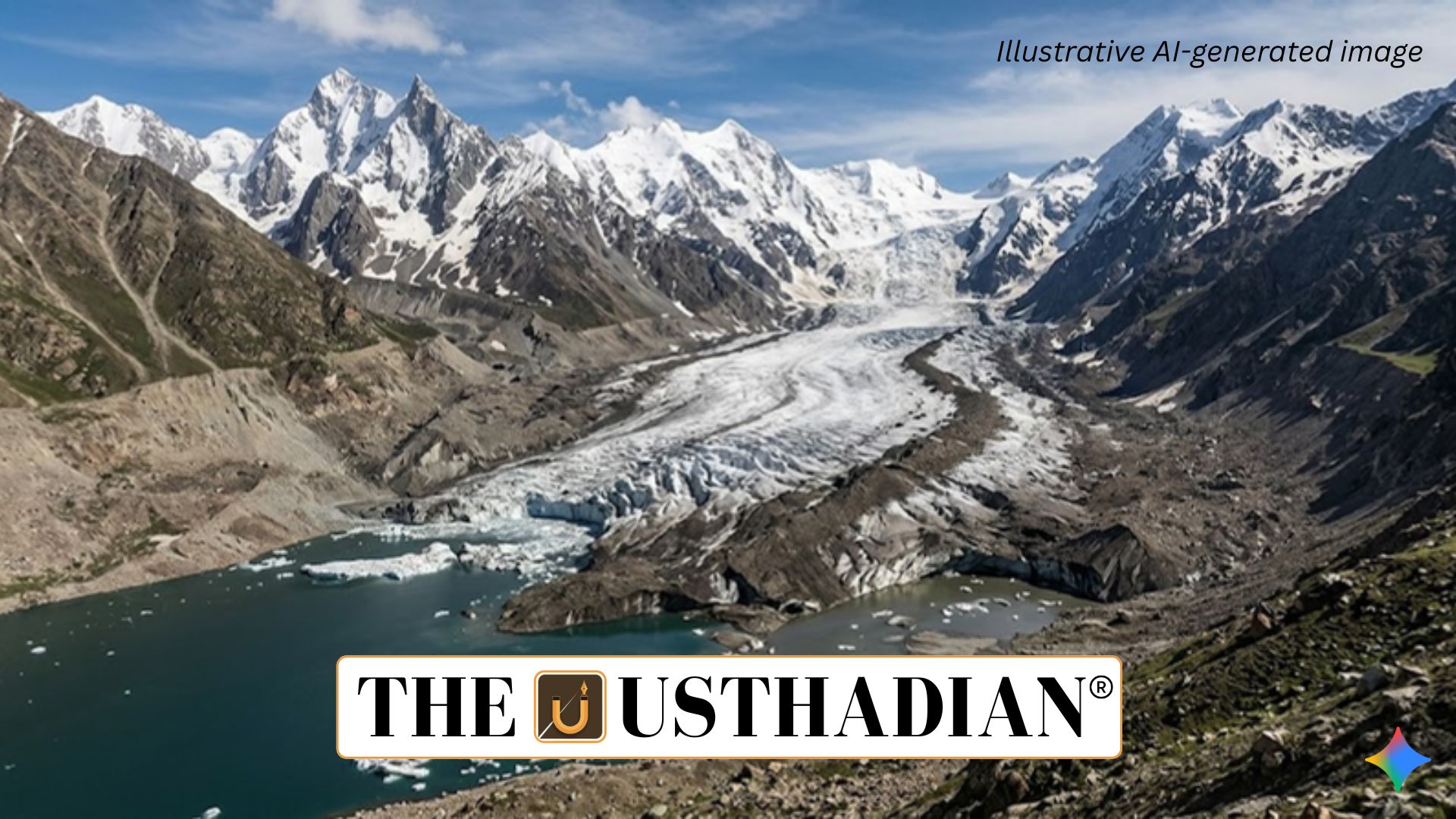
Changing Dynamics of Glaciers in Hindu Kush Himalaya: The report titled ‘Changing dynamics of glaciers in the Hindu Kush Himalayan region from 1990 to 2020’ was released by the International Centre for Integrated Mountain Development (ICIMOD). It provides a comprehensive assessment of glacier changes over three decades.
The findings highlight alarming trends of glacier loss and retreat, indicating the growing impact of climate change in the region. The study covers multiple river basins that sustain millions of people.
Static GK fact: The Hindu Kush Himalayan (HKH) region spans across eight countries, including India, Nepal, Bhutan, China, and Pakistan.
About ICIMOD
ICIMOD is an intergovernmental organization focused on sustainable development in mountain regions. It acts as a knowledge-sharing platform for member countries.
India is one of the regional member countries, actively participating in climate and environmental initiatives. The organization plays a key role in addressing glacier-related challenges and promoting resilience.
Static GK Tip: ICIMOD headquarters is located in Kathmandu, Nepal, making it central to Himalayan research.
Key findings of the report
The report reveals that glacier number loss has doubled in recent years. It increased from -5.4% between 1990–2010 to nearly -10% in the last decade, showing accelerated melting.
There is a 12% reduction in total glacier area and about a 9% decline in ice reserves. This indicates not just shrinking glaciers but also thinning ice mass.
The basin-wise analysis shows varied impacts. The Indus River basin lost about 6% of glacier area, while the Ganga basin saw a sharp 21% decline. The Brahmaputra basin recorded a 16% reduction, reflecting uneven regional vulnerability.
Static GK fact: The Indus, Ganga, and Brahmaputra rivers originate from Himalayan glaciers and are crucial for South Asia’s water security.
Causes of glacier retreat
The primary driver of glacier loss is global warming, leading to rising temperatures in high-altitude regions. Increased black carbon deposition also accelerates melting by absorbing more heat.
Changes in precipitation patterns and reduced snowfall contribute to the imbalance between accumulation and melting. Human activities and industrial emissions further intensify these impacts.
Static GK Tip: Black carbon is a component of air pollution that significantly affects snow and ice melting.
Impacts on water and ecosystems
Glacier retreat affects river flow patterns, initially increasing water availability but eventually causing long-term shortages. This impacts agriculture, drinking water, and hydropower generation.
The region also faces risks of glacial lake outburst floods (GLOFs), which can lead to sudden disasters. Biodiversity and fragile mountain ecosystems are under increasing stress.
Way forward
The report emphasizes the need for regional cooperation and stronger climate action. Sustainable water management and monitoring systems are essential.
Investment in climate adaptation strategies and scientific research will help mitigate future risks. Protecting the HKH region is crucial for ensuring long-term ecological balance and human survival.
Static Usthadian Current Affairs Table
Changing Dynamics of Glaciers in Hindu Kush Himalaya:
| Topic | Detail |
| Report Title | Changing dynamics of glaciers in HKH |
| Released By | ICIMOD |
| Region Covered | Hindu Kush Himalaya |
| Glacier Loss Trend | Increased from -5.4% to -10% |
| Total Area Reduction | 12% decline |
| Ice Reserve Loss | 9% decline |
| Indus Basin Loss | 6% |
| Ganga Basin Loss | 21% |
| Brahmaputra Basin Loss | 16% |
| Key Concern | Climate change and glacier retreat |