Clean Energy Blueprint Overview
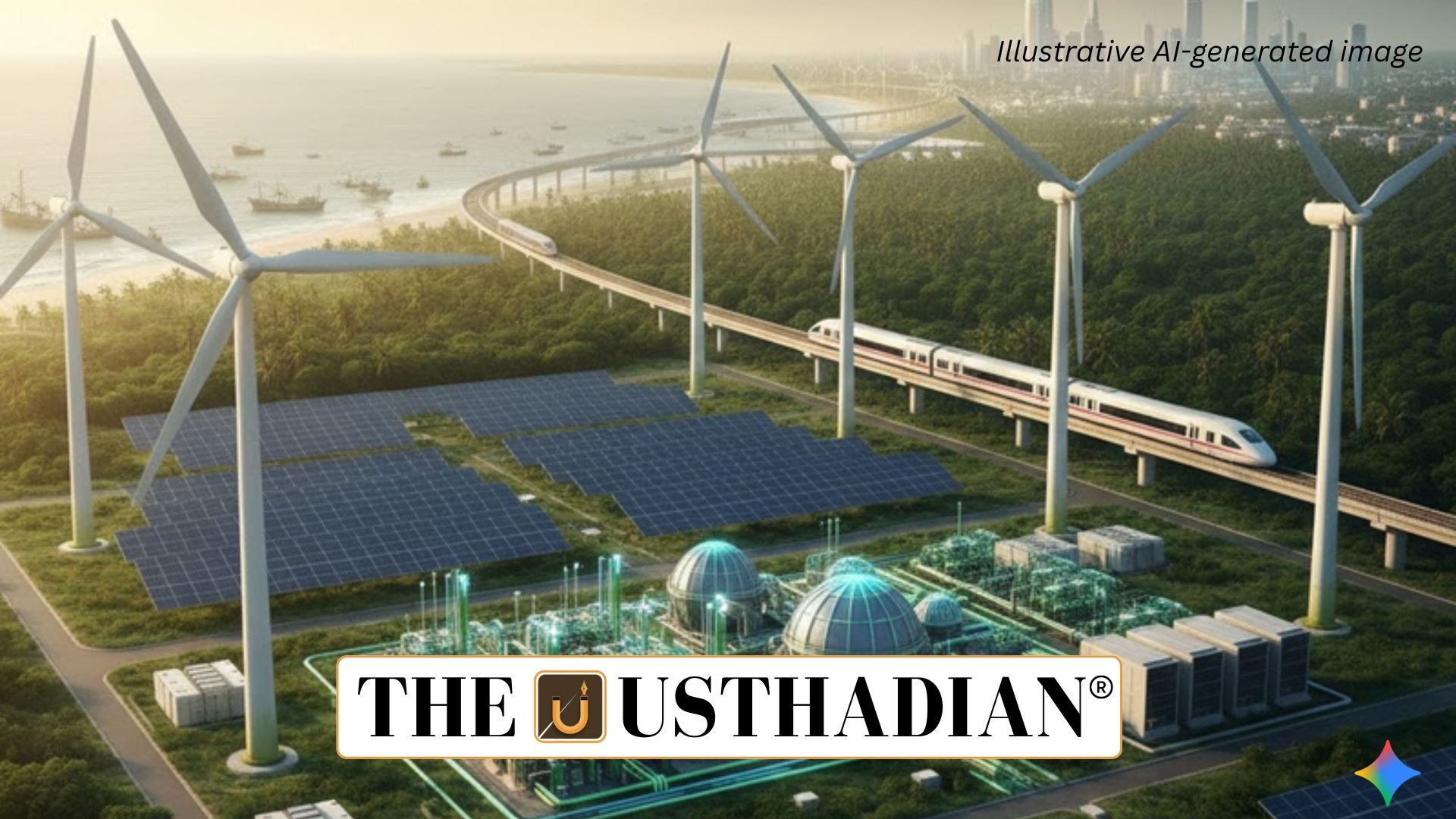
Andhra Pradesh Clean Energy Hub Vision 2035: NITI Aayog has drafted a comprehensive blueprint to transform Andhra Pradesh into a major clean energy hub by 2035. The plan aims to position the State as a leader in India’s energy transition through large-scale renewable capacity, storage solutions, and competitive power pricing.
The draft was presented to the State government at Vijayawada and focuses on long-term affordability, sustainability, and energy security. It integrates domestic demand growth with national clean energy export potential.
Static GK fact: Andhra Pradesh has one of India’s longest coastlines, making it strategically suitable for wind and solar energy deployment.
Investment Strategy and Funding Pattern
The blueprint outlines an ambitious investment roadmap worth nearly ₹7.5 lakh crore. Around ₹3.3–₹3.4 lakh crore is allocated for domestic energy transition within the State.
An additional ₹4–₹4.2 lakh crore is planned to develop Andhra Pradesh as a clean energy export hub. Nearly 90% of total investment is expected to come from private sector participation.
This investment surge is projected to generate 5–6 lakh new jobs, supporting industrial growth and regional employment.
Static GK Tip: Large-scale renewable investments are capital-intensive initially but reduce long-term operational costs.
Renewable Capacity Expansion Targets
At present, about 47% of Andhra Pradesh’s power generation comes from renewable sources. The blueprint proposes aggressive capacity additions to strengthen this share.
By 2035, domestic capacity targets include 35 GW solar, 12 GW wind, and 55–60 GWh energy storage. These additions aim to stabilize supply and manage renewable intermittency.
For national exports, the plan includes 30 GW solar, 25–30 GW wind, and 10–12 GW pumped storage capacity, placing the State among India’s most ambitious clean energy planners.
Affordable Power Cost Objectives
Ensuring affordable electricity is a central objective of the blueprint. Power purchase costs are estimated to decline to ₹3.90–₹4 per unit.
Overall electricity supply costs are expected to remain below ₹6 per unit. This reduction is expected to benefit households, farmers, and industrial consumers.
Lower tariffs will improve farm incomes, enhance industrial competitiveness, and reduce the State’s subsidy burden.
Static GK fact: Electricity affordability is a key determinant of manufacturing location decisions in India.
Grid, Storage, and Infrastructure Development
To support renewable expansion, major grid upgrades are planned. Investments of ₹65,000–₹70,000 crore are proposed for transmission modernization.
This includes green energy corridors, GIS substations, and high-capacity HVDC transmission lines. Another ₹40,000 crore will be invested in strengthening distribution networks.
Distributed solar projects for agriculture are planned to ensure daytime power supply and reduce cross-subsidy pressures.
Implementation Timeline and Monitoring
The blueprint is expected to be finalized by March 2026 and submitted to the Central Steering Committee. Implementation is likely to begin by mid-March 2026.
A dedicated Energy War Room will monitor execution and resolve project bottlenecks. The plan aligns with the State’s long-term industrial and development vision.
Static GK Tip: Dedicated monitoring units improve project efficiency in large infrastructure programs.
ASSET Energy Transition Platform Background
ASSET stands for Accelerating Sustainable State Energy Transition. It is a policy framework designed to help states plan affordable and reliable clean energy pathways.
The platform emphasizes private investment, grid reliability, and climate commitments. Andhra Pradesh is among the first states to receive a detailed roadmap under ASSET.
Static Usthadian Current Affairs Table
Andhra Pradesh Clean Energy Hub Vision 2035:
| Topic | Detail |
| Policy Vision | Andhra Pradesh clean energy hub by 2035 |
| Nodal Institution | NITI Aayog |
| Total Investment | Around ₹7.5 lakh crore |
| Private Sector Share | Nearly 90 percent |
| Domestic Solar Target | 35 GW |
| Domestic Wind Target | 12 GW |
| Energy Storage | 55–60 GWh domestic |
| Export Capacity | Solar and wind with pumped storage |
| Power Cost Goal | Below ₹6 per unit |
| Monitoring Mechanism | Dedicated Energy War Room |