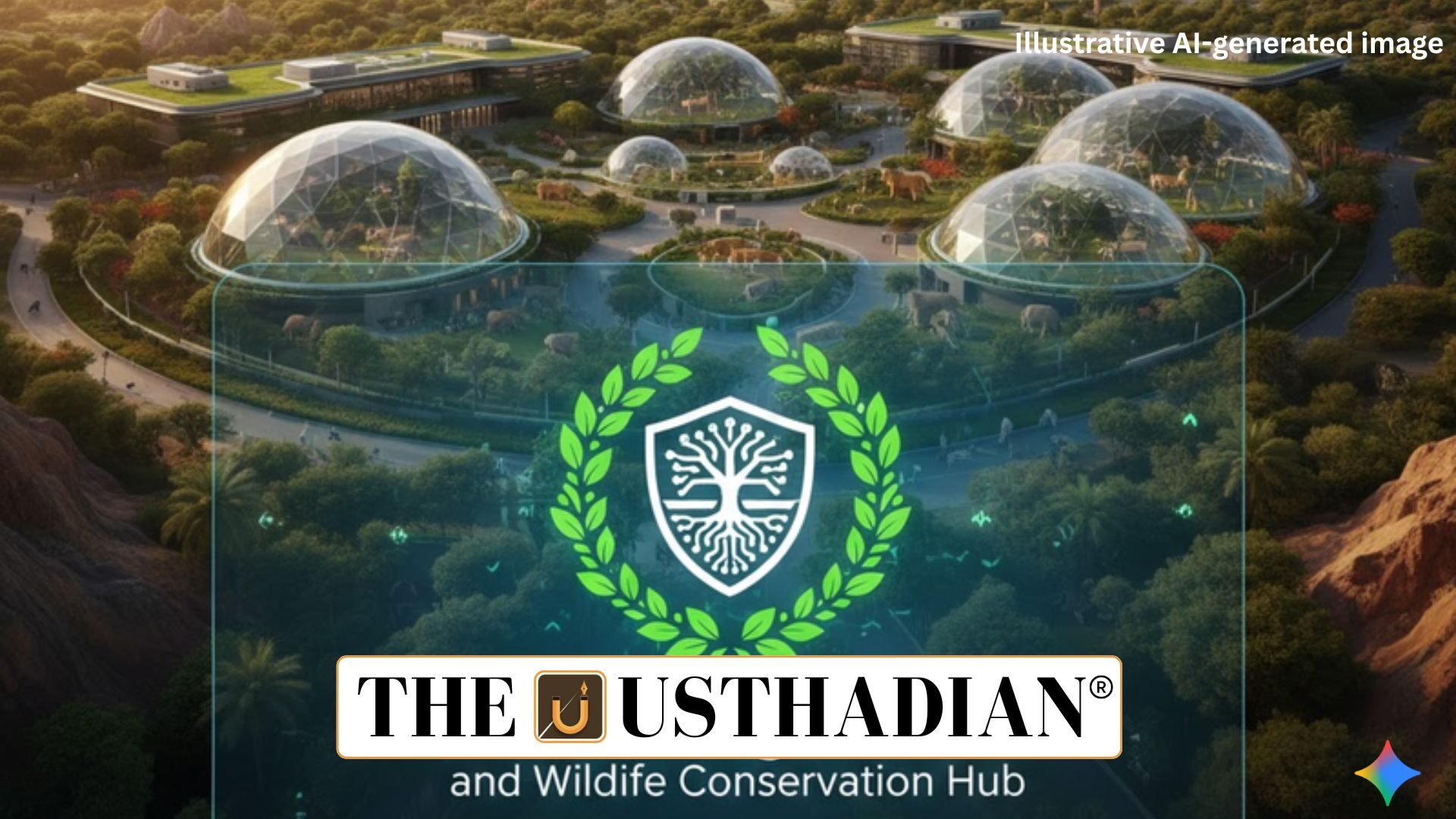
Strategic wildlife project in Rajasthan
Alwar Biological Park and Wildlife Conservation Hub: Rajasthan’s Alwar district is set to emerge as a major wildlife and conservation hub with the development of a large biological park in the Kati Ghati–Jaisamand region. The project integrates tourism, conservation, and scientific animal care within a single institutional ecosystem.
It is designed as the first large-scale biological park in the National Capital Region (NCR) region. This initiative aligns with India’s broader shift towards eco-tourism infrastructure and biodiversity protection models.
Location and ecological planning
The park will be developed across nearly 100 hectares of land. About 30% of the area will function as managed zoological space, while 70% will remain preserved as green ecological landscape.
This land-use model supports habitat simulation rather than enclosure-based captivity.
Static GK fact: India follows the Zoo Authority of India (ZAI) ecological design principles for zoological parks.
Biodiversity scale and species diversity
The park will host over 400 wild animals representing 81 wildlife species. This includes lions, tigers, cheetahs, giraffes, herbivores, and endemic Indian fauna.
The inclusion of African giraffes adds a unique international conservation and display dimension.
Static GK Tip: India follows Central Zoo Authority (CZA) transfer protocols for inter-zoo animal relocation.
Integrated safari model
The project introduces multi-safari integration within a single location. Visitors will access lion safaris, tiger safaris, and herbivore safaris in one continuous park system.
This creates a high-density wildlife tourism model without ecological fragmentation. Such integrated safari zones are rare in NCR-adjacent regions.
Advanced animal rescue infrastructure
A high-tech animal rescue centre will be established within the park campus. It is being developed on the Gir National Park rescue model.
Forest officials have studied Gir’s community rescue systems, veterinary protocols, and wildlife rehabilitation structures.
Static GK fact: Gir Forest National Park is the only natural habitat of Asiatic lions in the world.
Modern veterinary ecosystem
A fully equipped veterinary hospital will operate within the biological park. It will provide wildlife surgery, trauma care, disease management, and rehabilitation services.
A dedicated team of wildlife veterinarians, forest officers, and technical staff will manage operations.
Static GK Tip: Wildlife veterinary systems in India operate under Wildlife Protection Act, 1972 guidelines.
Education and ecological awareness
The project includes a dedicated butterfly park zone. This supports pollination education, biodiversity awareness, and ecological learning.
Butterfly parks serve as indicators of ecosystem health and climate resilience.
Static GK fact: Butterflies are classified as bio-indicator species.
National animal transfer network
Animals will be sourced from 25 zoological parks across India. Transfers will follow scientific screening, quarantine protocols, and phased relocation planning.
This strengthens inter-zoo conservation coordination nationally.
Governance and approval process
The project awaits clearance from the Union Ministry of Environment, Forest and Climate Change. A Detailed Project Report (DPR) has already been prepared by the Rajasthan Forest Department.
Post-clearance, phased infrastructure development will begin.
Tourism and conservation synergy
The park strengthens eco-tourism, conservation economics, biodiversity education, and regional development. It positions Alwar as a strategic wildlife tourism node in northern India.
Static GK Tip: Rajasthan already hosts major reserves like Sariska Tiger Reserve and Ranthambore National Park.
Static Usthadian Current Affairs Table
Alwar Biological Park and Wildlife Conservation Hub:
| Topic | Detail |
| Project Name | Alwar Biological Park |
| Location | Kati Ghati–Jaisamand region, Alwar district |
| Area | Nearly 100 hectares |
| Species Count | 81 wildlife species |
| Animal Population | Over 400 animals |
| Safari Types | Lion safari, tiger safari, herbivore safari |
| Rescue Centre Model | Gir National Park model |
| Veterinary Facility | Modern wildlife hospital |
| Special Zone | Butterfly park |
| Approval Authority | Union Ministry of Environment, Forest and Climate Change |
| Strategic Impact | Tourism growth and biodiversity conservation |
| Regional Importance | First major biological park in NCR region |